Categories
News VANGUARD

Horizon’s project VANGUARD concludes highlighting social science contributions to tackling human trafficking

The Horizon Europe project VANGUARD (adVANced technoloGical solutions coupled with societal-oriented Understanding and AwaReness for Disrupting trafficking in human beings) concluded on 19 October with a final conference. The Euro-Arab Foundation, a member of the project consortium, was represented by its researcher Karen Latricia Hough, who has worked on VANGUARD throughout its three years.

The event took place at the Center for Security Studies (KEMEA) in Athens Greece with key experts and professionals in the field of human trafficking for a high-level conference and roundtable discussion. It provided a platform for knowledge exchange, interdisciplinary dialogue, and collaboration among experts committed to strengthening the understanding of human trafficking and identifying approaches to address this complex and multifaceted phenomenon.

A key highlight of the conference was the expert panel, ‘Human trafficking through a social scientific lens: from understanding to action’ moderated by Karen Hough from the Euro-Arab Foundation. The discussion explored the importance of applying social scientific perspectives to the study of human trafficking, highlighting the value of research, evidence-based approaches, and collaboration in informing effective responses.

The roundtable that followed brought together expertise from across the field, encouraging participants to reflect on the challenges associated with human trafficking and the importance of translating knowledge and research into practical action. Through open discussion and the exchange of professional insights, participants contributed to a broader dialogue on how multidisciplinary cooperation can support efforts to prevent and address human trafficking.

The final conference marked an important milestone for the VANGUARD project, providing an opportunity to share knowledge, consolidate discussions, and reinforce the importance of cooperation among researchers, practitioners, survivors, policy makers, LEAs, technological experts and other stakeholders working to combat human trafficking.
Categories
News Projects victory

VicTory Concludes: A Project That Placed Victims of Hate and Extremism at Its Heart

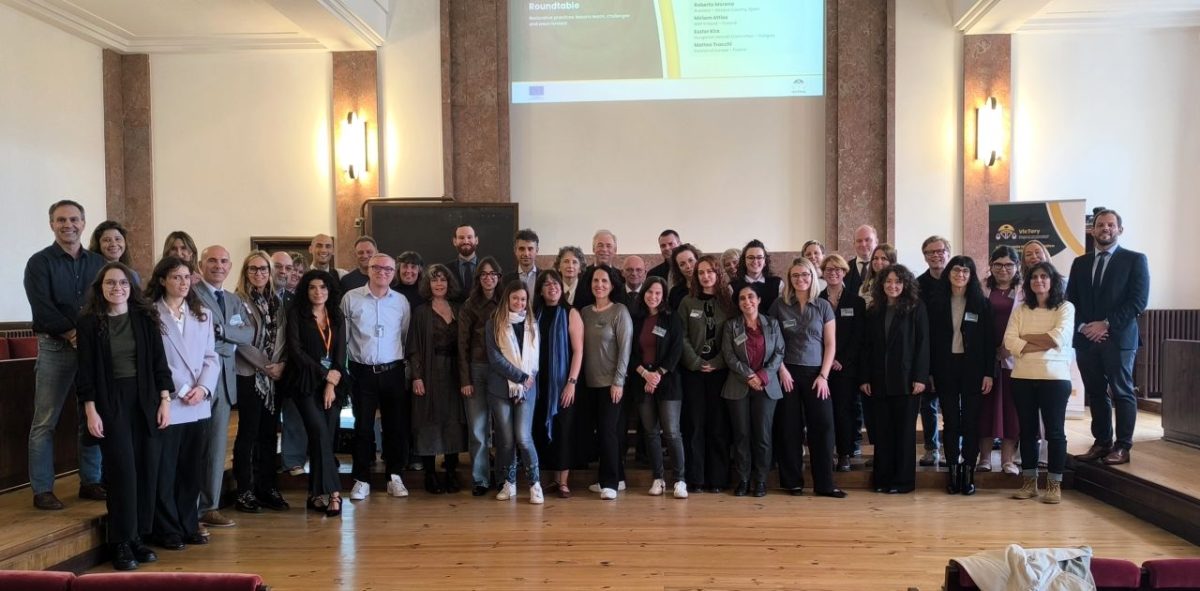
The Euro-Arab Foundation, coordinator of the VicTory project, took part in the final conference held on 22 October at the Faculty of Law of the University of Porto (FDUP) in Portugal, which marks the close of this European initiative. Over two years, VicTory has worked to change the way hate and extremism are addressed, placing at the centre those affected, whether directly or indirectly, and promoting a restorative, victim-centred approach.

The Foundation was represented by Daniel F. Pérez Garcia, research and projects coordinator, and Rascha Albaba Acosta, projects and research manager, both members of the VicTory team. Pérez took part in the consortium’s welcome and in the closing session, while Albaba presented Session I, dedicated to the victim-centred approach to hate and extremism: the project’s methodology, what was found and the experiences gathered. The session included a discussion panel with representatives of the European Forum for Restorative Justice, V Europe and Victim Support Europe.

The event brought together consortium partners, experts and professionals from across Europe, and opened with a keynote speech by Carolina Gómez of the Spanish Ministry of the Interior on the importance of European and international cooperation in supporting victims of terrorism. Throughout the day, the project’s main results were presented, including the training approach and its trained and certified participants in Italy, Finland, Hungary, Portugal and Spain, and the role of restorative justice as a response to hate and extremism was discussed.

The following day, Friday 23 October, the consortium held its final meeting, which addressed the project’s main results and the strategies for transferring and sustaining the training and awareness-raising programmes.

Main results

The VicTory research, which involved 196 professionals, found that only 3.2% consider the current legal provisions on victims’ rights to be highly effective. Professionals and victims agree on the need for more specialised training, better coordination between institutions, and clear and accessible information. Restorative justice is a priority need for 42.9% of victims, yet it is one of the forms of support least often offered.

In response, VicTory has produced a handbook of good practices and a training approach comprising two online courses, available in five languages, and three in-person events in Brescia, Budapest and Helsinki. Trained and certified participants in Italy, Finland, Hungary, Portugal and Spain raised their scores from 72% to 83%, and 96% of those who attended the in-person events believe that what they learnt will improve their work. The courses will remain open and free of charge after the project ends.

In the discussion on restorative justice, 87.3% of the professionals consulted supported it as a complement to formal justice, always with safeguards and specific training.

VicTory’s legacy in Spain, with the Euro-Arab Foundation

VicTory has been carried out by a consortium made up of the Euro-Arab Foundation, IPS (Innovative Prison Systems), the Faculty of Law of the University of Porto, the Ararteko (Ombudsman of the Basque Country), Associazione Carcere e Territorio, ILGA Portugal, MAP Finland and the Hungarian Helsinki Committee, and has been co-funded by the European Union.

In this context, the Euro-Arab Foundation has disseminated the VicTory Inclusive Digital Repository, which centralises knowledge on the support of victims of hate crime and extremism. In addition, on Tuesday 19 May 2026, the Historical Archive of the Basque Country, home to the Gogora Memorial Centre in Bilbao, hosted the event “Victim-centred justice and its contribution to coexistence in the Basque Country: experiences from the VicTory Project”. Furthermore, on Tuesday 4 March 2025, the seminar “Women and Restorative Justice: reparation from a gender perspective” was held in Granada, organised by the Euro-Arab Foundation in collaboration with the Ararteko, the Ombudsman of the Basque Country.

More information at www.victoryproject.eu.

Categories
News

28th FIMAM Meeting: Forum of Researchers on the Arab and Muslim World

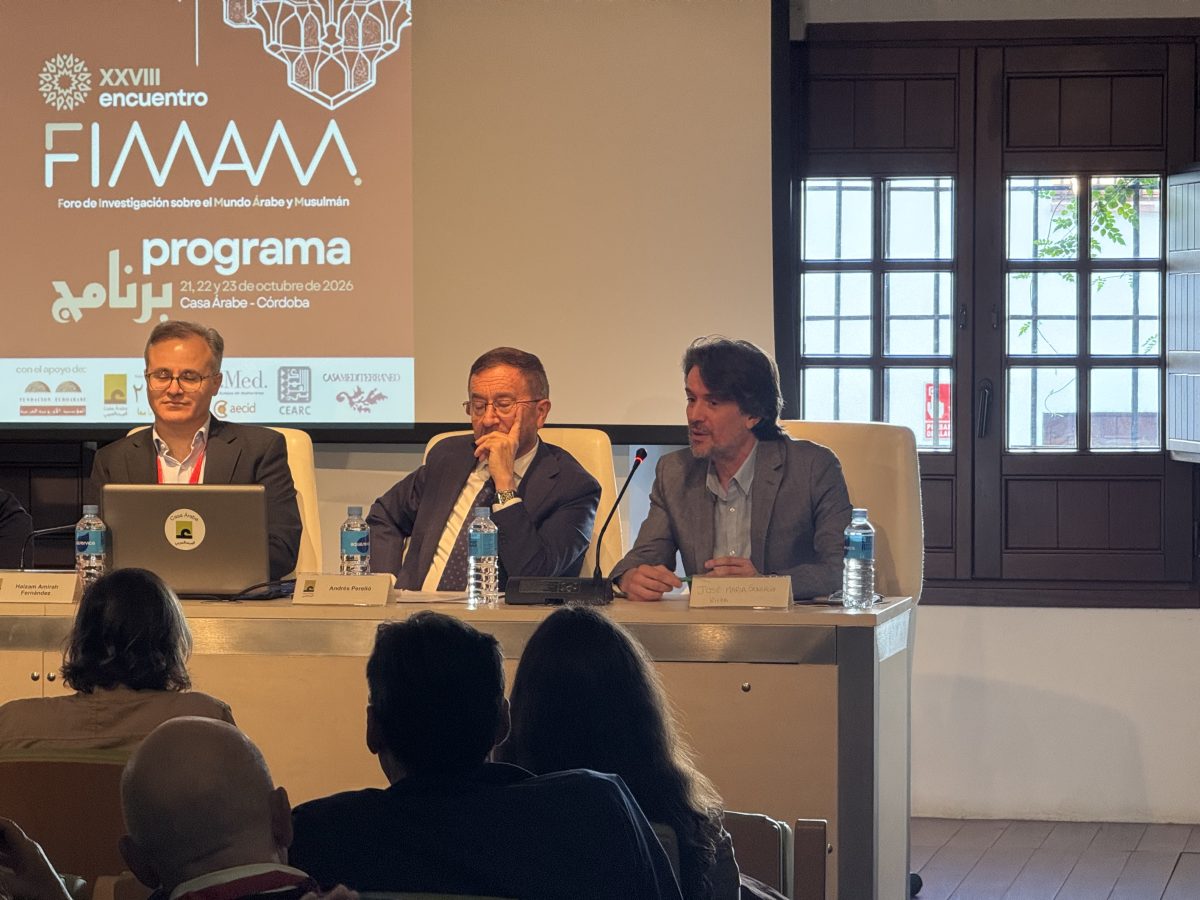
The Euro-Arab Foundation took part in the XXVIII FIMAM Meeting (Forum of Researchers on the Arab and Muslim World), held on 21, 22 and 23 October at Casa Árabe in Córdoba, with the support of the Foundation itself, together with Casa Árabe, IEMed, AECID, CEARC and Casa Mediterráneo.

The Foundation was represented by its Deputy Director of Projects, José María González Riera, who took part in the opening session and also presented the paper “The IER between Truth and Silences: Achievements and Limits of Transitional Justice in Morocco”. His contribution was part of the panel Transitional Justice, Memory and Reparation, held on Wednesday 21, which addressed reparation and the memory of human rights violations in different contexts of the Arab world.

Every year, FIMAM brings together researchers from different disciplines and countries to share research findings and discuss the Arab and Muslim world. This edition included dozens of panels on topics such as migration and diasporas, gender, foreign policy and regional dynamics, and political economy and the media.

Categories
News VIRTUOUS en

VIRTUOUS holds public innovation laboratories in Budapest to protect places of worship

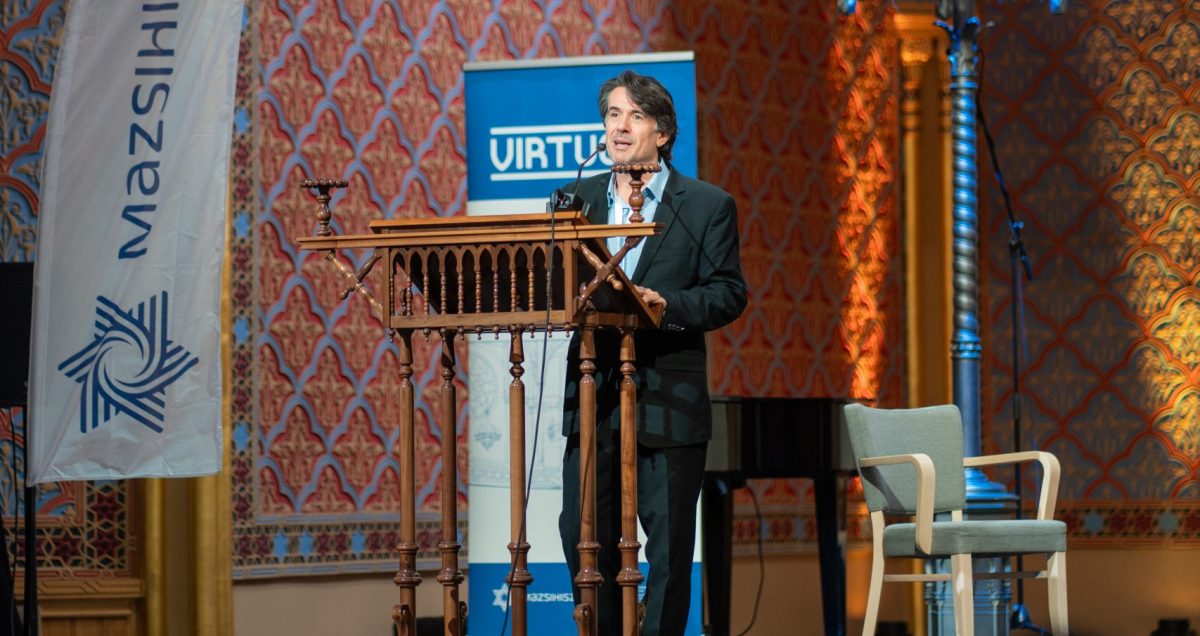
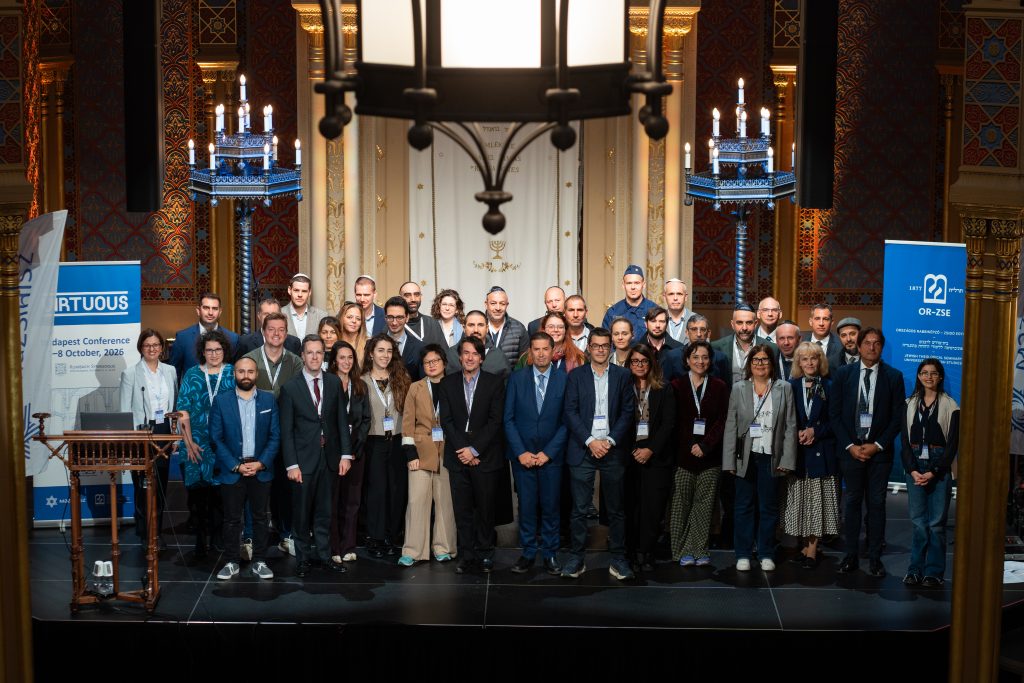
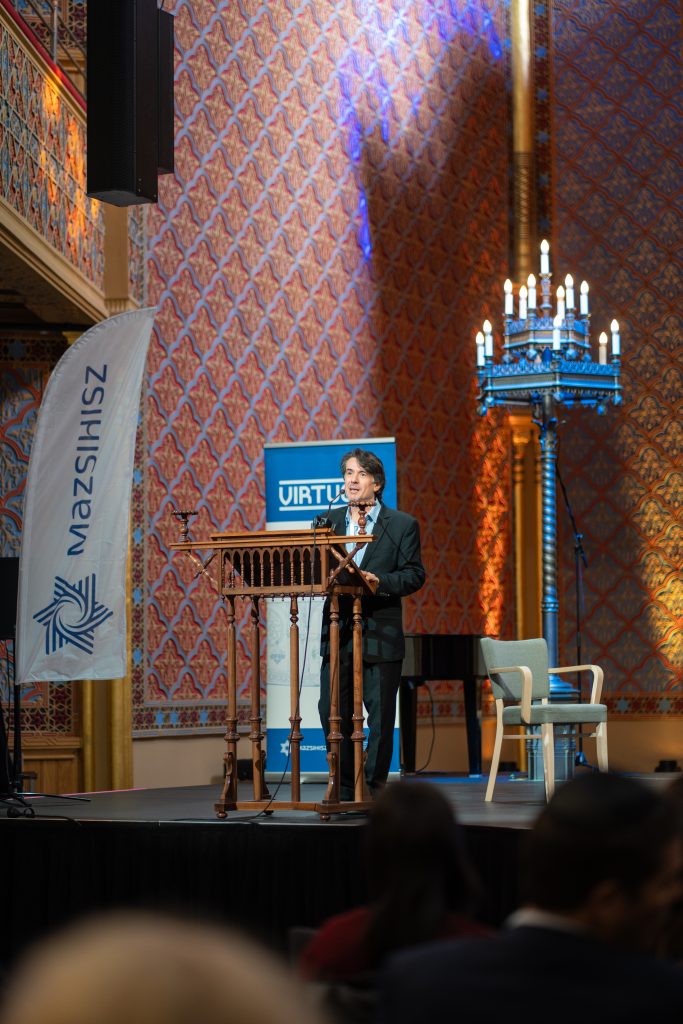
On 7 October, José María González Riera, Deputy Director of the Research and Projects Department at the Euro-Arab Foundation, presented the main findings of the study on attacks against places of worship carried out within the VIRTUOUS project. Two comprehensive quantitative and qualitative analyses identified the patterns observed between 1980 and 2025, current trends and potential future risks. The results, coordinated and supervised by the Euro-Arab Foundation, were presented at the official opening of the VIRTUOUS conference in Budapest, in the presence of senior representatives of the Hungarian government, members of the Hungarian academic community and representatives of the United Nations.

The Euro-Arab Foundation shared the most relevant and recurrent findings of the research conducted by the VIRTUOUS consortium, which brings together 21 organisations from 11 countries. The analyses supervised by González Riera for Christian, Jewish and Muslim communities provided the basis for applying the Building Information Modelling (BIM) system to the protection of places of worship. This approach relies on a collaborative methodology that preserves the spatial openness of these sites and respects their primary functions, while integrating up-to-date security measures into the building.

“Although case study analyses have been carried out for each religious community, the commonalities detected are cross-cutting, and the adaptation is made according to the characteristics and resources of each place of worship.” José María González Riera, The Euro-Arab Foundation

Ignacio Ibáñez, Head of the United Nations Office of Counter-Terrorism in Spain, endorsed the assessment presented by the Foundation. He underlined the importance of sustained cooperation among public authorities, institutions, security forces and religious communities to ensure effective prevention of risk situations. Ibáñez also highlighted the role of cybersecurity, noting that data breaches affecting worshippers can expose their identities and make them potential targets of attacks.

“Maintaining a relationship with communities is not only about communicating when there is a risk situation, but also about asking communities what they need and informing them of how they can be helped.” Ignacio Ibáñez, United Nations

Public innovation laboratories

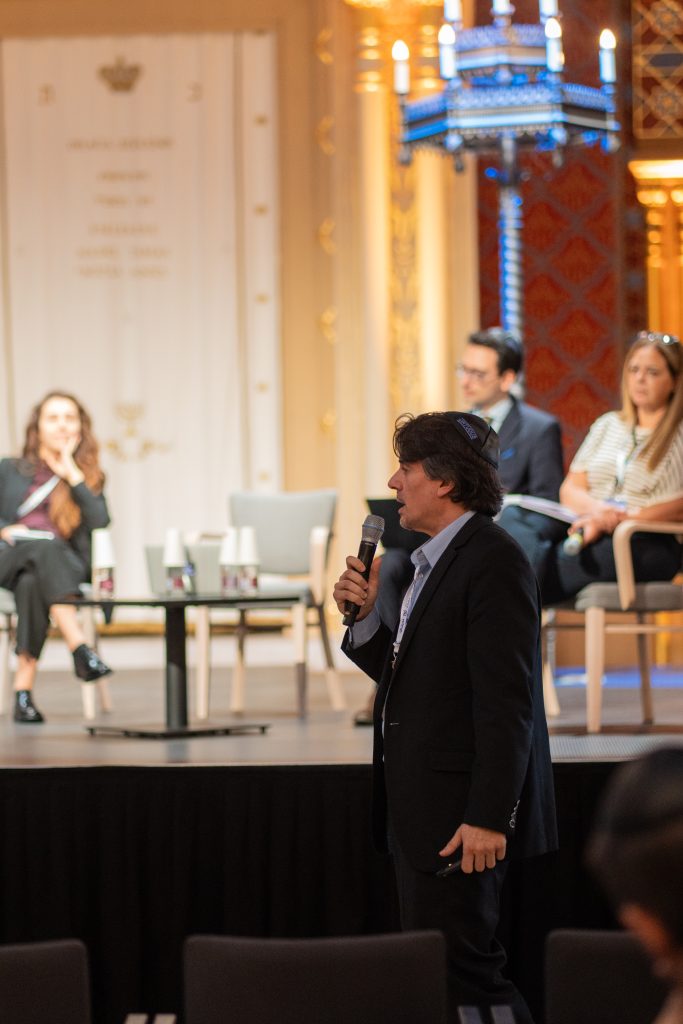
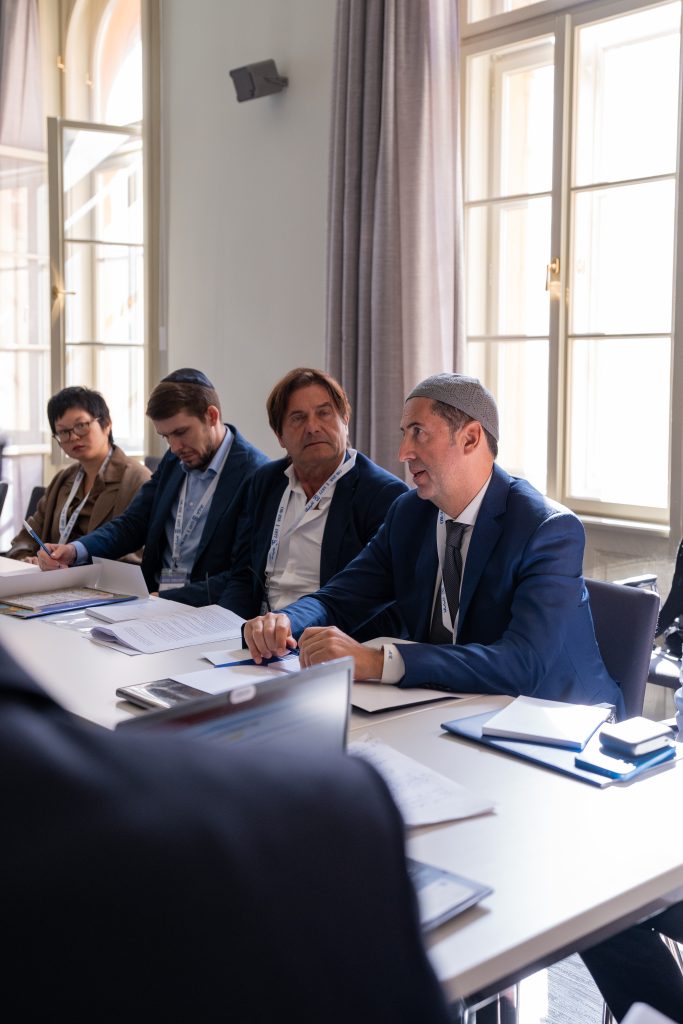
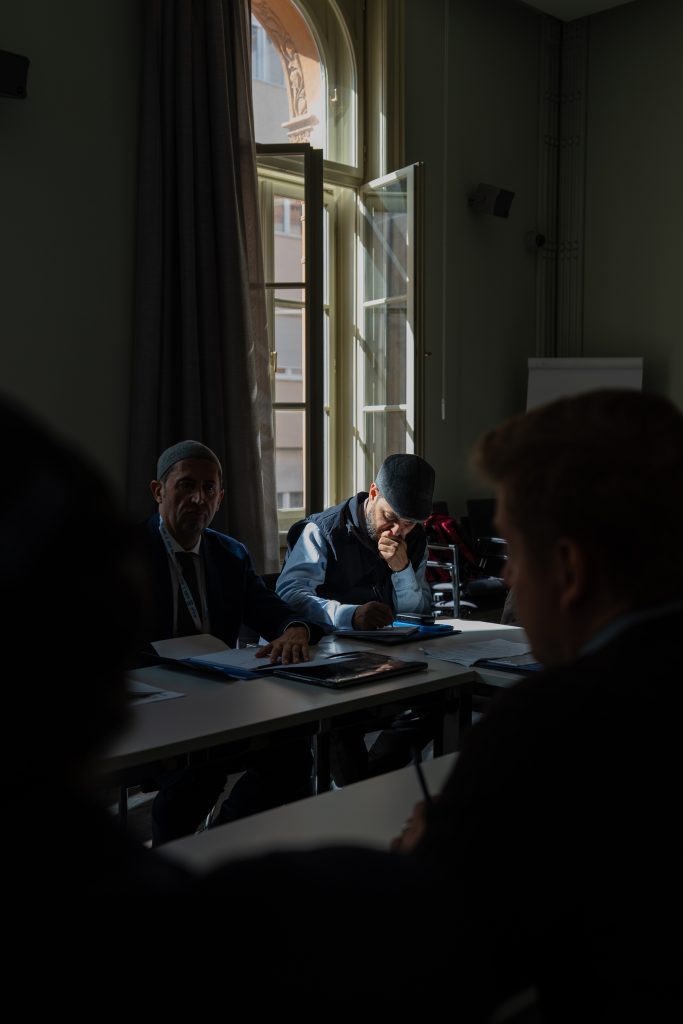
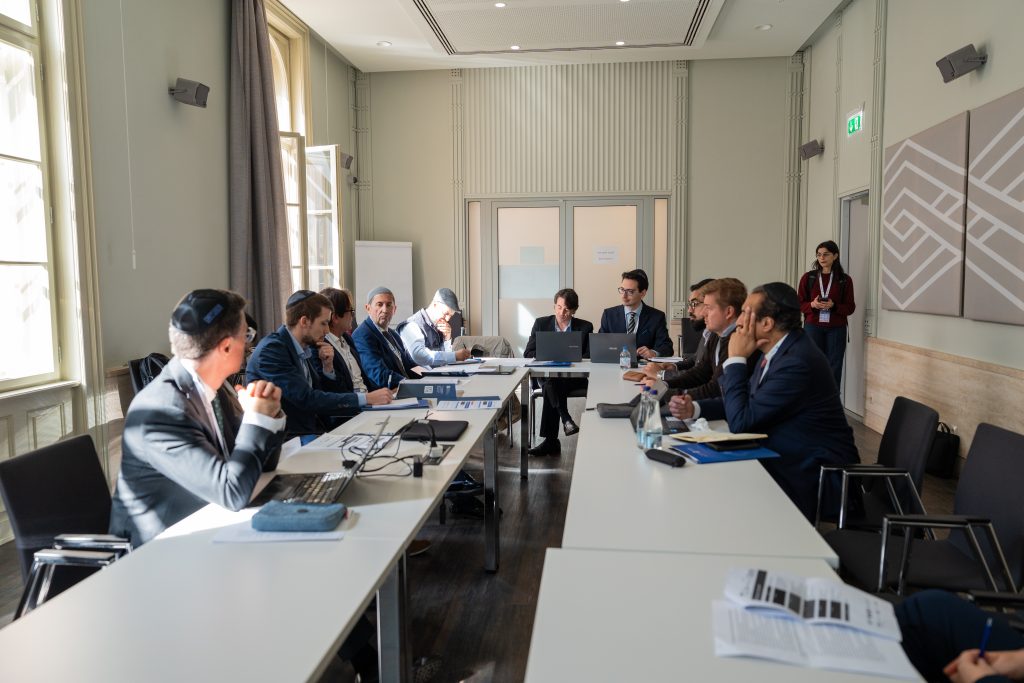
During the Budapest conference, the Euro-Arab Foundation facilitated the second session of the public innovation laboratory with Muslim communities. The first part examined potential threats to places of worship in greater depth, while the second focused on lessons learned and on strategies for preparing for crisis and emergency situations.

Representatives of the United Nations and the Hungarian government took part in the session and put forward possible avenues for institutional support to these communities. In the joint session with Christian, Jewish and Muslim communities, the contributions of religious leaders were compared and discussed. They were followed by the perspective of law enforcement, with participation from the Budapest Police and the Cyprus Police, as well as experts in technological security measures.

Debate and Future lines of research

Experts and law enforcement representatives raised key questions, including where to draw the line between prevention and racial profiling when reporting suspects, and how to measure the effectiveness of prevention when its success is defined by the absence of attacks. These questions open new lines of research for the project.

In the final panel discussion, the Euro-Arab Foundation and the other consortium partners responsible for the public innovation laboratories with Christian and Jewish communities shared the new questions that emerged during the sessions, with a view to examining them further. According to González Riera, the main issues included the tendency of some Muslim communities to keep a low profile in order not to stand out from their surroundings and thereby avoid becoming a target, the type of buildings, which makes them harder to protect, and the lack of institutional recognition of certain sites as places of worship in some European countries.

The closing session concluded that dialogue is one of the founding values of the European Union, and that security is not an exact science: it has psychological dimensions and is a complex matter shaped by many factors. In this context, establishing institutional processes that address specific situations and are sustained over time is essential.

Categories
EUKH EN News Projects RADICALIZACION EN

Training Frontline Professionals in the Prevention of Radicalisation among Children and Young People

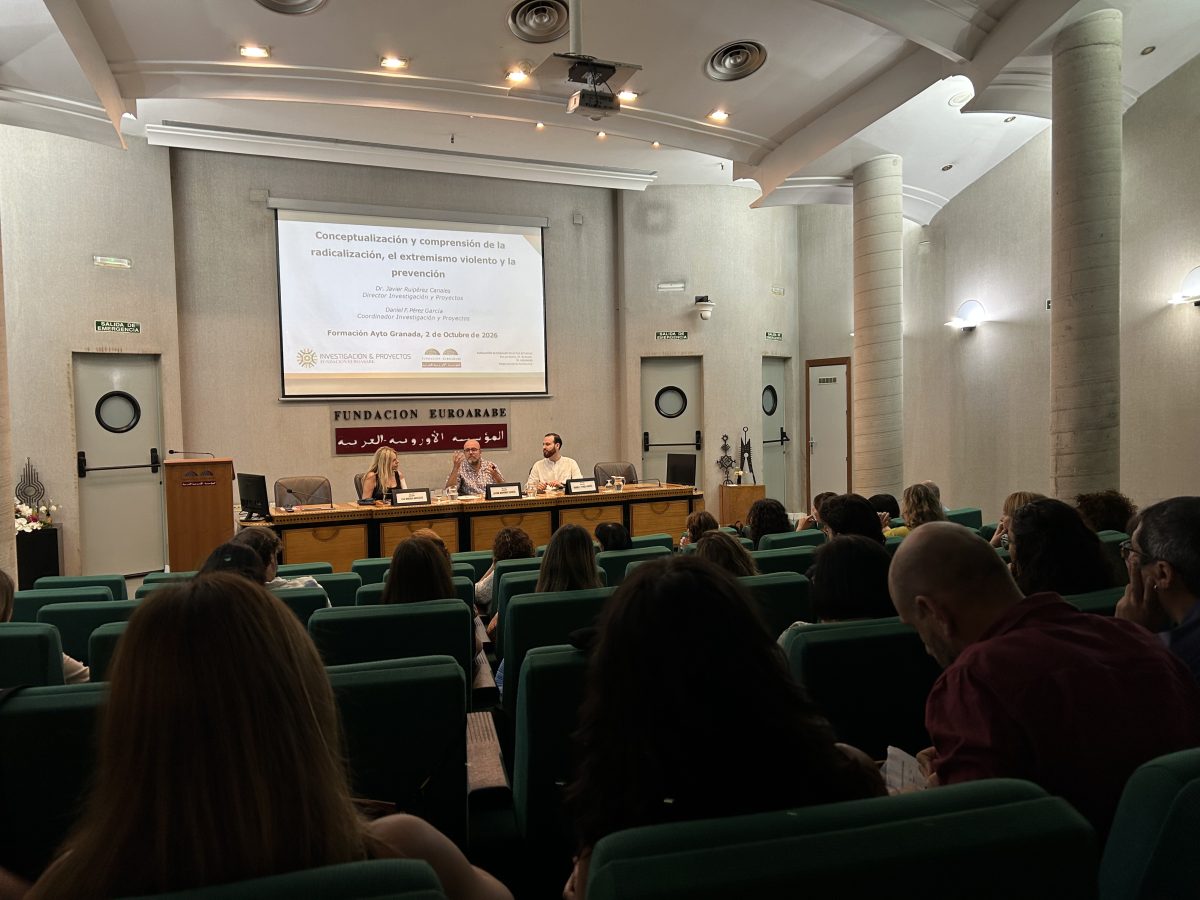
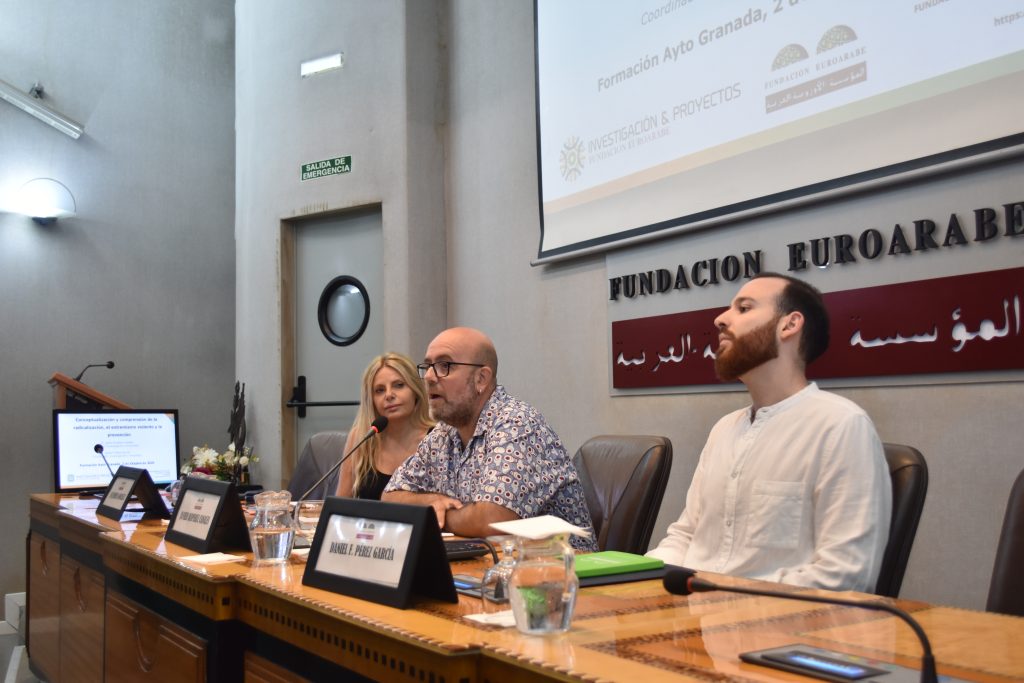
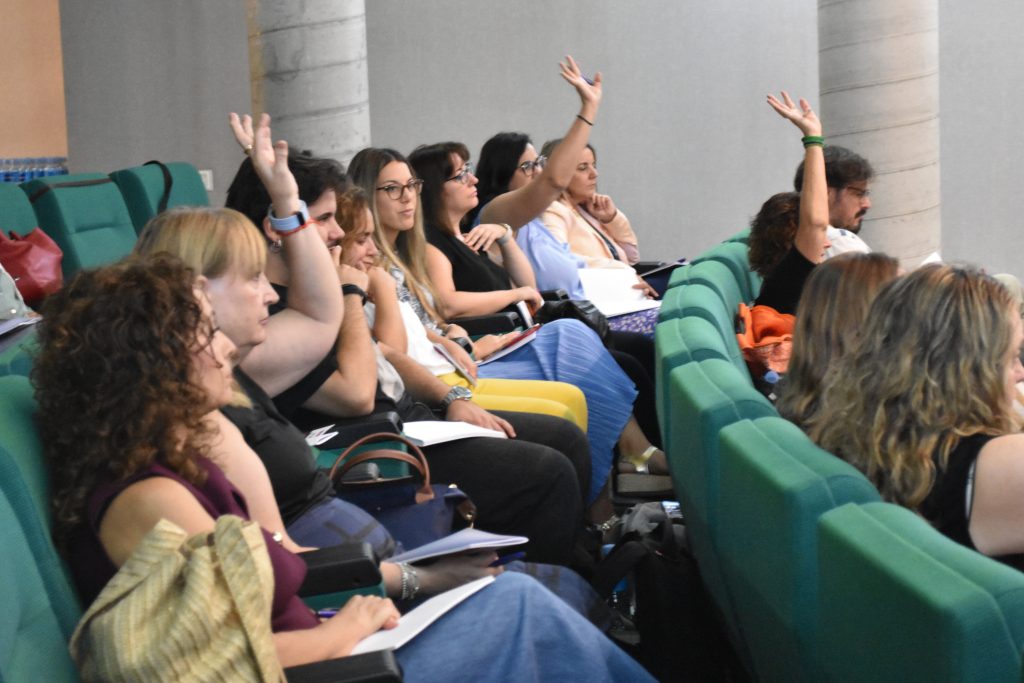
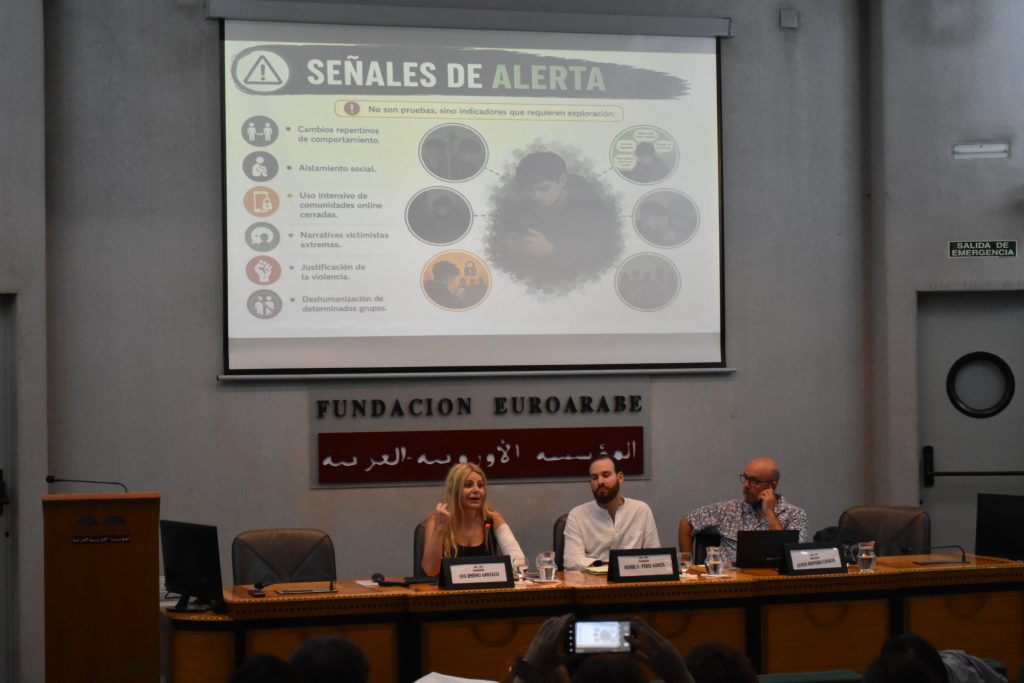
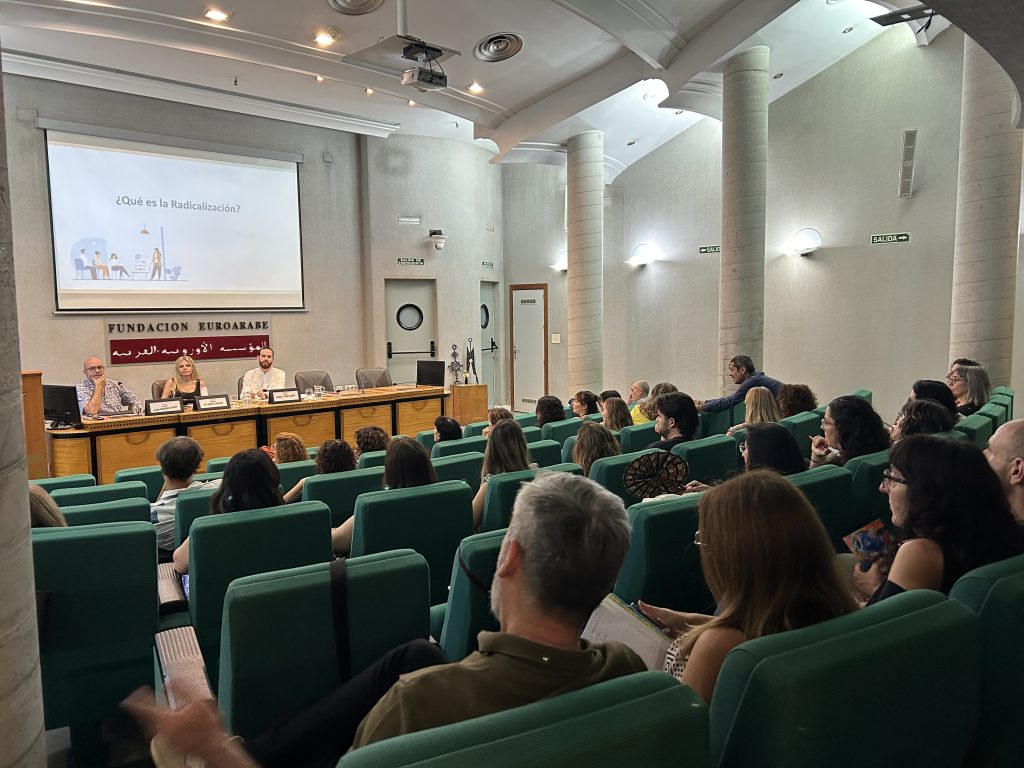
The Euro-Arab Foundation held this Friday the in-person phase of the second group of its Training Course on the Prevention of Radicalisation. The course is aimed at professionals of the Granada City Council who work with children and young people, as well as with groups vulnerable to the risk factors of radicalisation and violent extremism.

The initiative responds to growing processes of social polarisation and the rise of violent extremist groups of various kinds. In this context, the radicalisation of children and young people, whether around political ideologies, religious beliefs or other issues, is an increasingly worrying phenomenon. Although there is no single profile of radicalisation, childhood and adolescence are stages of particular vulnerability to recruitment or indoctrination. For that very reason, they are also the ideal time to build barriers that protect against these risks, and frontline professionals play a decisive role in this.

The course, developed from the ARMOUR project and based on empirical research and prevention practice, gives participants useful tools to incorporate prevention into their everyday work. The project has studied and developed seven sets of skills and competences capable of generating and consolidating protective factors and resilience. To work on them, workshops known as experiential labs have been designed, tested and validated, which professionals will be able to run with children and young people once they have completed the training.

A two-phase training programme

The 30-hour training is blended, with an in-person phase covering three blocks: radicalisation and violent extremism (concepts, risk and protective factors, explanatory models); the prevention of radicalisation (plans and strategies, multilevel and multi-agency approach, resilience-building programmes); and the identification of radicalisation processes (characteristics of radicalisation among minors, indicators and warning signs, with practical work on case studies).

This is followed by a second, online phase on the Euro-Arab Foundation’s virtual classroom, focused on intervention models with minors, psychosocial preventive approaches, the development of individual, psychosocial and institutional competences, resilience-building methodologies, and the design of workshops for working with children and young people.

A teaching team with experience in preventing radicalisation

The training was delivered by Javier Ruipérez Canales, Director of the Projects and Research Department at the Euro-Arab Foundation, where he is also Principal Investigator in the area of Prevention of Radicalisation and Violent Extremism. He is also Director of Strategic Communication of the European Commission’s EU Knowledge Hub on Prevention of Radicalisation.

He was joined by Daniel F. Pérez García, researcher and project coordinator at the Foundation. His work focuses on research and on coordinating teams of EU-funded projects in the field of preventing radicalisation and violent extremism. He is also a researcher and strategic communication expert at the EU Knowledge Hub on Prevention of Radicalisation.

The team is completed by Eva Jiménez González, PhD in Psychology and forensic psychologist, with extensive international experience in the field of radicalisation and terrorism. She is a European Union Team Leader and Senior Key Expert on Radicalisation and Terrorism for the European Commission, the Council of Europe and the United Nations.

Categories
VANGUARD VANGUARD

The Euro-Arab Foundation leads the awareness-raising and dissemination campaign for the video game ‘Red Flag’

The Euro-Arab Foundation leads the awareness-raising and dissemination campaign for the video game ‘Red Flag‘, designing a key action to strengthen its educational impact and its level of socio-community outreach among young people and adolescents, as potential victims of human trafficking networks, both online and offline. To this end, the Foundation collaborates with psychologist Isabel Duque, a professional who works with the virtual codes and interactive languages used in the digital spaces that minors engage with on a daily basis.

The campaign design began at the start of the year and concluded at the end of September. It consisted of identifying candidate profiles and assessing them against rigorous suitability criteria, given the high sensitivity of the subject matter and of the target audience: minors and their closest support networks. The criteria included a significant social media presence, assessed not only by number of followers but also by the size and characteristics of their digital communities, that is, by the profile of the users who trust the judgement of the person disseminating the content. In addition, profiles were required to focus their content on social justice (given the subject of human trafficking), a gender perspective (as the ‘lover boy’ method targets, and its victims are, women and girls), and the education of minors, as this is a free public-service action.

Following several months of outreach to a range of professionals, always under the coordination and supervision of the Euro-Arab Foundation, and in partnership with the German association specialised in combating human trafficking, Gemeinsam gegen Menschenhandel e.V. (GGMH), the first design phase of the prevention campaign for adolescents concluded when Isabel Duque, a psychologist better known as ‘La Psicowoman‘, agreed to collaborate with the Foundation. Ms Duque has a professional career spanning more than two decades, delivering lectures, facilitating workshops and maintaining a proactive online presence across several digital platforms, including TikTok and Instagram, which are widely used by adolescents. She is also the author of several books on emotional education and prevention, and focuses her work on in-person sessions delivered in schools and secondary education centres throughout Spain.

Finally, as a reinforcement of the ‘Red Flag’ campaign, a serious game against the recruitment of minors on social media and in their everyday lives, which remains ongoing, the collaboration with Isabel Duque took place on Monday 28 and Wednesday 30 October. It achieved more than 200 likes and over 9,200 views within three days (a figure that continues to grow), with a potential reach of nearly 82,000 followers.

Categories
data quality en News Projects

DATA EQUALITY Final Event: “Closing the Gap on Algorithmic Discrimination”

On 23 September, the final event of DATA EQUALITY took place in Athens. It brought together the project consortium, of which the Euro-Arab Foundation has been a member, along with representatives of the judiciary, law enforcement, public administrations, academia and civil society. They met to discuss how data-driven and artificial intelligence tools can be used while protecting fundamental rights and equality. The Foundation was represented by researcher Paula Cano.

The event opened with institutional greetings from Beatrice Sperotto, representing the Court of Appeal of Venice, and continued with a session on data equality, fundamental rights and European challenges. The discussions addressed fair trial and equality of arms in data-based proceedings, procedural risks in data collection and analysis (including the Europol case), and data fragmentation as a possible source of discrimination in the context of the EU Framework Decisions on judicial cooperation. The second session presented the project’s main results, including lessons learned from the cascade training activities and an Implicit Association Test (IAT) exercise led by KMOP and Headway, focused on identifying and addressing bias.

The third session focused on practical applications, with contributions from specialists on the legal management of AI-based tools in investigations. It also presented the EU-funded project EXIS, “Empowering police officers to combat discrimination and respond effectively to crimes against LGBTIQ+ people”, which illustrates complementary approaches to tackling discrimination in policing.

The final session was devoted to the future of judicial cooperation in the era of big data and electronic evidence (e-evidence). Experts discussed how to identify and correct algorithmic errors in judicial contexts, including the role of large and small language models. The event closed with a Q&A and concluding remarks on how the project’s results and tools can contribute to future actions in favour of data equality and non-discrimination.


DATA EQUALITY (Digital Data to Identify, Prevent and Combat Intersectional Discrimination in AI-Based “Phygital” Environments) is a project funded by the European Commission under the Citizens, Equality, Rights and Values (CERV) Programme. It began in September 2024, and its aim has been to analyse how data and AI-based tools can both reveal and reproduce discrimination, while supporting professionals in identifying and addressing these risks.

The Euro-Arab Foundation was responsible for assessing, at European level and in the four consortium countries, current methodologies for collecting, managing, analysing and sharing data on discrimination, as well as mechanisms to avoid bias in AI and OSINT tools. To do so, it conducted multiple semi-structured online interviews with law enforcement and civil society professionals, half of them from southern Europe.