Categories
News VIRTUOUS en

VIRTUOUS holds public innovation laboratories in Budapest to protect places of worship

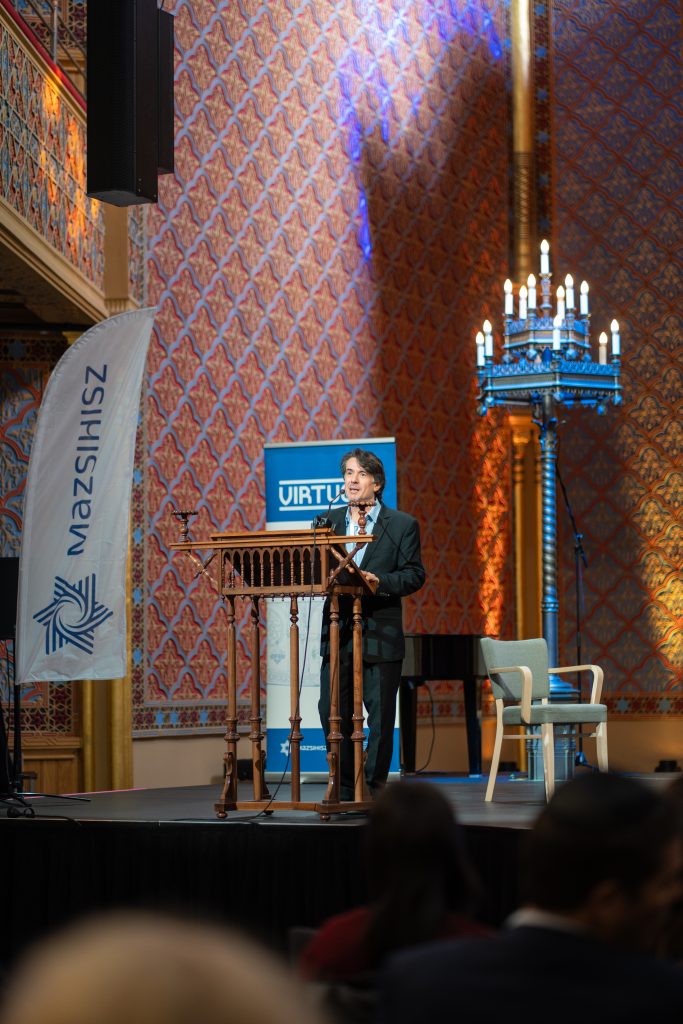
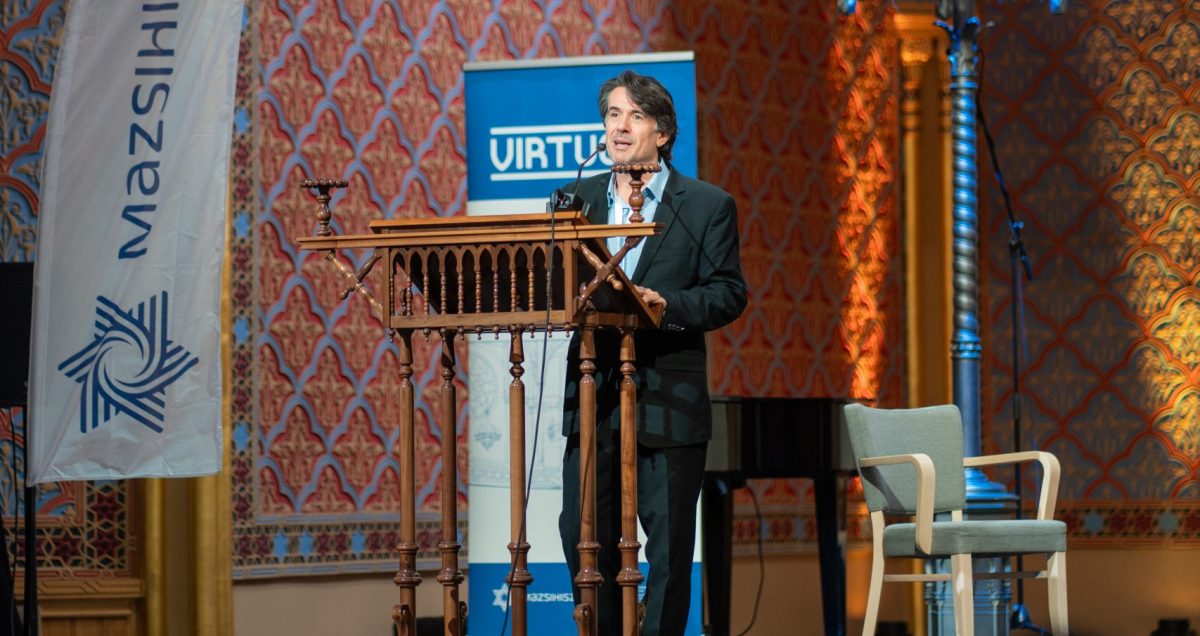
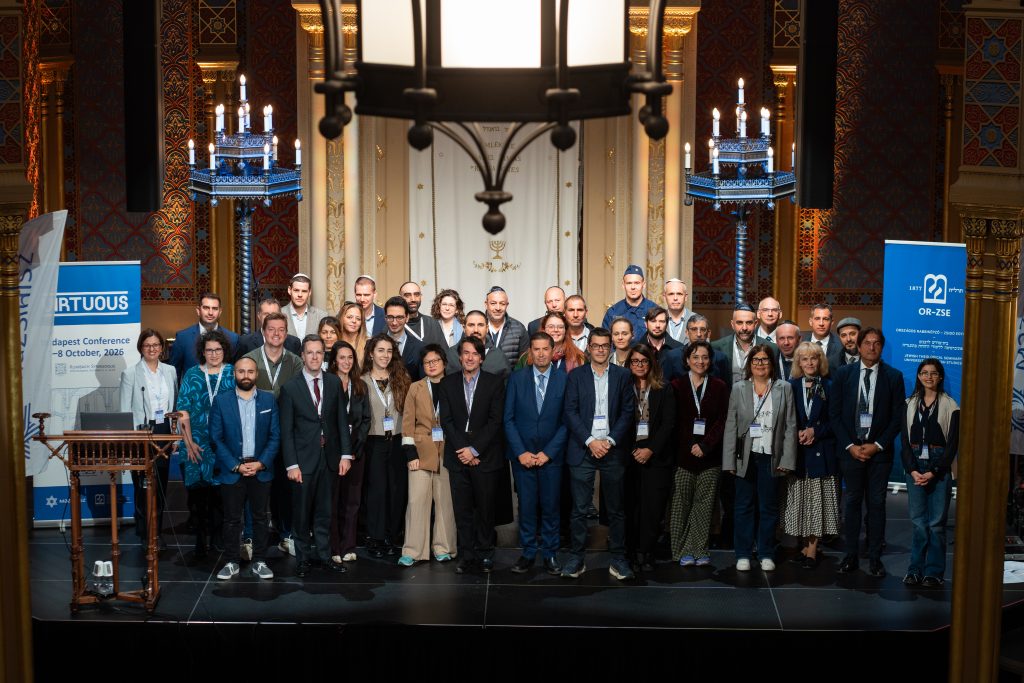
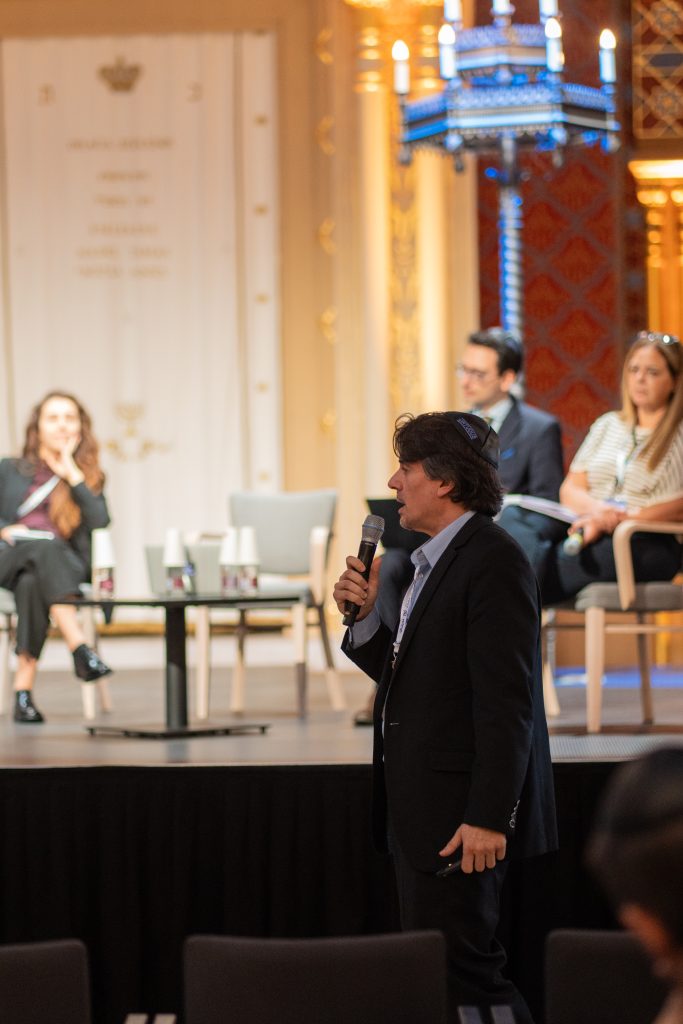
On 7 October, José María González Riera, Deputy Director of the Research and Projects Department at the Euro-Arab Foundation, presented the main findings of the study on attacks against places of worship carried out within the VIRTUOUS project. Two comprehensive quantitative and qualitative analyses identified the patterns observed between 1980 and 2025, current trends and potential future risks. The results, coordinated and supervised by the Euro-Arab Foundation, were presented at the official opening of the VIRTUOUS conference in Budapest, in the presence of senior representatives of the Hungarian government, members of the Hungarian academic community and representatives of the United Nations.

The Euro-Arab Foundation shared the most relevant and recurrent findings of the research conducted by the VIRTUOUS consortium, which brings together 21 organisations from 11 countries. The analyses supervised by González Riera for Christian, Jewish and Muslim communities provided the basis for applying the Building Information Modelling (BIM) system to the protection of places of worship. This approach relies on a collaborative methodology that preserves the spatial openness of these sites and respects their primary functions, while integrating up-to-date security measures into the building.

“Although case study analyses have been carried out for each religious community, the commonalities detected are cross-cutting, and the adaptation is made according to the characteristics and resources of each place of worship.” José María González Riera, The Euro-Arab Foundation

Ignacio Ibáñez, Head of the United Nations Office of Counter-Terrorism in Spain, endorsed the assessment presented by the Foundation. He underlined the importance of sustained cooperation among public authorities, institutions, security forces and religious communities to ensure effective prevention of risk situations. Ibáñez also highlighted the role of cybersecurity, noting that data breaches affecting worshippers can expose their identities and make them potential targets of attacks.

“Maintaining a relationship with communities is not only about communicating when there is a risk situation, but also about asking communities what they need and informing them of how they can be helped.” Ignacio Ibáñez, United Nations

Public innovation laboratories

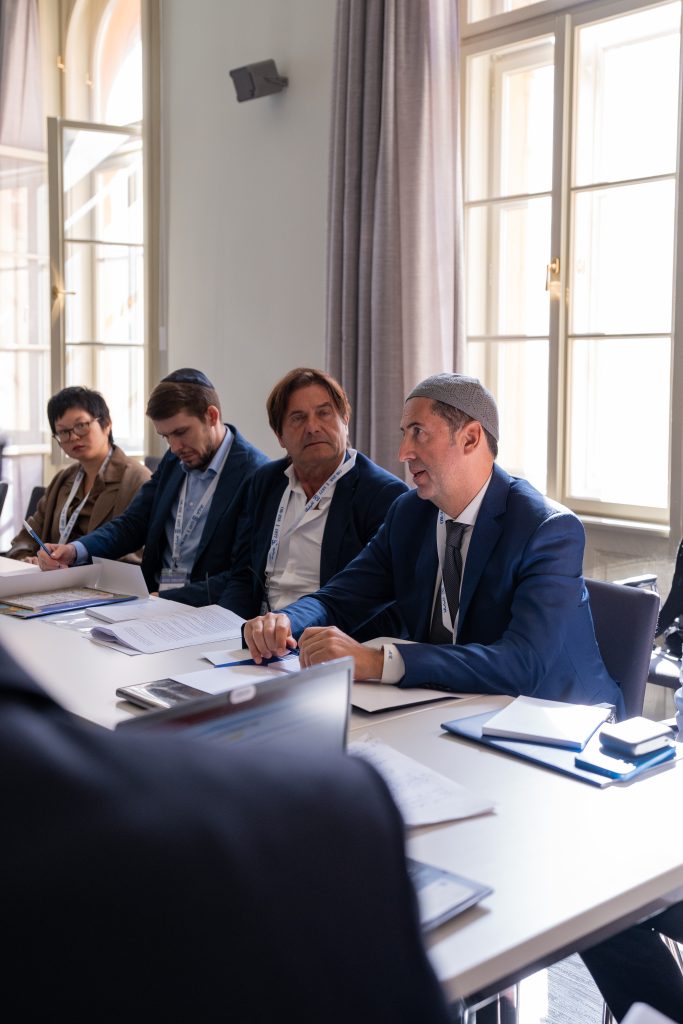
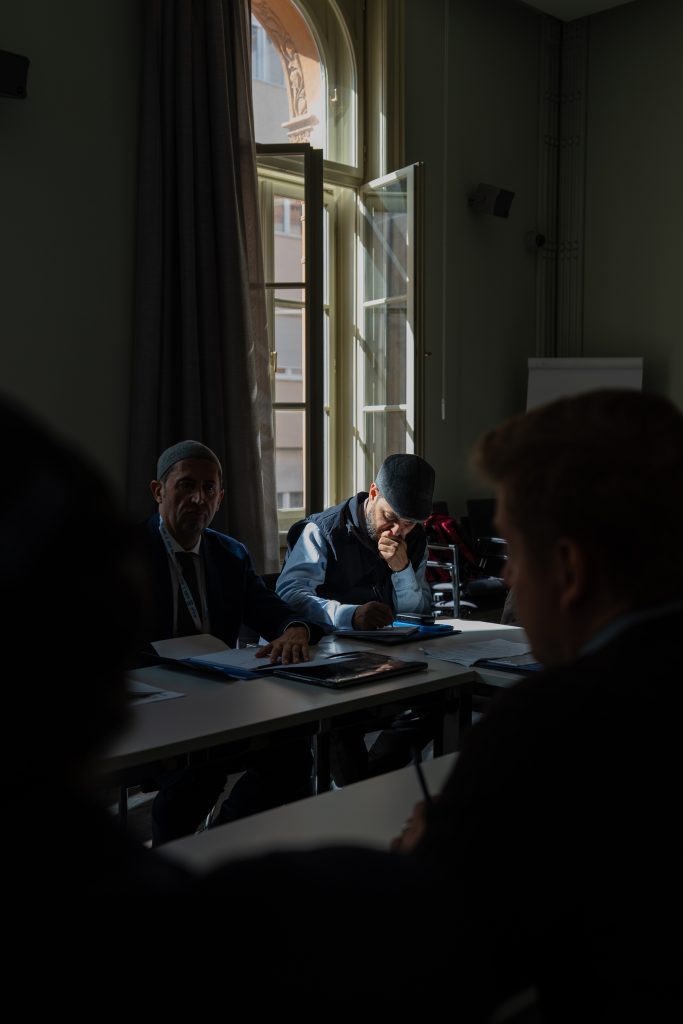
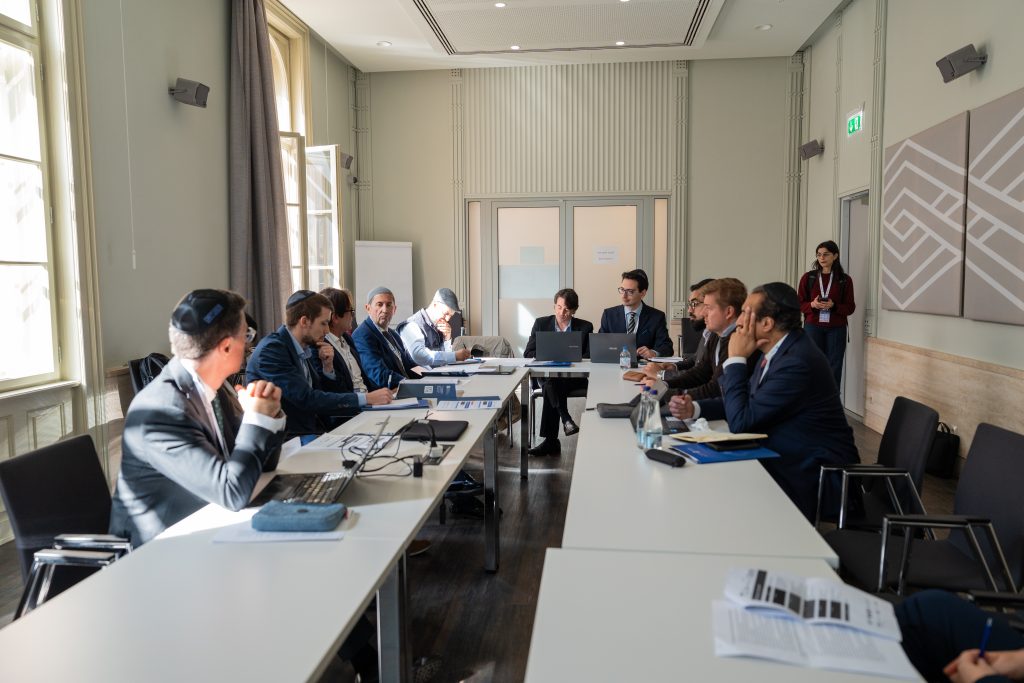
During the Budapest conference, the Euro-Arab Foundation facilitated the second session of the public innovation laboratory with Muslim communities. The first part examined potential threats to places of worship in greater depth, while the second focused on lessons learned and on strategies for preparing for crisis and emergency situations.

Representatives of the United Nations and the Hungarian government took part in the session and put forward possible avenues for institutional support to these communities. In the joint session with Christian, Jewish and Muslim communities, the contributions of religious leaders were compared and discussed. They were followed by the perspective of law enforcement, with participation from the Budapest Police and the Cyprus Police, as well as experts in technological security measures.

Debate and Future lines of research

Experts and law enforcement representatives raised key questions, including where to draw the line between prevention and racial profiling when reporting suspects, and how to measure the effectiveness of prevention when its success is defined by the absence of attacks. These questions open new lines of research for the project.

In the final panel discussion, the Euro-Arab Foundation and the other consortium partners responsible for the public innovation laboratories with Christian and Jewish communities shared the new questions that emerged during the sessions, with a view to examining them further. According to González Riera, the main issues included the tendency of some Muslim communities to keep a low profile in order not to stand out from their surroundings and thereby avoid becoming a target, the type of buildings, which makes them harder to protect, and the lack of institutional recognition of certain sites as places of worship in some European countries.

The closing session concluded that dialogue is one of the founding values of the European Union, and that security is not an exact science: it has psychological dimensions and is a complex matter shaped by many factors. In this context, establishing institutional processes that address specific situations and are sustained over time is essential.
Categories
News Projects VIRTUOUS en

VIRTUOUS launches #PlacesOfWorship micro-learning material for religious communities campaign

The VIRTUOUS project, an EU-funded initiative bringing together 21 partners from 11 countries, has launched #PlacesOfWorshipForAll, a communication campaign developed under the lead of Euro-Arab Foundation for Higher Studies as launched #PlacesOfWorshipForAll, a communication campaign developed within the VIRTUOUS project, an EU-funded initiative bringing together 21 partners from 11 countries.

The campaign combines multidisciplinary expertise, interreligious perspectives, the operational experience of Law Enforcement Agencies, including the Police of Madrid, Murcia and Cyprus, and technological innovations in architectural security developed by Yuppies.

#PlacesOfWorshipForAll brings together 15 stakeholder perspectives in a shared commitment to enhancing the safety and peace of mind of all people of faith through interreligious solidarity and multi-agency collaboration.

The campaign features voices from three religious traditions: Islam, Judaism and Christianity (the latter including Evangelical Christianity, Greek Orthodoxy and Catholicism). The religious communities were represented by Massimo Abdellah Cozzolino, Dr Umar Al-Qadri, Rav Scialom Bahbout, Mr Lazaros Sefiha, Mr Rinalds Grants, Fr Christos A. Mitsiou, Fr Stanisław Stelmaszek and Fr Krzysztof Deja. Drawing on their experience as religious leaders and trusted community representatives, the campaign identifies key security challenges faced by places of worship and provides practical guidance to help religious communities strengthen preparedness and resilience.

Beyond prevention, #PlacesOfWorshipForAll also addresses the aftermath of security incidents, highlighting the importance of preserving the openness, accessibility and welcoming nature of places of worship while strengthening protective measures.

The videos are available for public through VIRTUOUS official social media profiles under the name Virtuous project in Facebook, LinkedIn and Instagram.

A campaign guided by security, data protection and ethics

Given the sensitive nature of the subject, the campaign has been developed following strict security, legal and ethical standards.

Within the VIRTUOUS consortium, QUINTUM SCUTUM, the organisation responsible for analysing attack methodologies, has ensured that the materials provide practical and relevant knowledge without compromising the safety of religious communities. At the same time, TECOMS has overseen compliance with data protection requirements and ethical principles throughout the development of the campaign.

Categories
News Projects VIRTUOUS en

VIRTUOUS: Assessment exercise of religious communities’ preparedness for threats to places of worship

On 5 February, the Euro-Arab Foundation took part in a simulation exercise organised in Rome within the framework of the European project VIRTUOUS, aimed at assessing the level of awareness and preparedness of religious representatives in the face of security threats to places of worship. The activity brought together representatives of the Christian, Jewish and Muslim faiths, as well as members of various law enforcement agencies and security experts from different European Union countries.

The event opened with statements from religious representatives and members of the VIRTUOUS project consortium, who highlighted freedom of religion as a fundamental right in democratic societies, stressing that the protection and security of places of worship are essential conditions for its effective exercise. The Euro-Arab Foundation was represented at the meeting by José María González Riera, Deputy Director for Research and Projects and VIRTUOUS Coordinator at the Foundation.

The exercise was followed by a training session in which various methods for protecting places of worship were analysed and put into practice, including risk assessment, techniques for identifying suspicious behaviours and situations, as well as de-escalation strategies and crisis management.

The activity also coincided with the celebration of World Interfaith Harmony Week, proclaimed by the United Nations, which was reflected in the atmosphere of cooperation, mutual respect and interreligious understanding fostered among all participants throughout the exercise.

About the VIRTUOUS Project

The VIRTUOUS project is a European Union–funded initiative aimed at strengthening the resilience and security of places of worship through cooperation between religious communities, public authorities and security experts. The project promotes the exchange of good practices, specialised training and the development of practical tools to prevent risks, manage crises and protect both people and places of worship, always with full respect for fundamental rights and religious diversity.

VIRTUOUS officially began its second year of implementation with the Consortium Meeting held in Rome on 4 February. This third in-person meeting allowed partner organisations to review the main achievements to date, as well as to define and coordinate the remaining tasks to be developed. The simulation exercise held on 5 February marked the conclusion of activities related to the state of the art on terrorist attacks and risk and vulnerability assessment.

Categories
News Projects VIRTUOUS en

VIRTUOUS project Meeting in Thessaloniki, Greece 

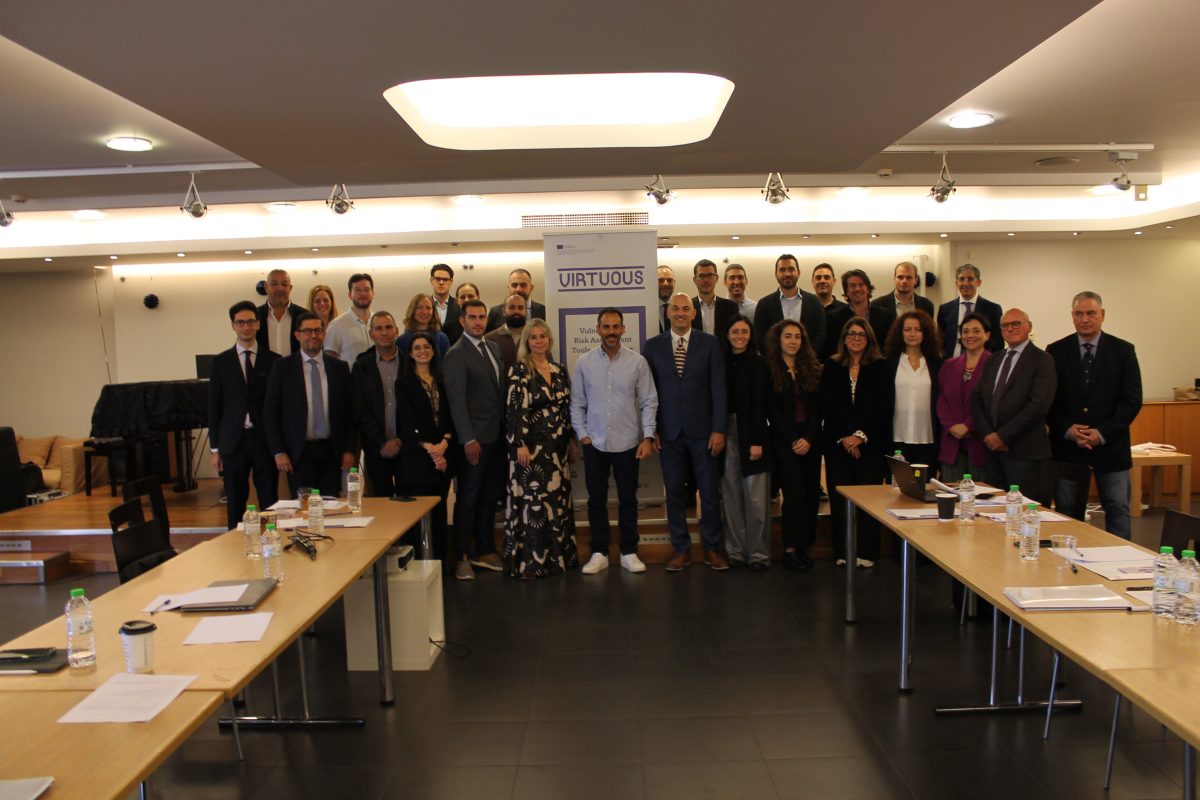
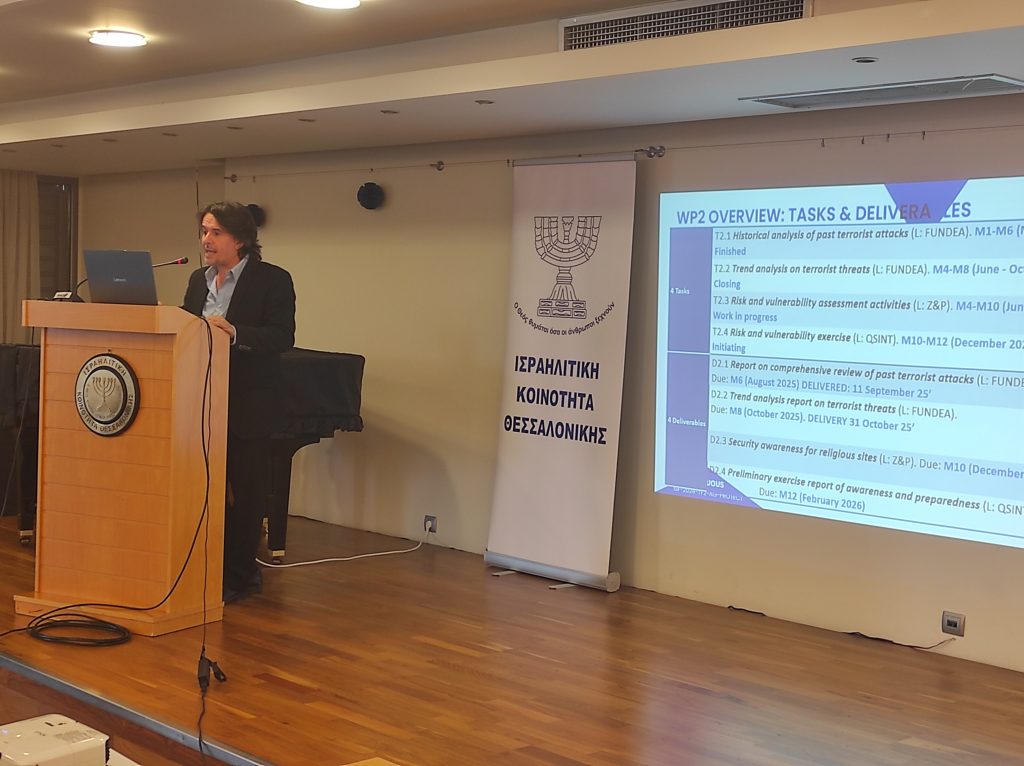
The Euro-Arab Foundation for Higher Studies recently participated in a transnational meeting of the VIRTUOUS project, held in Thessaloniki (Greece). During this meeting, the partners of this project – funded by the European Commission’s Internal Security Fund (ISF) – reviewed progress, shared knowledge, and planned the next steps to ensure the successful implementation of this initiative on the protection of places of worship.

A press conference was also held to showcase the project’s progress to local stakeholders, demonstrating its practical contribution to community security and collaboration across sectors. The press conference emphasized the project’s strong commitment to improving community security, fostering cooperation among the actors involved, and delivering tangible results across the participating countries.

José Mª González Riera (Euro-Arab Foundation) during its intervention in the meeting

Professor Nikolaos Dimitriadis, President of the Center for Ecumenical, Apostolic, and Environmental Studies (CEMES), emphasized the symbolic and practical importance of protecting sacred spaces. “Places of worship represent not only faith but the foundation of peaceful coexistence. Thessaloniki has long been a city where Christians, Muslims, and Jews lived together harmoniously. Protecting these spaces is essential to preserving that legacy,” he stated. 

Likewise, the press conference highlighted that ensuring security in religious sites is not only about physical protection but also about strengthening resilience, fostering interfaith understanding, and maintaining public trust. A message of support from the Office of the Prime Minister of Greece further reinforced the importance of such initiatives. 

The VIRTUOUS Project continues to advocate for coordinated measures that combine faith, knowledge, and community engagement, showing that true security is built on collaboration and solidarity across religious and societal lines. 

Categories
News Projects VIRTUOUS en

VIRTUOUS: A New Project to Strengthen the Security of Places of Worship in Europe

The launch of VIRTUOUS, a European project financed by the European Fund for Internal Security in which the Euro-Arab Foundation participates as a partner, took place in Limoges (France) on 19 March. During the event, José Mª González Riera, deputy director of the Euro-Arab Foundation’s Research and International Projects Department, outlined the Foundation’s essential role in the project: analysing past terrorist attacks, identifying threat trends, assessing the security of religious sites, and training religious leaders and security experts. In addition, the Foundation will lead the production of microlearning materials for religious communities.

The central objective is to strengthen cooperation and response to threats to places of worship through collaboration between religious communities, authorities and security forces.

Safer and more resilient environments for religious communities

VIRTUOUS proposes an innovative and multi-faceted approach, establishing an unprecedented collaboration between religious communities, authorities, security forces and security service providers. By integrating cutting-edge technologies, such as Building Information Modelling (BIM), the project aims to accurately identify vulnerabilities and improve understanding of potential threats. This effort represents a crucial step towards creating a safer and more resilient environment for religious communities in Europe, based on innovation, cooperation and a strong commitment to the values of the European Union.

The VIRTUOUS project is strategically aligned with key EU documents, including the EU Counter-Terrorism Agenda and the EU Security Union Strategy. By prioritising the physical protection of places of worship and fostering inter-religious dialogue, VIRTUOUS contributes directly to the EU’s objectives of ensuring security and promoting inclusiveness in European societies. In addition, the project emphasises the fight against hatred in all its forms, in line with the Joint Communication ‘No place for hatred: a Europe united against hate’, reinforcing its role in upholding fundamental rights and values.

Key Objectives:

  • In-depth understanding: analyse trends and recurring patterns of terrorist attacks against places of worship in Europe.
  • Identification of vulnerabilities: Use innovative technologies to assess and mitigate risks in these spaces.
  • Awareness and preparedness: Develop recommendations, training programmes and strengthen cooperation between stakeholders.
  • Broadening the scope: Extend protection to educational institutions and community gathering spaces associated with religious denominations.
  • Interfaith dialogue: Foster cooperation, communication and dialogue to strengthen the resilience of religious communities.