Categories
News Projects SHIELDed EN

The Euro-Arab Foundation and the City Council of Granada Reinforce the Protection of Places of Worship against Hate Speech

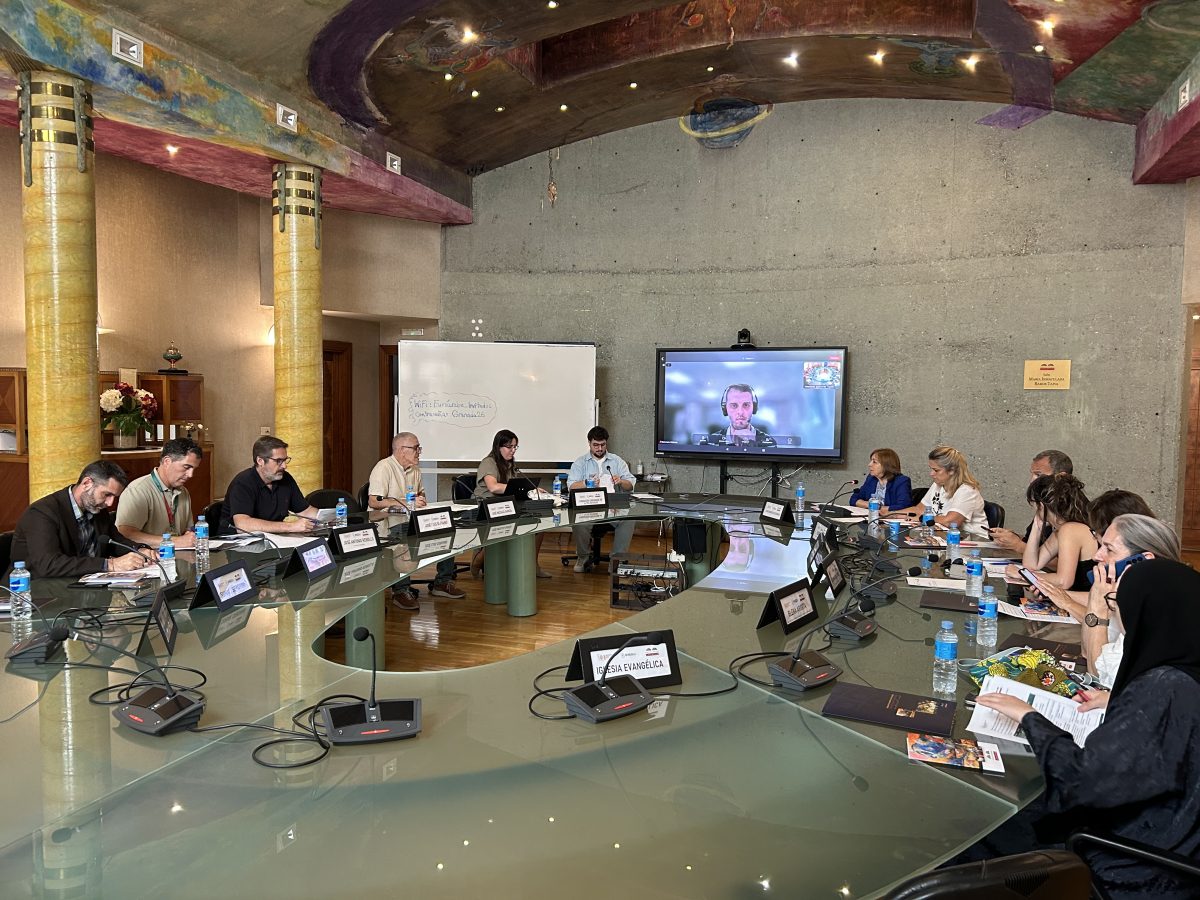
On June 9, the headquarters of the Euro-Arab Foundation for Higher Studies hosted the second meeting of the Local Working Group for the Protection of Places of Worship in Granada. This space for dialogue and intervention is co-directed and coordinated by the City Council of Granada and the Euro-Arab Foundation, within the framework of the European project SHIELDed.

The Working Group was established as one of the fundamental pillars of this European project, serving as a local, cross-sectoral platform for dialogue. Its objective is to provide institutions and religious communities with a sustainable space for exchange with civil society actors, allowing them to identify protection needs and jointly develop security and coexistence measures.

An Integrated Approach: From Physical Threats to the Digital Environment

Through a participatory approach that integrates religious communities, NGOs, public administrations, and State Security Forces, the project seeks to foster greater involvement and social cohesion. The action plan not only addresses protection against physical threats—such as vandalism or attacks on temples and worshipers—but also places a priority focus on preventing hate speech, polarization, misinformation, and social marginalization.

This second session builds on the work initiated during the kickoff meeting in December 2025. On that occasion, members of the Group had already expressed their deep concern over the rise of online hostility. Consequently, the focus of this meeting centered specifically on analyzing online discrimination and xenophobia at the national level, as well as identifying effective mechanisms and channels for reporting them.

Institutional Support and Expert Analysis

The event was opened by Amparo Arrabal, Councilor for Social Policy, Family, Disability, and Seniors, and María Eugenia Luzón Molero, technical director and coordinator of the Religious Diversity Bureau, representing the City Council of Granada. On behalf of the Euro-Arab Foundation, researchers Rascha Albaba and Javier Montilla welcomed the attendees and reviewed the activities and milestones achieved to date.

The core segment of the session was dedicated to strategies for tackling online intolerance. This featured a presentation by Mario Lara Delgado, Head of Section at the Spanish Observatory on Racism and Xenophobia (OBERAXE), under the Ministry of Inclusion, Social Security, and Migration. Lara Delgado detailed the Observatory’s work in monitoring, tracking, and reporting potentially criminal behavior on social media.

Police Cooperation and Reporting Channels

Additionally, representatives from the Security Forces participating in the Group outlined detection methods and action protocols regarding hate crimes. José Luis Soriano (National Police), Benjamín Salas (Civil Guard), and José Antonio Rebollo (Granada Local Police) delivered a joint presentation on the communication and direct reporting channels available to religious communities and the general public.

Conclusion: As the meeting drew to a close, participants agreed that discrimination and hate in the digital environment often serve as a prelude to physical assaults in real life. In this regard, they underscored the urgent need to raise awareness about the importance of reporting any discriminatory behavior and to urge authorities to act firmly against hate attacks.
Categories
News Projects SHIELDed EN

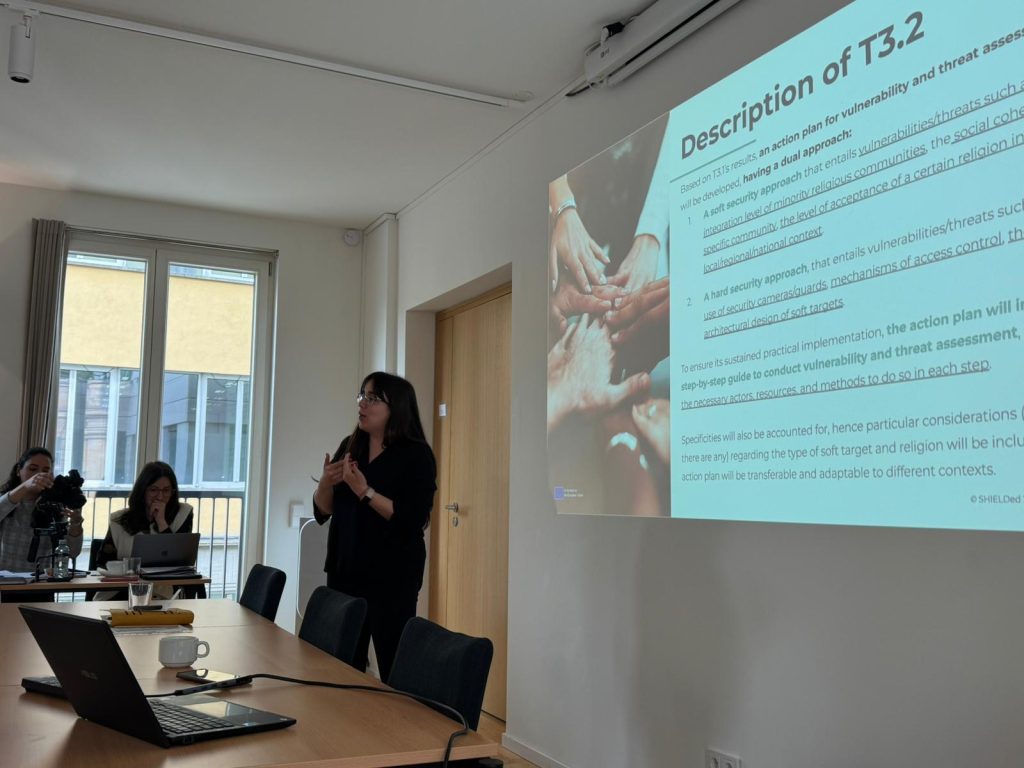
SHIELDed: First Consortium Meeting and Transnational Event

The Euro-Arab Foundation participated in the first in-person consortium meeting and transnational event of the SHIELDed project, which took place in Berlin from May 11 to 13.

After completing its first year of development, the SHIELDed project has reached strategic milestones that were analyzed during the two days of work. Among the most notable achievements is the launch of eight Local Councils for the Protection of Places of Worship distributed across Europe, a key initiative for the local implementation of security measures. Within this framework, Euro-Arab Foundation researcher Rascha Albaba presented the progress of the work package led by the Foundation: the development of current threat and risk assessments in places of worship. The session generated an intense debate on the methodologies and actions needed to ensure that these tools are truly effective for protecting community and religious spaces.

A Multi-Agency Approach for Holistic Security

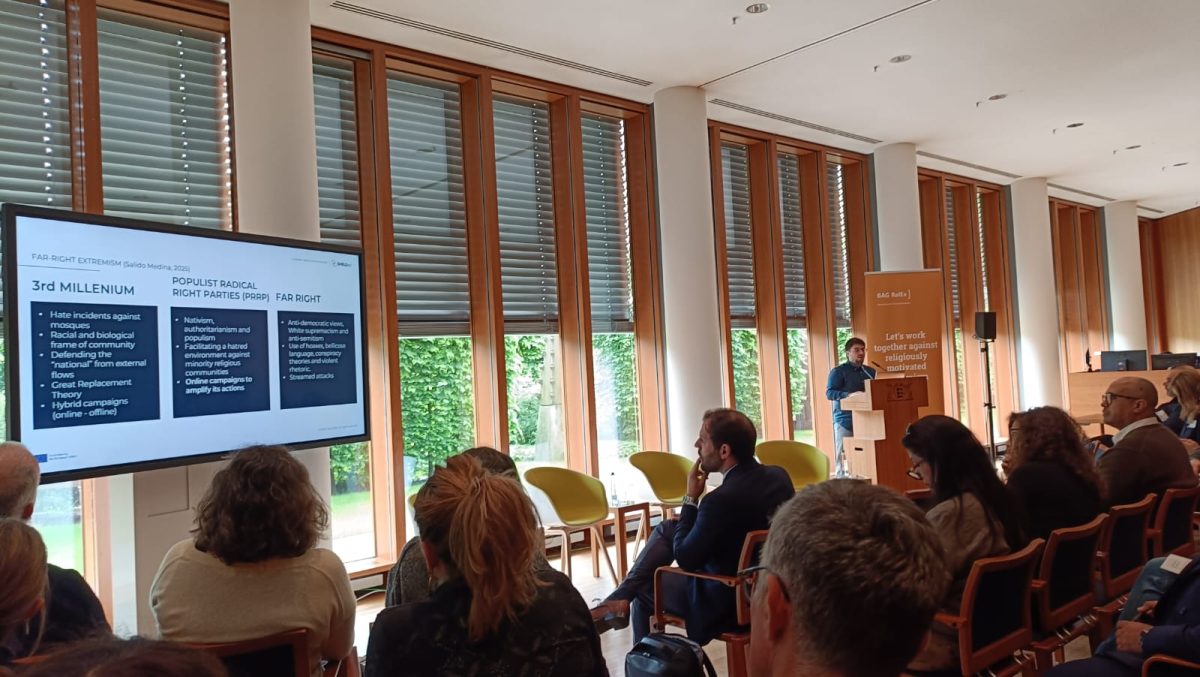
The SHIELDed transnational event took place on May 13, bringing together various relevant stakeholders interested in protecting these spaces, including representatives from a wide plurality of faiths across the continent, researchers, law enforcement agencies, and public administration representatives. This multi-agency approach aims to foster a cross-cutting social commitment to achieve a holistic vision of security. During the event, Foundation researcher Javier Montilla delivered a presentation on current extremist threats affecting places of worship in Europe, analyzing the global risk context.

With the conclusion of these sessions in Berlin, the SHIELDed consortium reaffirms its commitment to continue implementing effective measures that guarantee coexistence and security in places of worship, firmly backing dialogue as a tool against exclusion.

Categories
News Projects SHIELDed EN

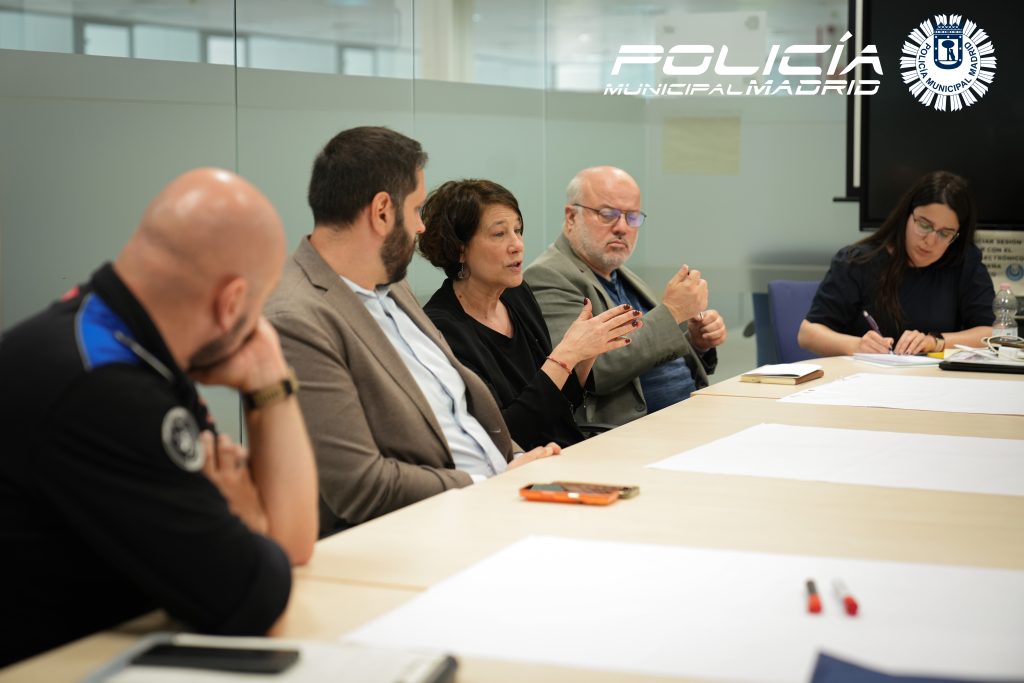
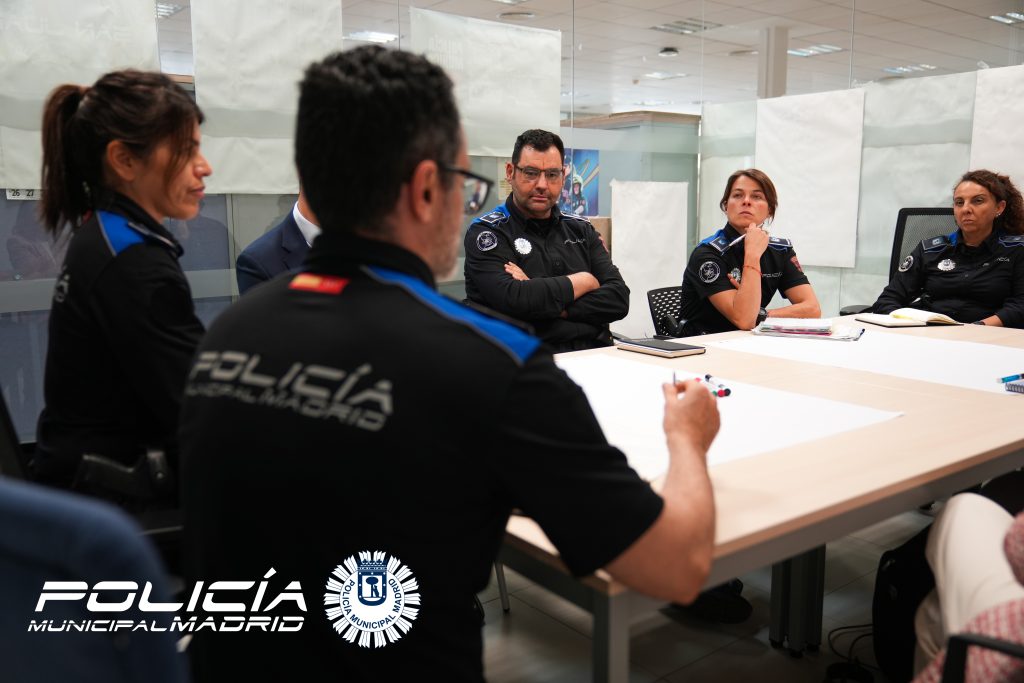
The Euro-Arab Foundation and the Madrid Municipal Police organise the National SHIELDed Workshop

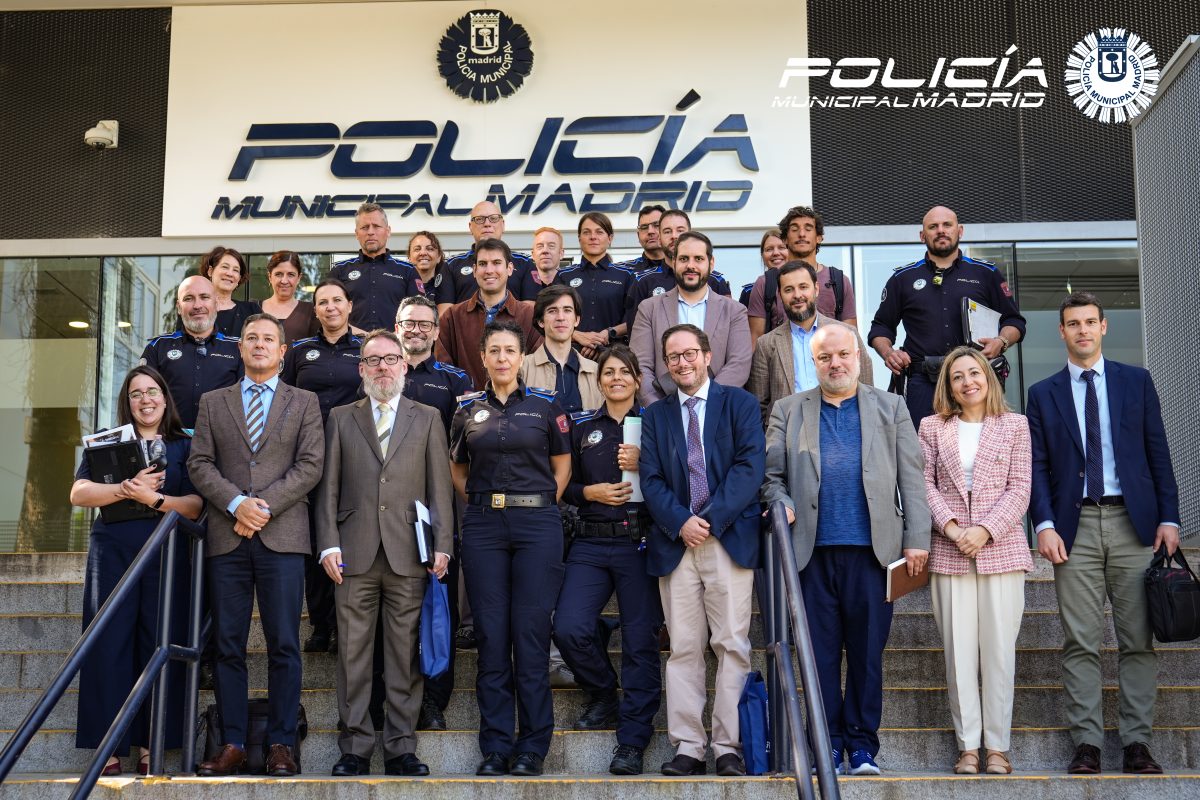
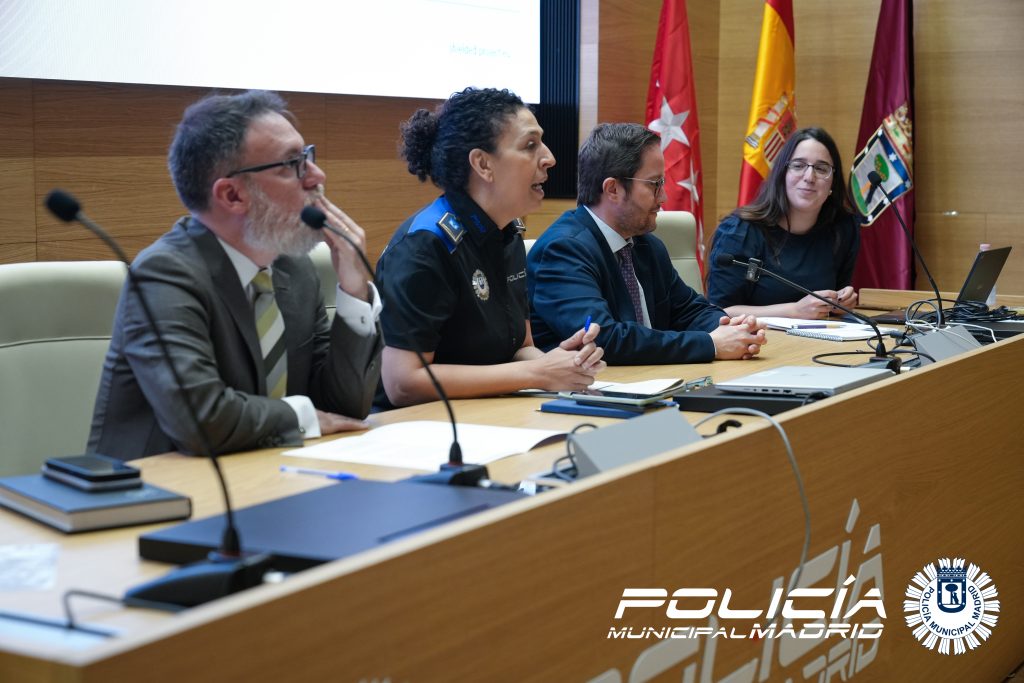
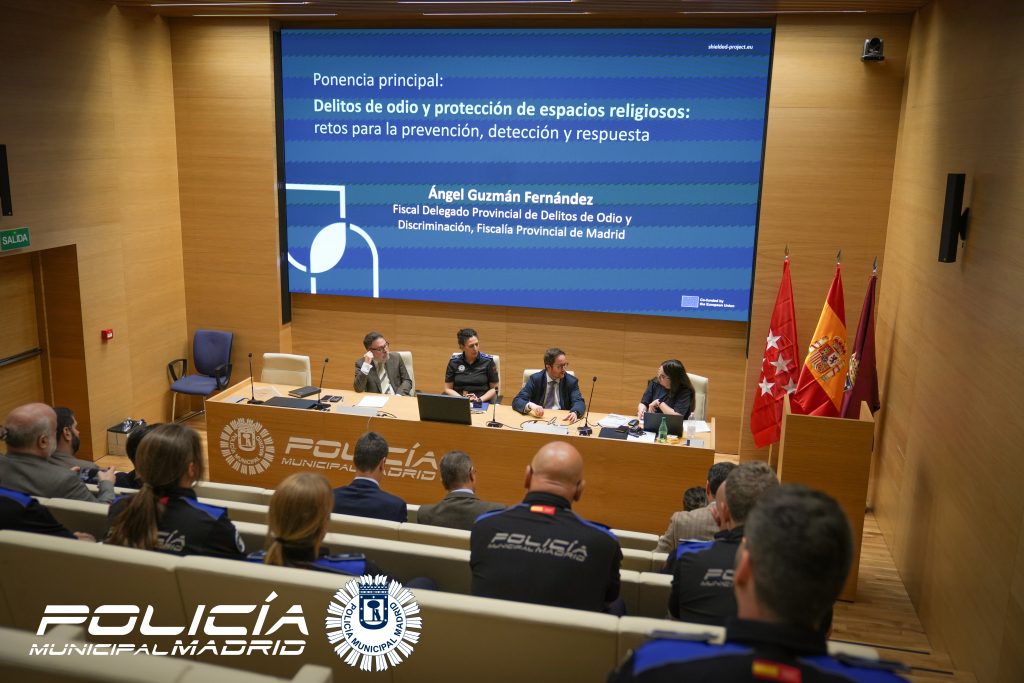
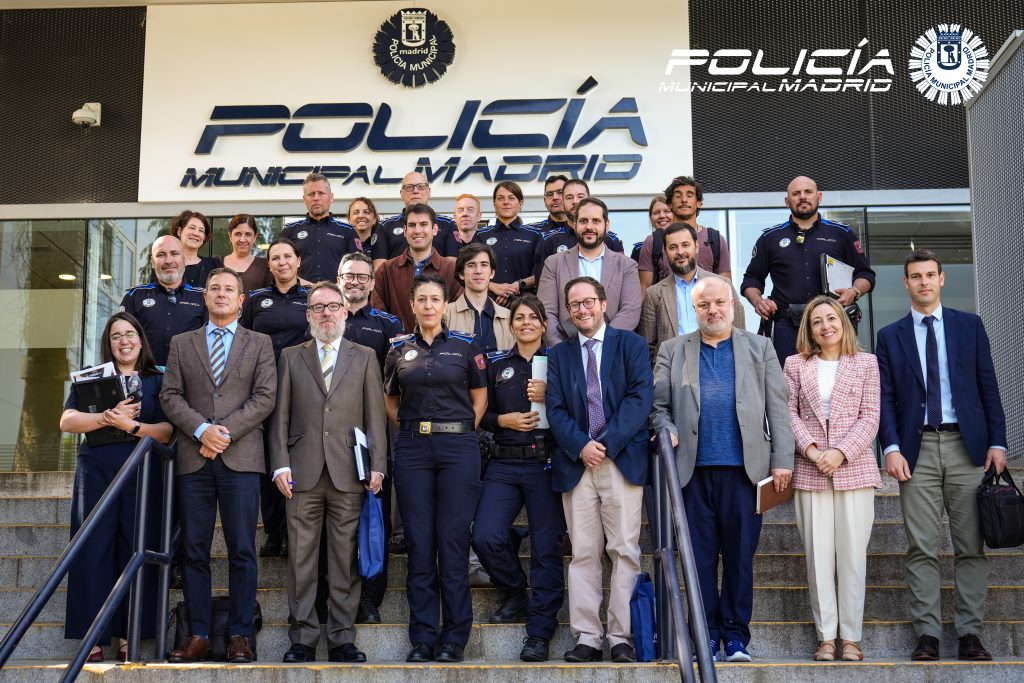
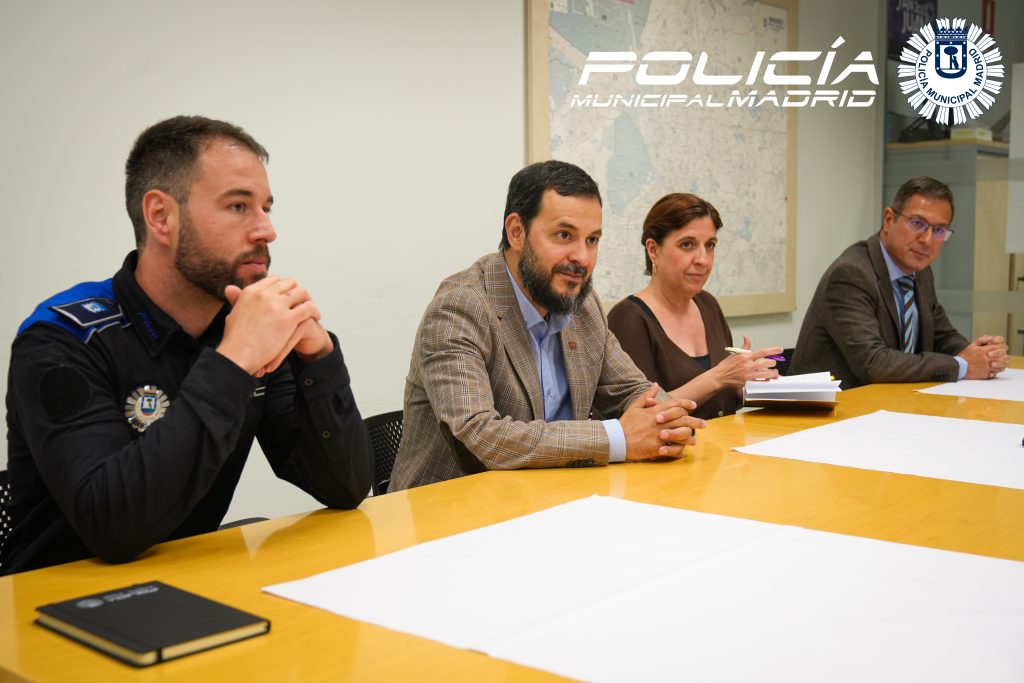
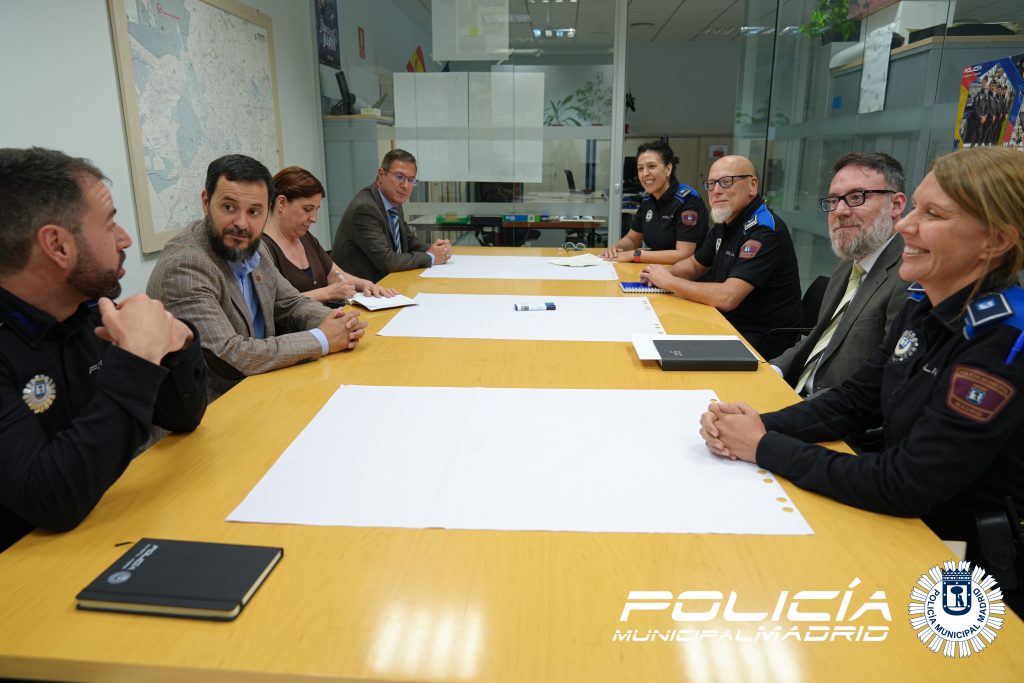
On April 27, the National Workshop of the SHIELDed project took place at the Headquarters of the Madrid Municipal Police, during a session jointly organised by the Euro-Arab Foundation and the city’s Municipal Police.

The meeting brought together around 25 participants from law enforcement agencies, mainly the Madrid Municipal Police and the Guardia Civil, religious communities, the Public Prosecutor’s Office, public administrations, and civil society organisations based in Madrid and operating nationwide.

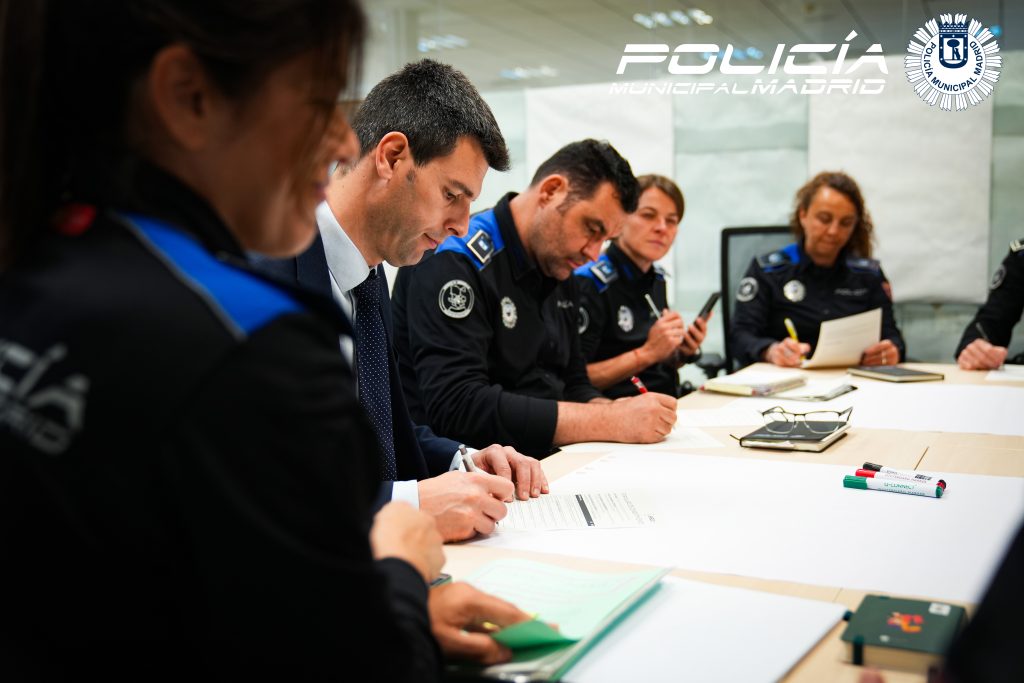
During the session, participants analysed the main risks, vulnerabilities, and challenges related to the protection of places of worship and other religious spaces in Spain. The workshop also served to promote interfaith dialogue, multisectoral cooperation, and the development of coordinated responses to hate crimes and extremist threats.

The program included specialised presentations, participatory working groups, and a solutions lab focused on developing communication protocols and action plans aimed at strengthening prevention, protection, and response capacity in the event of possible incidents.

SHIELDed is a European project focused on the protection of places of worship and religious sites against extremist threats, hate-motivated attacks, and other security risks. The initiative promotes a comprehensive approach based on cooperation between public authorities, law enforcement agencies, religious communities, and civil society, fostering prevention, training, and coordination tools to strengthen the resilience and security of these spaces in Europe.

The SHIELDed national workshops are spaces for collaboration and joint work promoted in different European countries with the aim of bringing together key stakeholders to identify common challenges, share best practices, and design coordinated strategies for the protection of places of worship and the prevention of hate crimes and violent extremism.

Categories
News Projects SHIELDed EN

Women from Diverse Faiths advocate Feminism as a Transformative Axis of Belief at the Euro-Arab Foundation

The Euro-Arab Foundation in Granada held, on March 17, the participatory roundtable “Faith and Feminism: Interreligious Dialogues among Women.” The event, organized by the Euro-Arab’s Chair of Gender Studies under the SHIELDed project, brought together nine experts and leading figures from various spiritual traditions to discuss identity, power, and women’s resistance within spaces of faith.

Introduced by Euro-Arab researcher Rascha Albaba Acosta and moderated by the institution’s project coordinator, José Luis Salido, the event was structured around three cross-cutting themes: intergenerational dialogue, feminist reinterpretations of religion, and the building of alliances in the public sphere.

The right to spirituality and autonomy

During the session, the speakers agreed that faith and feminism are not only compatible, but that their union is a tool for empowerment. Shankari Shaktini, a lecturer in Vedic philosophy, was unequivocal: “Spirituality is mine; if I want to belong to another religion, it is my freedom as an individual,” also denouncing how institutionalized dogma has historically stigmatized the feminine.

For her part, young Christian activist Valentina Pérez Cerezo (Mag+s and Women’s Revolt in the Church) highlighted the internal diversity of Catholicism and the struggle to overcome the “secondary role” to which women are relegated: “We are still Christian and feminist.”

Re-reading texts to reclaim dignity

One of the central points of the debate was the distinction between the original spiritual message and later patriarchal interpretations. Zoraida Alí Morell, a graduate in Philosophy, recalled that “the first believers were women” and that sacred texts, in their essence, dignify the female figure. In this vein, Paloma Medina and Rowan Aly emphasized that the problem lies not in the texts themselves, but in biased readings that reinforce male power structures.

From the perspective of Islam in Europe, lawyer Omayma Boughlala offered a critical reflection on the paternalism of certain sectors of Western feminism: “There are feminists who do not include me because they think I have no voice. How can I participate if it is assumed that I need to be ‘liberated’?”—thus asserting the autonomy of Muslim women to decide on their own symbols and practices.

Education against extremism

The event concluded with a call for religious literacy as an antidote to hatred and exclusion. Susana Lorente, from The Church of Jesus Christ of Latter-day Saints, stated that “knowledge is freedom” and proposed integrating religious diversity into educational curricula. Lola Parras Chica (Tibetan Buddhism) and Medha Tyagi (Vedic tradition) stressed the need to unlearn patriarchal models and restore women’s central role in the transmission of values.

The meeting closed with a shared commitment: the need for women not only to practice their faith, but to become its interpreters and creators of inclusive spaces, transforming religion into a tool for social justice. Read the full post on our blog dedicated to this event.

Categories
News Projects SHIELDed EN

First Meeting of the Local Working Group to Strengthen the Protection of Places of Worship in Granada

This Wednesday, 17 December, the headquarters of the Euro-Arab Foundation hosted the first meeting of the Local Working Group on the Protection of Places of Worship in Granada, a new platform arising from the joint work of the Euro-Arab Foundation and the Granada City Council, with the aim of enhancing the security of religious spaces and communities in the city.

The creation of this Working Group is part of the SHIELDed project, co-funded by the European Commission under the Internal Security Fund, in which the Euro-Arab Foundation participates alongside various partners. This first meeting brought together representatives of Granada’s main religious communities, civil society organisations, academia, and members of the State Security Forces and Corps.

During the meeting, opened by the Executive Secretary of the Euro-Arab Foundation, Antonio Sánchez, and the Councillor for Social Policy, Family, Disability and Older People of the Granada City Council, Amparo Arrabal Martín, the objectives and lines of action of the SHIELDed project were first addressed. Key municipal initiatives were also presented, such as the Municipal Participatory Round Table for Religious Diversity, the Municipal Round Table for Intercultural Dialogue, and the Municipal Observatory against Hate Crimes. These presentations were delivered by Councillor Amparo Arrabal Martín and by the Technical Director and Coordinator of both Municipal Round Tables, María Eugenia Luzón Molero.

The session concluded with a participatory exercise that allowed members of the Working Group to share and express their views on the security of places of worship in the city. Through this exercise, threats, protection needs, challenges, and existing good practices were identified, with the aim of laying the foundations for an action plan to guide the work of the group and define security priorities for religious communities and the institutions involved.

The Euro-Arab Foundation highly values the outcome of this first meeting, highlighting the high level of engagement, interest, and willingness shown by all participants. It also thanks the Granada City Council and the participating organisations for their close collaboration, expressing confidence that this line of joint work will be consolidated over time and that this Working Group will become a useful forum for strengthening coexistence, peace, and security in the city.

Categories
News SHIELDed EN

New European project to protect places of worship, schools and religious communities

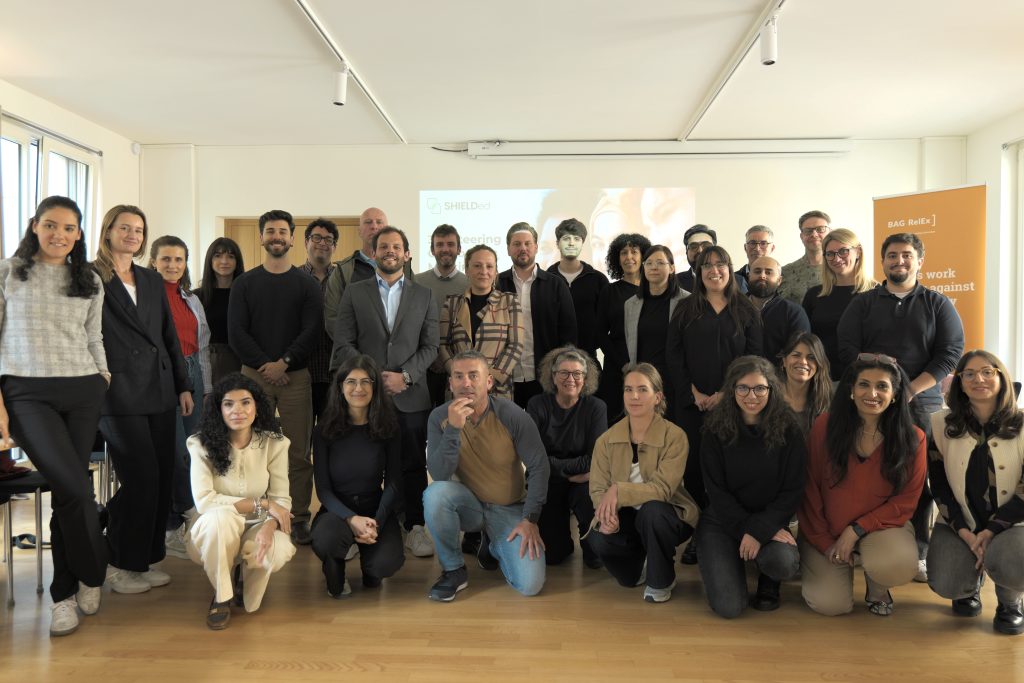
Last week, the Euro-Arab Foundation participated in the kick-off meeting of a new 3-year project, SHIELDed, aimed at protecting places of worship, schools and religious communities in Europe.

The kick-off meeting brought together the project’s 17 partner organisations from 10 European countries and marked the beginning of a coordinated effort to address the growing vulnerabilities and challenges facing communities across Europe. By promoting cross-sectoral collaboration, strengthening the capacity of soft targets (such as schools and religious institutions and sites), inter-religious dialogue, tolerance, democratic and civic literacy, and critical thinking, the SHIELDed project seeks to foster a shared culture of safety, dialogue and mutual respect for all.

The Euro-Arab Foundation was represented at the SHIELDed launch event by its researcher Rascha Albaba Acosta.

In this project, the Euro-Arab Foundation will lead the coordination and implementation of the third work package, which focuses on establishing a baseline understanding of the needs, threats and vulnerabilities of soft targets, including local and organisational specificities, as well as the development of accurate and innovative materials and mechanisms to enable rapid, effective and comprehensive multi-level threat assessment and response options.

About SHIELDed

Funded by ISF (Homeland Security Fund), SHIELDed aims to respond to the global rise of disinformation, hatred and resulting violence directed at soft targets such as schools and places of worship. The project aims to work towards the protection of these symbolic places and their communities by building on the EU Action Plan to Support the Protection of Public Spaces and promoting cooperation between public authorities, religious organisations, educational institutions and local communities.

In addition, SHIELDed aims to improve public awareness by working with local communities and their youth. This will be achieved through capacity building, cooperation, awareness raising, preventive and response mechanisms. SHIELDed plays a crucial role in preventing crime and mitigating radicalisation and extremism, through primary and secondary preventive mechanisms. Its focus on improving literacy, tolerance and resilience will be crucial for tertiary prevention, particularly in assisting the (re)integration of people with criminal convictions.