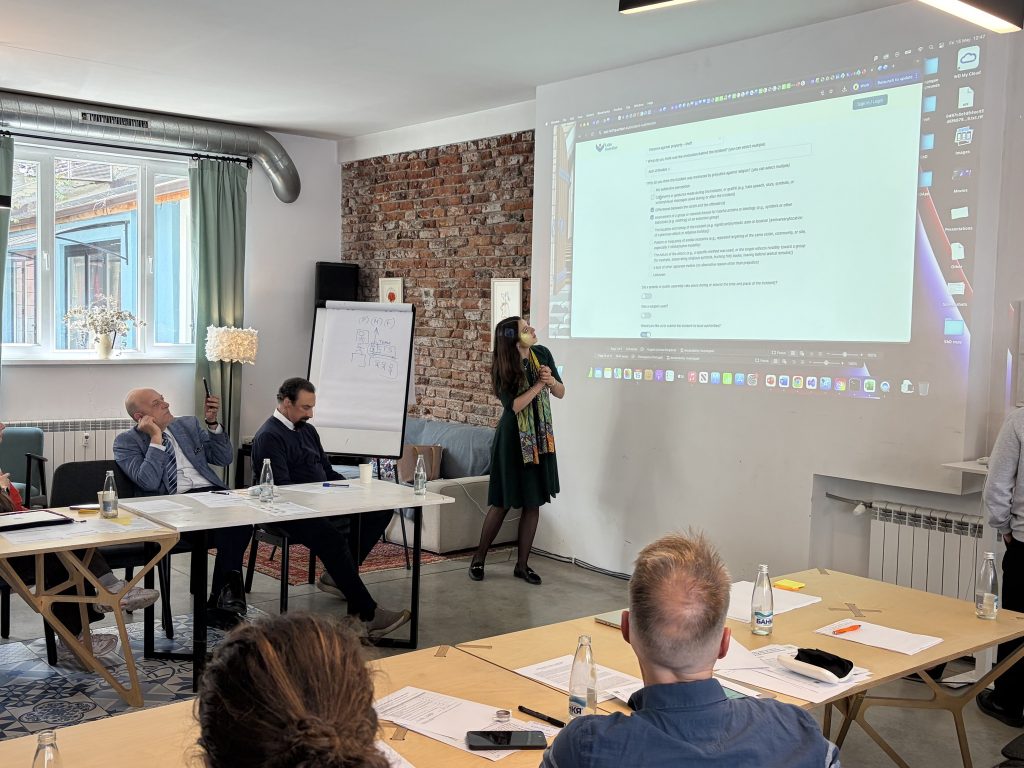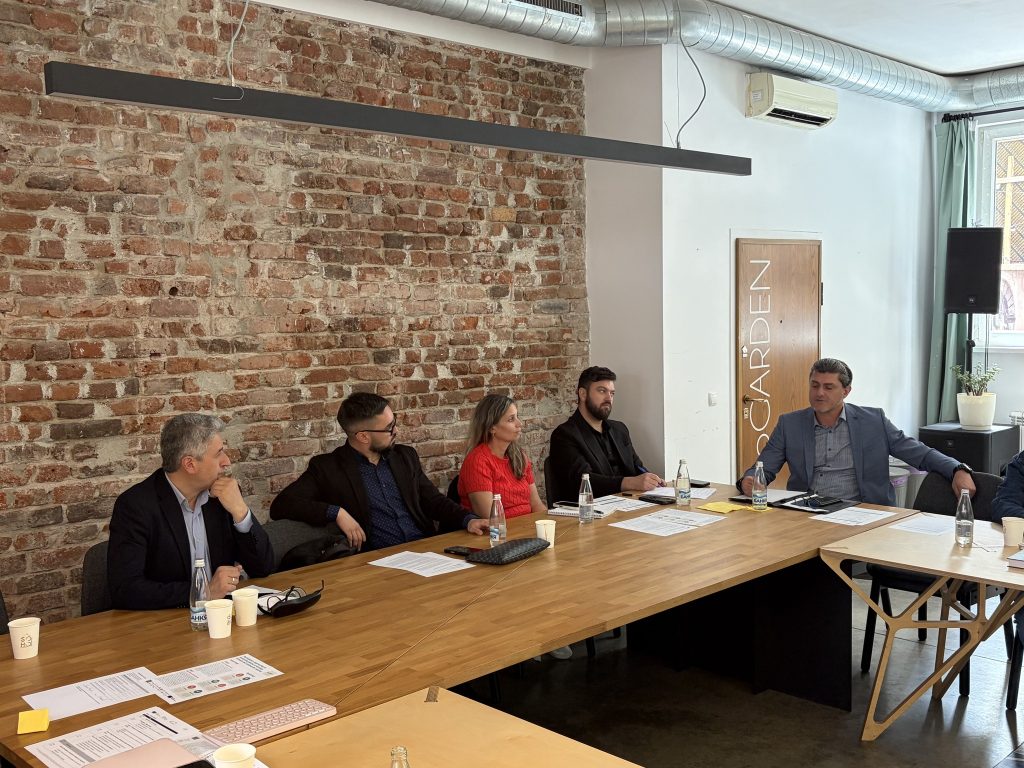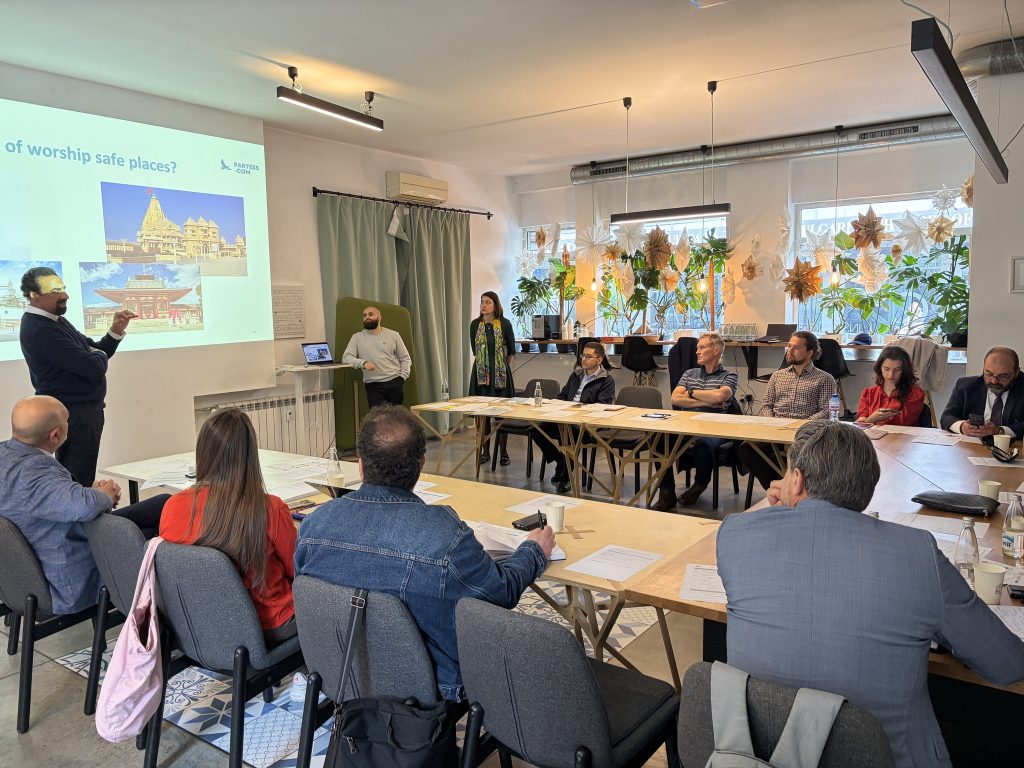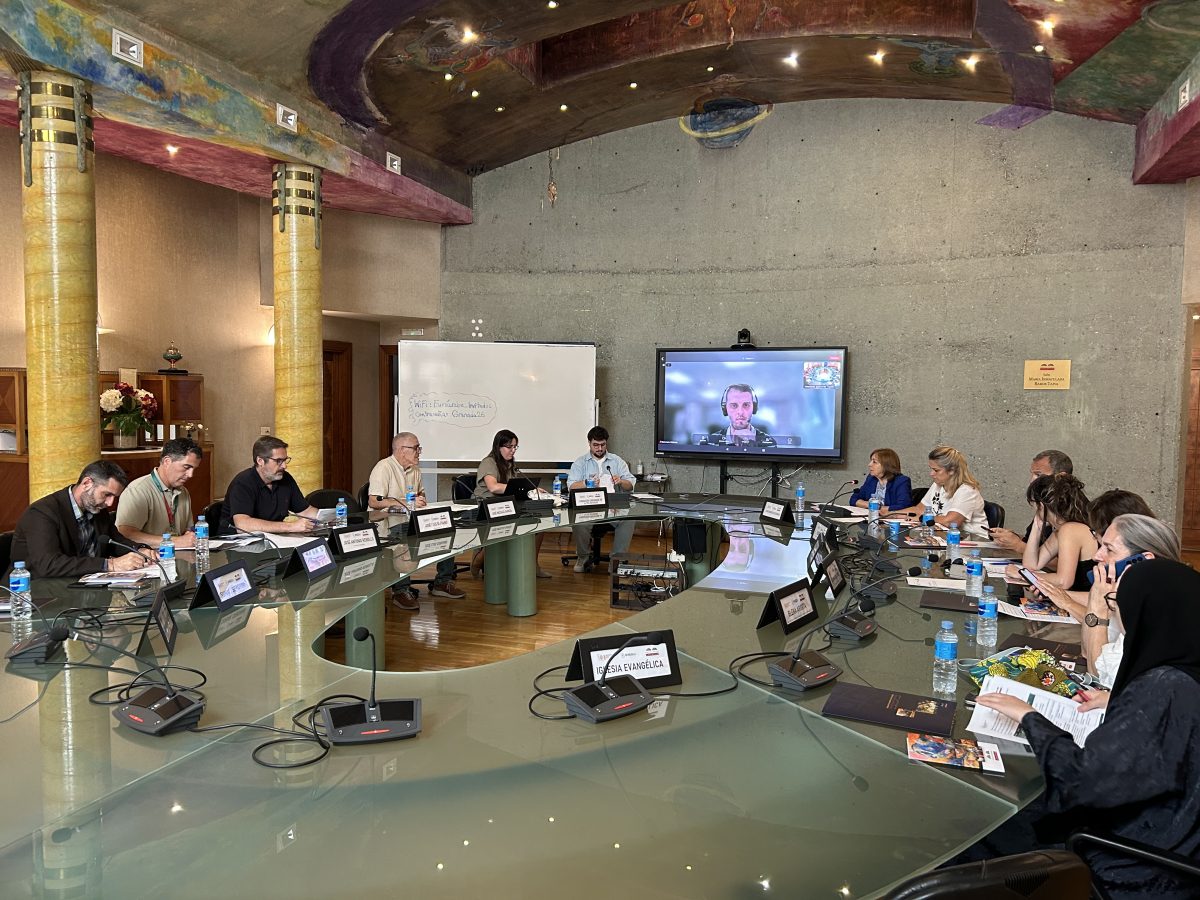
On June 24, researcher Karen Hough, representing the Euro-Arab Foundation for Higher Studies, presented the conclusions of the VANGUARD Project’s intelligence analysis on human trafficking to the sixteen independent experts of GRETA (Group of Experts on Action against Trafficking in Human Beings). This Council of Europe body is responsible for monitoring the implementation of the Convention on the matter in Strasbourg.
This presentation is part of the project’s contribution to advancing intelligence-led responses to trafficking across Europe. Drawing on multidisciplinary research, the analysis examined emerging trafficking dynamics, the adaptation of organized crime, and shifting exploitation patterns. The findings provide a strategic evidence base to inform policy development, operational decision-making, victim identification, and the responsible deployment of advanced technological tools to support the prevention, detection, and disruption of trafficking networks in both national and transnational contexts.
A central focus of the presentation was the epistemological and operational value of survivor expertise within intelligence-led responses to human trafficking. Rather than positioning survivors solely as recipients of protection and assistance, the analysis recognized them as critical repositories of knowledge whose lived experiences generate unique forms of intelligence that are often inaccessible through conventional research methods.
Survivor-informed perspectives provide valuable insights into recruitment mechanisms, coercive control, exploitation pathways, barriers to reporting, and institutional responses, strengthening both strategic and operational intelligence. Furthermore, the presentation argued that survivor expertise must be integrated not only into policy and operational practice, but also into the design and monitoring of technologies aimed at combating human trafficking.
The subsequent discussion with GRETA underscored the importance of interdisciplinary collaboration among intelligence professionals, researchers, survivors, law enforcement, civil society, and technology developers. Integrating these perspectives can reinforce early victim identification, enhance intelligence collection and analysis, support responsible technological innovation, and optimize the disruption of organized trafficking networks, while promoting the sustainable recovery and resilience of survivors.
Human Trafficking for the Purpose of Forced Criminality on the Rise in Europe
In its latest annual report, GRETA expressed concern over the increase in human trafficking for the purpose of forced criminality, urging European Union member states to step up victim identification and effectively apply the non-punishment principle. The report, which reviews progress in implementing the Council of Europe Convention on Action against Trafficking in Human Beings, highlights that people’s vulnerabilities are increasingly being exploited to force them into committing crimes, ranging from shoplifting and forced begging to cannabis cultivation, drug trafficking, and online financial fraud.
Victims are typically recruited through fake job offers on social media and internet platforms, with minors and individuals in situations of extreme social exclusion or precarious migration status being the most affected groups. The report emphasizes that many of these victims are not recognized as such by law enforcement and judicial authorities, which causes them to end up being arrested, prosecuted, and convicted for the crimes they were coerced into committing, rather than receiving the protection and assistance they are entitled to under the Council of Europe Convention on Action against Trafficking in Human Beings.