Categories
PARTES-COM EN

PARTESS-COM: Capacity Building Training for Faith Leaders in Granada 

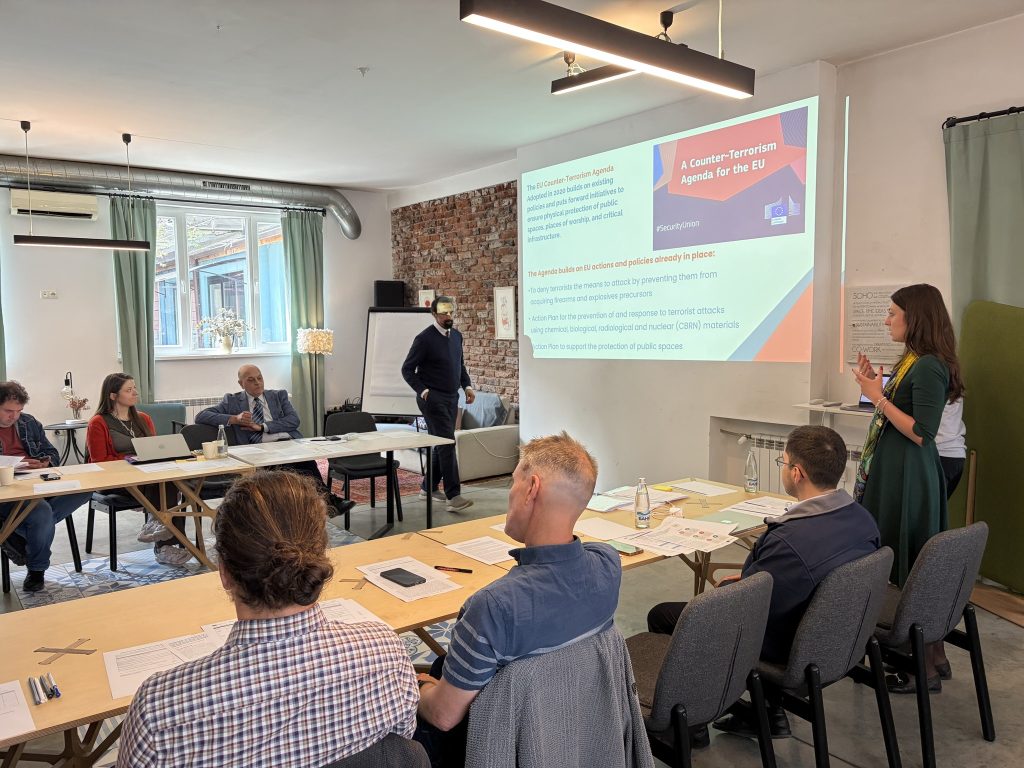
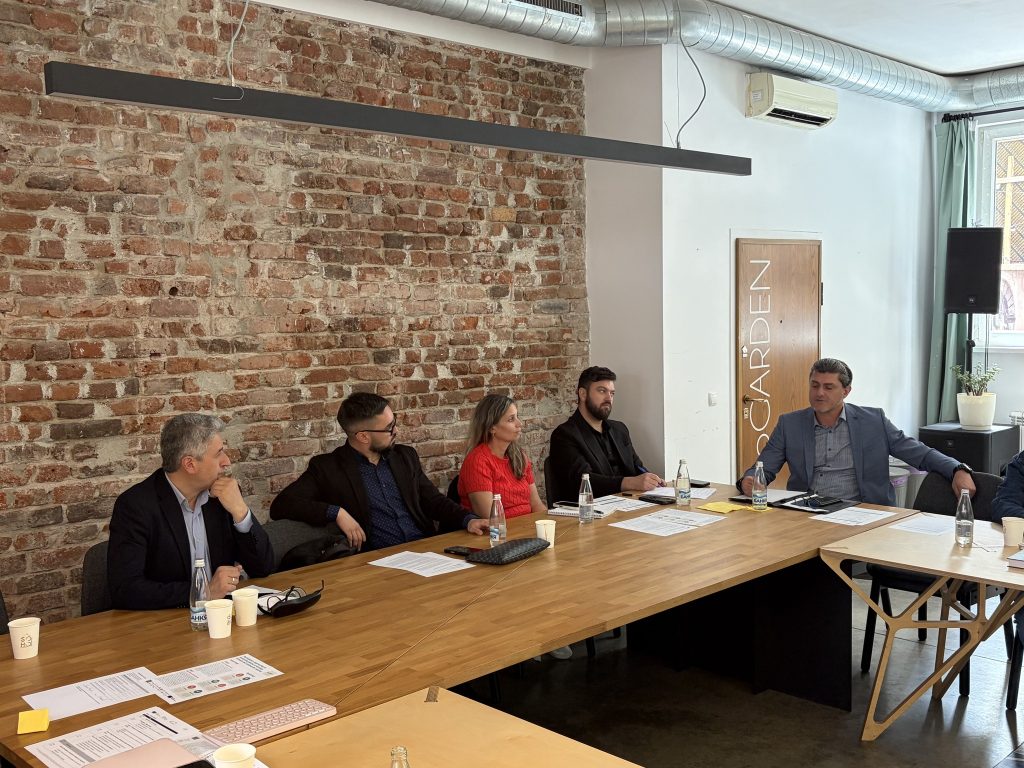
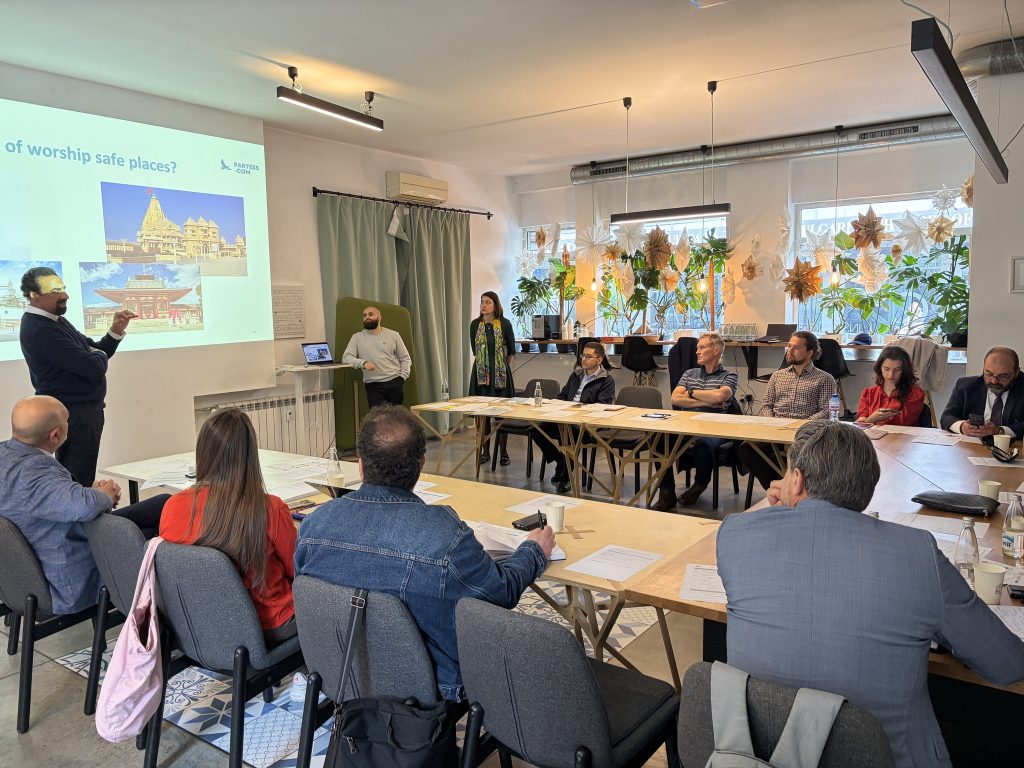
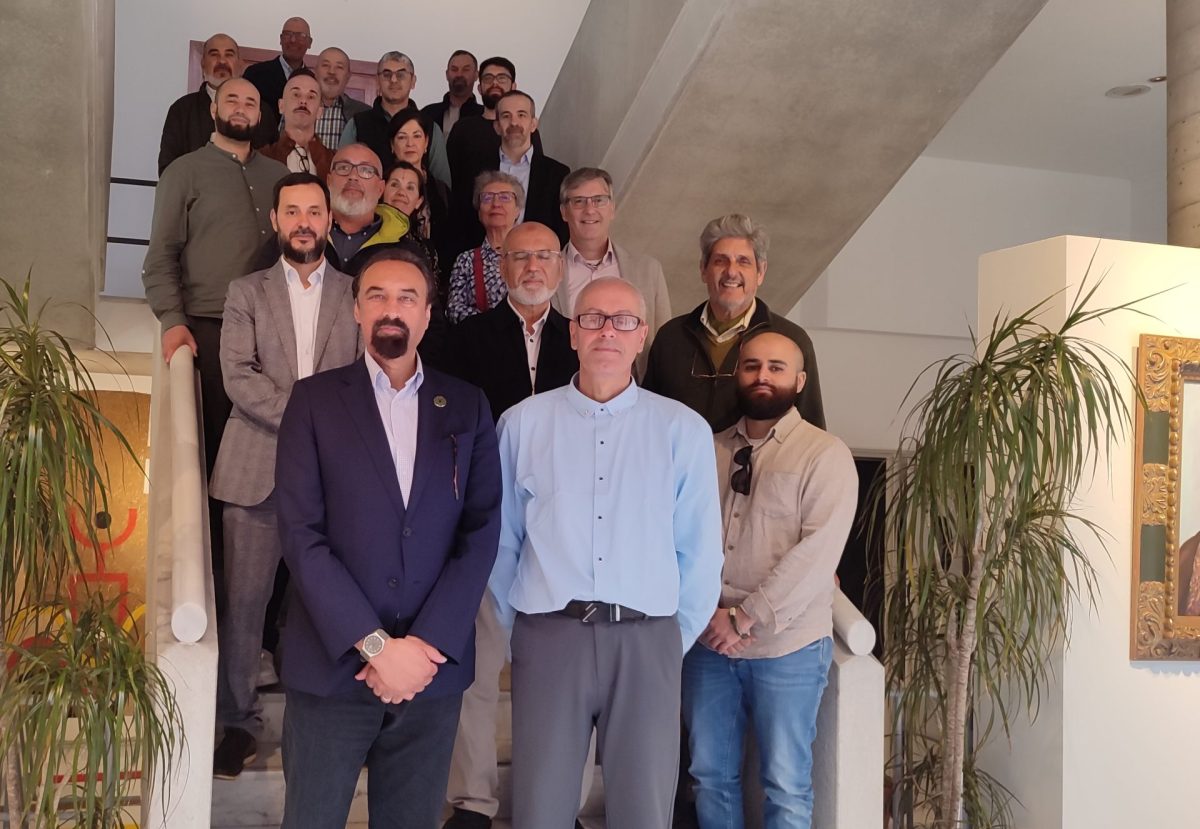
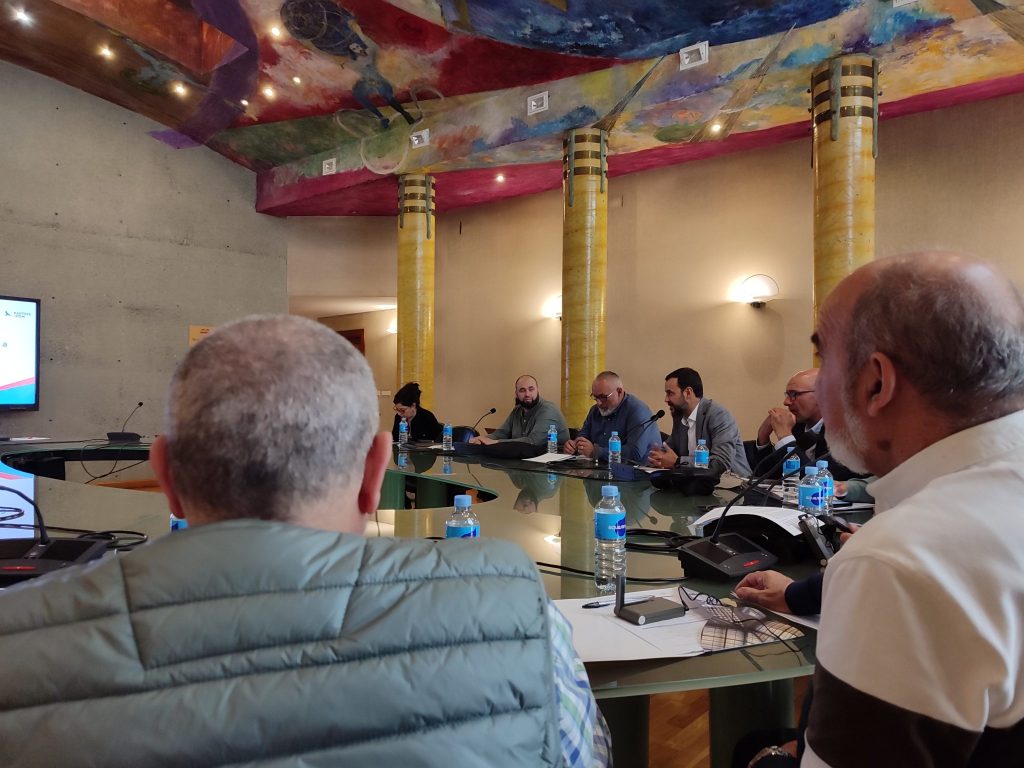
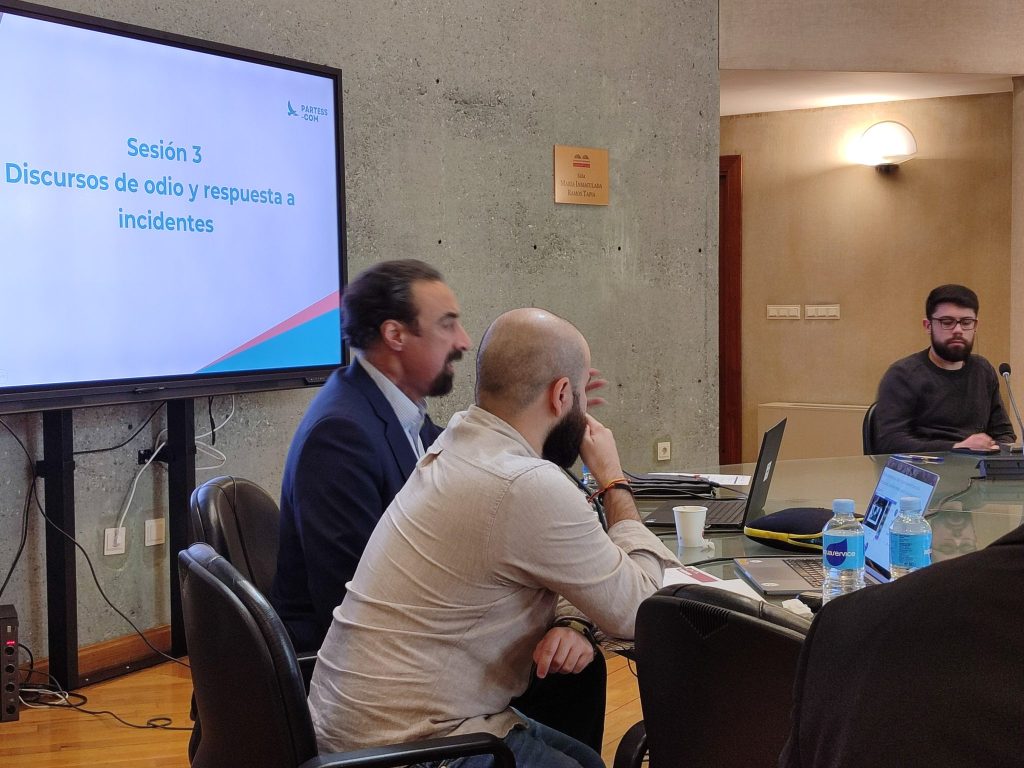
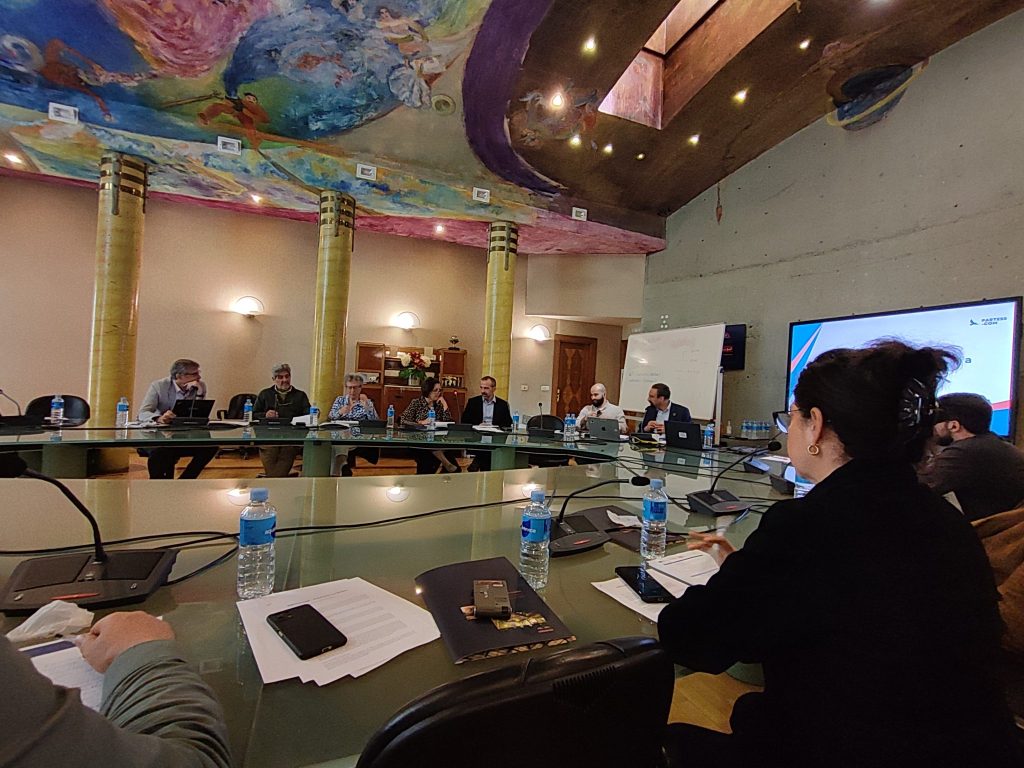
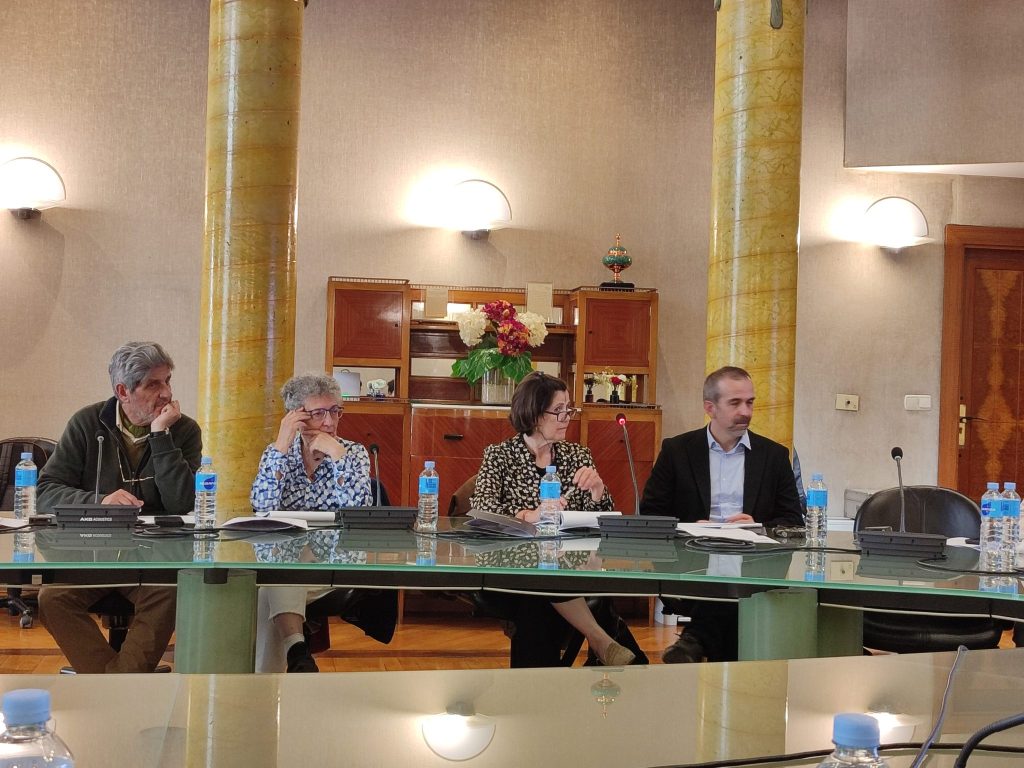
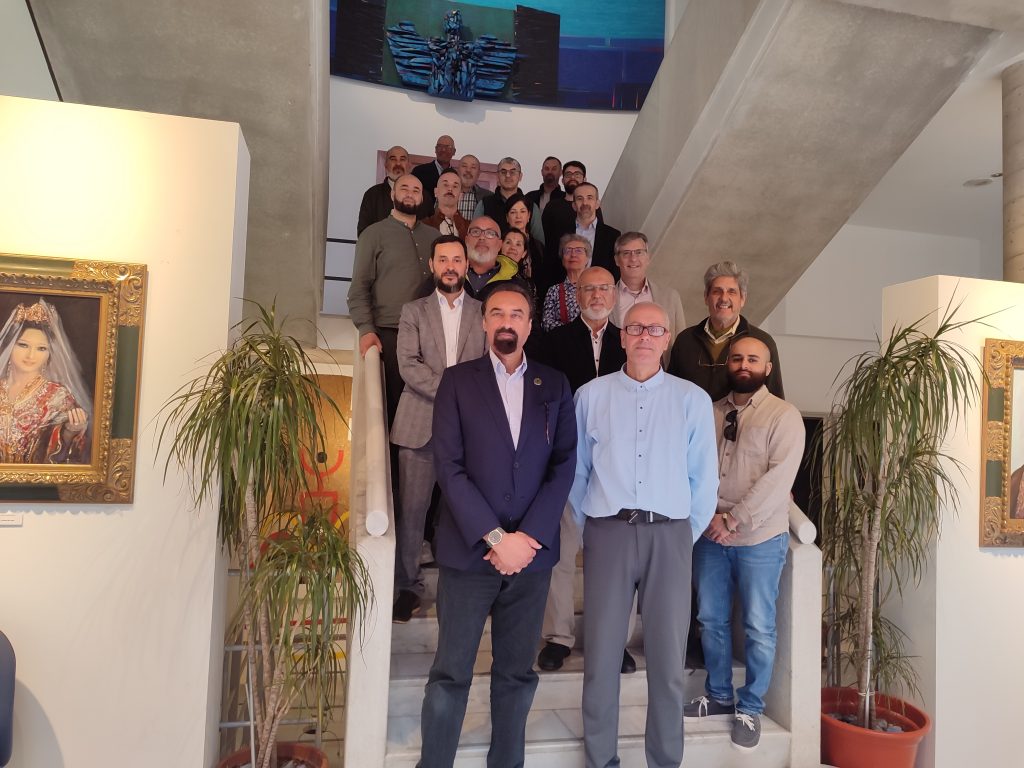
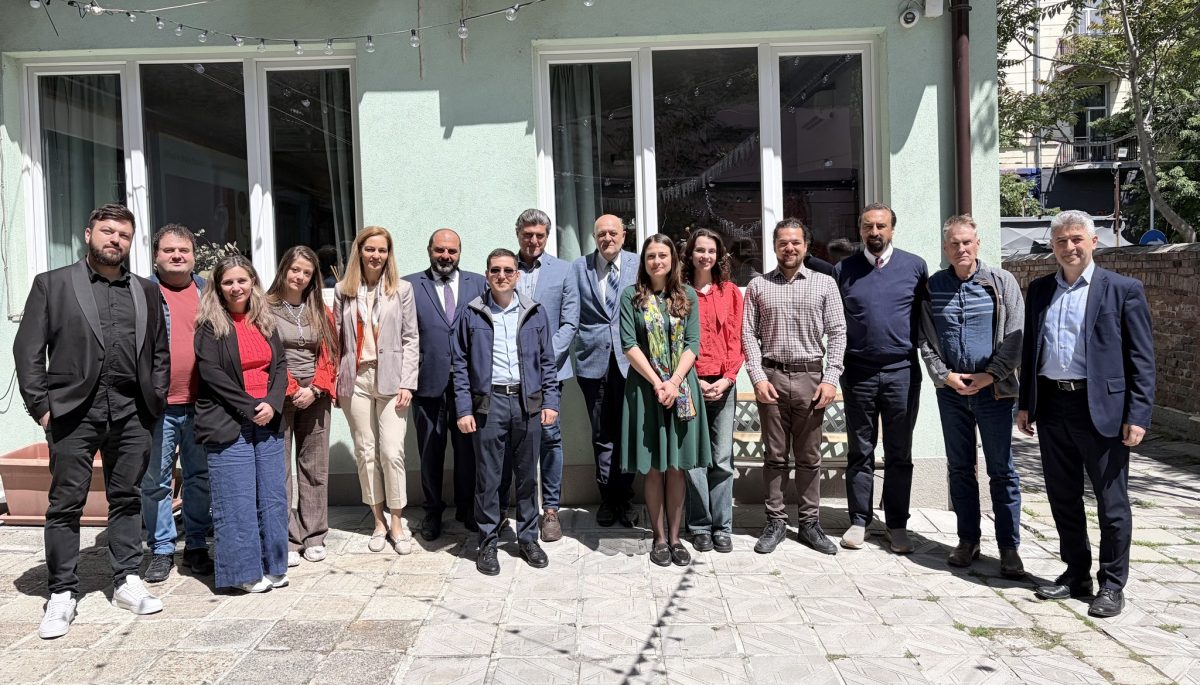
On April 16, the Euro-Arab Foundation for Higher Studies in partnership with Enhancing Faith Institutions , organised a training workshop for religious leaders on preventive security and incident management. This activity was part of the EU-funded project PARTESS-COM, which involves the Euro-Arab Foundation, eighteen European research organisations, as well as security agencies and religious communities from 12 countries. 

The workshop brought together worship leaders, law enforcement, local authorities and security experts through local trainings for multi faith religious leaders, simulation exercises and collaboration across Europe. The program aimed to cover potential security breaches, but also to provide pragmatic tools to ensure places of worship protection. It offered concrete examples on the detection of security breaches and pointed out their prevalent effects on the religious communities, and how to report to police stations as well as estimated time responses by authorities.

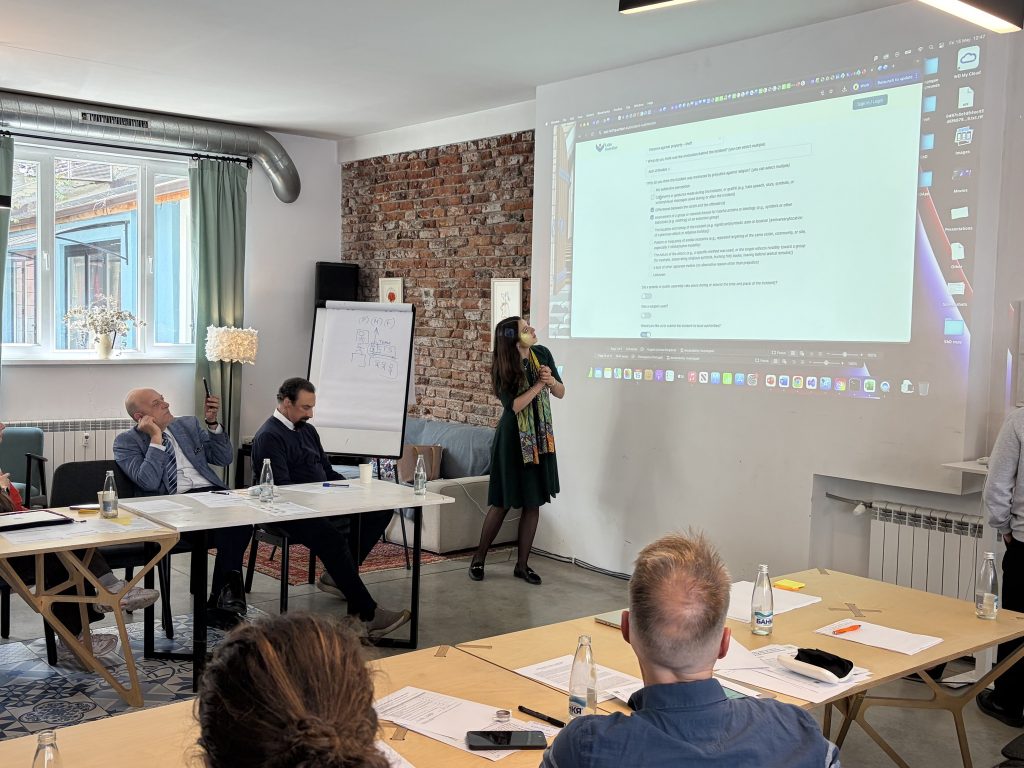
Besides, the ‘Faith Guardian’ mobile app was introduced, a PARTESS-COM platform that allows for secure incident reporting and direct connection with security experts across the EU. Along this tool, the workshop highlighted Crime Prevention Through Environmental Design (CPTED), a strategy that focuses on how the design of public spaces can naturally deter incidents and enhance safety through thoughtful urban planning rather than relying solely on high-cost surveillance or excessive public spending. 

To combat growing cyber threats against religious communities, PARTESS-COM builds multi-faith solidarity through institutional cooperation across Spain. The project advocates for a holistic security model involving physical, procedural, and regulatory safeguards. Success relies on the active collaboration of leadership, staff, and the congregation to ensure these protections are effectively managed and maintained.

Categories
News PARTES-COM EN

Free Training for Leaders of Religious Communities on Security and Incident Prevention in Granada (Spain)

Participation in the training is free of charge, although places are limited. Interested individuals can register through the following form:
https://forms.gle/Z11YACeySvFV2RxT8

The Euro-Arab Foundation for Higher Studies will hold a free training session on 16 April at its headquarters in Granada (C/ San Jerónimo, 27). The session is aimed at leaders of religious communities and will focus on preventive security and incident management. The activity is organised within the framework of the European project PARTESS-COM and is open to representatives of all religious denominations.

The training will be delivered by the specialized organization Enhancing Faith Institutions, which has extensive experience in training on community security and the protection of religious institutions. The event will be conducted in English and Spanish, with simultaneous interpretation to facilitate the participation of all attendees.

During the session, participants will address several key aspects related to the security of places of worship and community centers, including:

  • Concepts of preventive security
  • Development of crisis communication plans
  • Basic vulnerability assessment
  • Practical application of security resources
  • Reporting security incidents through a new digital platform
  • Exchange of good practices among religious communities

The objective of this session is to strengthen prevention and response capacities regarding security incidents, while also fostering cooperation between religious leaders, local communities, and security specialists.

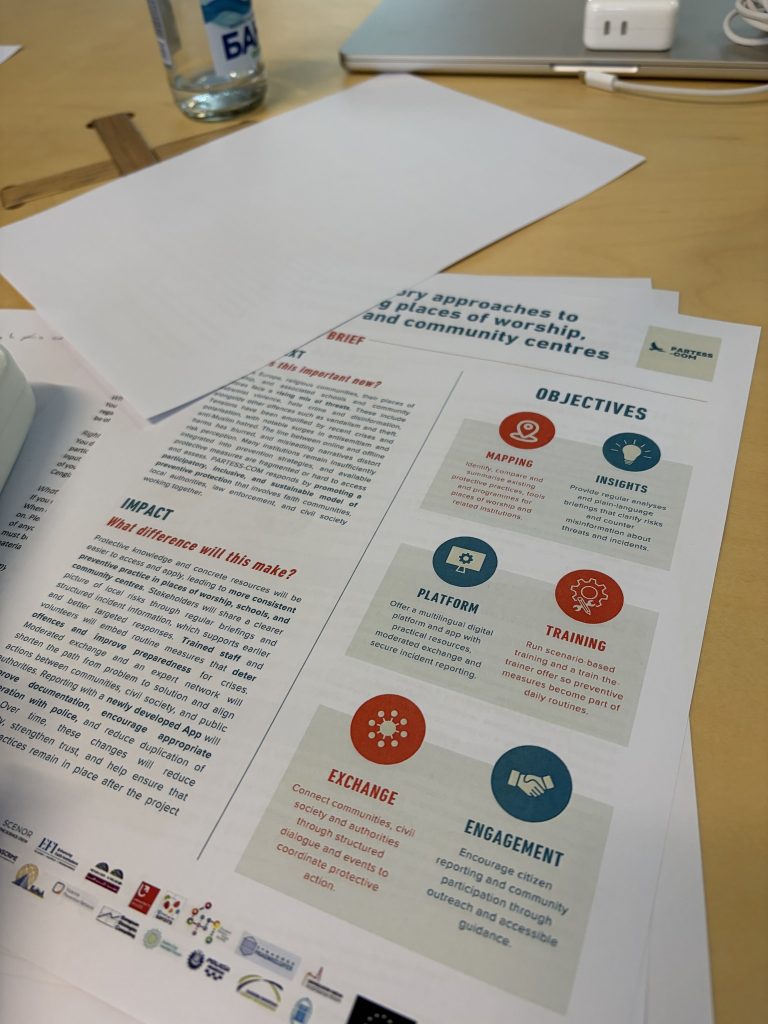
The PARTESS-COM project (“Participatory Approaches to Protect Places of Worship, Schools and Community Centres”), in which the Euro-Arab Foundation participates, works to prevent hatred, extremism, and terrorism by collecting good practices in preventive, protective, and reactive security. It also promotes the training of community representatives and law enforcement officers in their practical application.

As part of this initiative, the project has developed a European digital platform that brings together security resources, facilitates exchanges among religious leaders from different countries, and enables citizens to report security-related incidents in places of worship.

Participation in the training is free of charge, although places are limited. Interested individuals can register through the following form:


https://forms.gle/Z11YACeySvFV2RxT8

Categories
News PARTES-COM EN

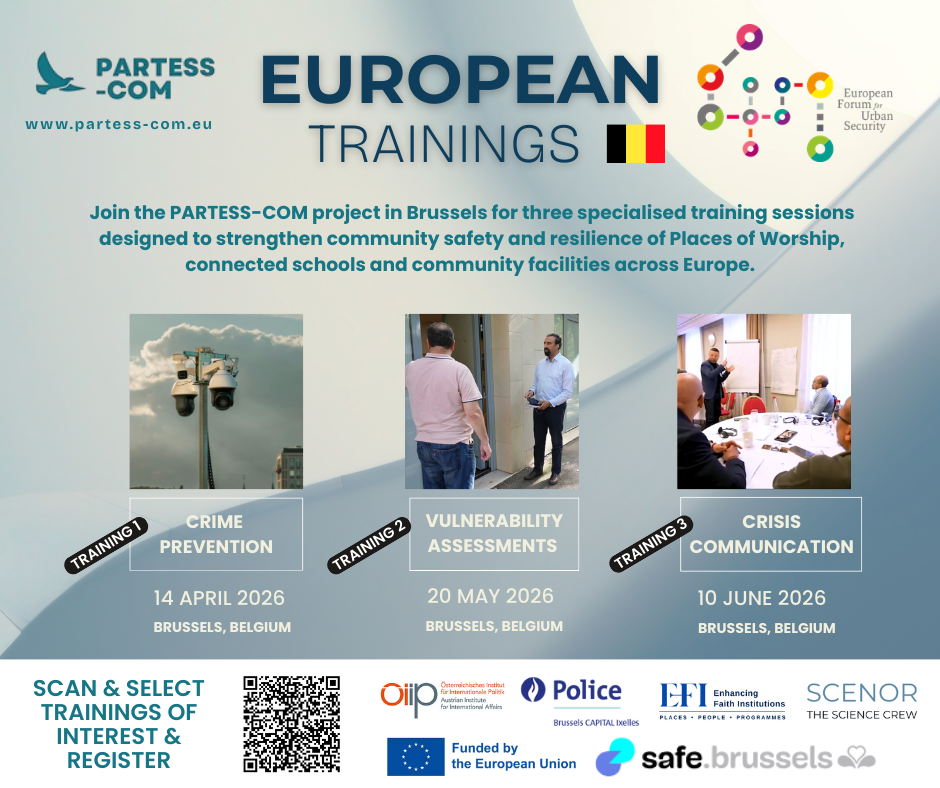
PARTESS-COM and EFUS present a series of European training sessions to strengthen security in public spaces

The PARTESS-COM project, in which the Euro-Arab Foundation participates, in collaboration with EFUS (European Forum for Urban Security) and with the support of the Brussels Police (PolBru) and safe.brussels, announces the launch of a series of European training sessions aimed at professionals interested in improving the security of public spaces and places of worship.

These training sessions aim to strengthen prevention, protection, and resilience capacities in the face of risks and threats that may affect gathering places and the public at large. The project promotes cooperation among local communities, authorities, and professionals to exchange promising practices and build effective strategies in the field of urban security.

The training series consists of three one-day in-person sessions to be held in Brussels throughout 2026:

  • From risk assessment to resilience: local crime prevention strategies for safer public spaces.
  • Protecting what matters: assessing and reducing vulnerabilities in places of worship.
  • Communication under pressure: managing communication before, during, and after a crisis.

The sessions will provide transferable tools and methodologies to develop approaches tailored to different environments and contexts, with particular attention to educational institutions and places of worship such as synagogues, mosques, or churches.

Practical information:

  • Session dates: April 14, May 20, and June 10, 2026.
  • Location: Brussels (Belgium).
  • Coverage: The project covers participants’ travel, accommodation, and subsistence costs.
  • Language: The sessions will be conducted primarily in English, with possible simultaneous interpretation into French.
  • Registration: Registration (via this link) does not guarantee participation. Final selection will aim to ensure balanced representation among stakeholder groups, geographical areas, and available places.

This training cycle represents a unique opportunity for local officials, law enforcement representatives, community leaders, and civil protection professionals to update their knowledge and share experiences in a European context.

Categories
News PARTES-COM EN

The Euro-Arab Foundation takes part in a European Panel on the Protection of Places of Worship and Religious Communities

On 12 December, the Euro-Arab Foundation for Higher Studies took part in the online panel “Protection of Places of Worship and Religious Communities as Critical Infrastructure”, organised by the Austrian Institute for International Affairs (oiip) in cooperation with the University for Continuing Education Krems (UWK) and the European project PARTESS-COM.

The panel brought together researchers and practitioners from different European countries to analyse the current threat environment affecting places of worship and religious communities, which are increasingly exposed to acts of extremism, hate crime and ideologically motivated violence. In this context, religious spaces were addressed as critical infrastructure requiring greater attention in terms of security and resilience.

The Euro-Arab Foundation was represented by José Luis Salido, researcher and project coordinator who highlighted the importance of comprehensive prevention approaches based not only on physical security measures, but also on soft security strategies, community engagement, and improved communication channels between religious communities, local authorities and security actors.

During his presentation, Salido analysed the current global threat landscape and presented the results of a study based on the analysis of 25 hate crime case studies across 13 European countries, highlighting that places of worship and related spaces have become critical targets. Salido delved into the ideological and strategic characteristics of the extremist groups perpetrating these attacks, warning that the transition from hate speech to physical aggression is a growing concern that demands a coordinated response between local authorities, national governments, and European Union institutions

The participation of the Euro-Arab Foundation in this panel reinforces its commitment to applied research, intercultural dialogue and the prevention of violent extremism, in line with its work on European projects focused on social cohesion and democratic security.

The panel was held within the framework of the European project PARTESS-COM, an initiative funded by the European Commission in which the Euro-Arab Foundation is a partner. The project aims to improve the protection of places of worship and religious communities against terrorist and extremist threats by fostering cooperation, communication and trust among religious actors, public authorities and security forces. It promotes preventive and participatory approaches, as well as the development of practical tools and recommendations to strengthen security without compromising fundamental rights or social cohesion.

More information about the event:
https://www.oiip.ac.at/events/online-panel-discussion-protection-of-places-of-worship-and-religious-communities-as-critical-infrastructure/

Categories
EN PARTES EN Shield News PARTES-COM EN Projects

Promoting Interreligious Dialogue in the Training of High-Ranking (Spanish) Civil Guard Officials

The Euro-Arab Foundation for Higher Studies has collaborated in the organisation of a key training session for the University Master’s Degree in Intelligence and Counter-Terrorism at the Civil Guard University Centre. Titled “Interreligious Dialogue Panel: Coexistence, Security, and Cooperation,” the session was dedicated to delving into interreligious dialogue and the challenges of democratic coexistence in a context of growing diversity in Spain.

The session, driven by the Islamic Commission of Spain (CIE) with the collaboration of the Euro-Arab Foundation, was held in person at the headquarters of the Civil Guard Orphans Association (APHGC) and is positioned as a strategic high-level space for the exchange of ideas among actors with public decision-making capacity.

A Strategic Forum for Security and Coexistence

The meeting was aimed at the Master’s students, a multidisciplinary profile that includes high-ranking Civil Guard officials, as well as professionals from the judiciary, ministries, security agencies, and penitentiary institutions. The participation of the Euro-Arab Foundation in this forum underscores its experience and institutional relevance in training management personnel on sensitive issues such as diversity management, the fight against extremism, and the promotion of social peace.

The roundtable panel featured the presence of prominent religious denominations in Spain, such as the Spanish Episcopal Conference, the Federation of Jewish Communities of Spain, and the Islamic Commission of Spain (CIE).

Reflections on Social Cohesion and Diversity

The Islamic Commission of Spain (CIE) was represented by Hicham Oulad Mhammed, a CIE member and expert in interreligious dialogue. During his intervention, he highlighted the need to address the growing social polarisation and the negative impact of hoaxes and narratives that seek the “foreignisation” (“extranjerización”) of Muslim communities in Spain, denying their deep historical roots.

Other key points of his presentation included:

  • The promotion of the positive visibility of Muslims and the importance of Islamic thought being expressed in the Spanish language, while acknowledging the new challenges this generates in the face of intolerance.
  • The recognition of the Spanish legal framework on religious freedom (Law 26/1992) as one of the most advanced, along with the need to improve its practical implementation at the local level.

Hicham Oulad Mhammed stressed that “social cohesion is not built by denying difference, but by integrating it within a framework of mutual respect and real equality,” appealing to the active role of institutions in defending constitutional values.

The Euro-Arab Foundation’s collaboration in the organisation of this event reaffirms its institutional commitment to inter-sectoral cooperation and civic education. By facilitating these high-impact meetings, it directly contributes to the strengthening of interreligious dialogue as an essential tool for democratic coexistence and the prevention of discourses that erode social peace among the State Security Forces and Corps and other key public institutions.

Categories
EN PARTES News PARTES-COM EN Projects

PARTES Project Concludes, Evolves into PARTESS-COM

On June 16, the PARTES project culminated in its final conference in Vienna, gathering researchers, faith-community representatives, and security experts. Over its two-year duration, the project focused on protecting places of worship. It was made possible by financial support from the European Commission’s Internal Security Fund (ISF) and saw fifteen partners from ten European countries collaborate on this vital initiative.

The European Commission’s DG Home’s representative underscored the crucial role of Union Actions projects, like PARTES, in tackling transnational issues affecting the entire EU. At its core, PARTES aimed to bolster the protection of places of worship by fostering a deeper understanding of violent extremism and its potential impact. Its six key objectives included mapping threats, assessing vulnerabilities, and facilitating the exchange of best practices among diverse religious communities.

A critical aspect addressed was online threats, with a presentation by SCENOR detailing how extremist organizations exploit digital platforms to spread right-wing hate. This analysis revealed a significant shift in strategy: unlike in the past, these groups now actively conceal their true ideologies and objectives by masking their hate. This tactic allows them to evade moderation and reach a broader audience.

The project also introduced the “PARTES Guardian approach,” which prioritizes engaging faith communities and incorporating their concerns to ensure protective measures are culturally and spiritually appropriate. To further support these efforts, PARTES developed 23 “action sheets” – practical, step-by-step best practices gathered from 10 partners, covering areas like interfaith dialogues and mental health crisis guidelines. The conference concluded with acknowledgements to the dedicated team members, technicians, and security personnel who contributed to its success.

Euro-Arab Foundation Article Highlights Rising Vulnerability to Hate Crimes

During the final event of PARTES, the Euro-Arab Foundation, José Luis Salido Medina, exposed the results of his research on Extremism and Places of Worship: Analysis of Strategies and Ideological Motivations, conducted as part of the project. The article examines the increasing vulnerability of religious communities to hate crimes driven by extremist narratives. It presents findings from an analysis of 25 case studies of hate crimes and violent attacks across 13 European countries.  The research delves into the ideological and strategic characteristics of extremist groups involved, considering factors such as the perpetrator’s ideology, the nature of the attack, online/offline dimensions, and the presence of manifestos.

The final event of the PARTES project marked a significant milestone, signalling its transformation into PARTESS-COM. This evolution is a testament to the substantial work accomplished and the robust networks established during the project’s tenure.

Categories
News PARTES-COM EN

PARTESS-COM, a participatory project to protect freedom of religion, begins

Recently, PARTESS-COM, a project co-funded by the European Commission with a consortium of 15 European entities, including the Euro-Arab Foundation for Higher Studies, was launched. The project, led by the Austrian Institute for International Affairs, will run for two years and its main objective is to improve the security of religious communities (including places of worship and assembly) and educational institutions by compiling a knowledge platform with complex, adaptive and inclusive security concepts, based on state-of-the-art practices.

The project contributes directly to mitigating populism, extremism and terrorism by compiling good practices in preventive, protective and reactive security, and training community representatives and security forces in their practical application. In addition, it will play a role in disseminating the knowledge gained to the general public through a European campaign supported by multiple smaller campaigns on social media, adopting an approach that engages the whole of society.

The role of the Euro-Arab Foundation

Religious communities and their places of worship specifically enjoy an even higher strategic priority given their centrality in many socio-political conflicts, which justifies the creation of the EU strategy to combat anti-Semitism and promote Jewish life in 2021, and the position of ‘Coordinator for Combating Anti-Muslim Hatred’ in 2015. The project also responds to the Commission’s recent call for action ‘No place for hate: a Europe united against hate’, helping to defend European values and social peace through interfaith cooperation.

The Euro-Arab will lead work package 2 of the project, which consists of identifying, systematising and assessing effective security concepts, tools, programmes and solutions for the protection of places of worship, religious educational institutions and communities. The aim is to provide stakeholders with effective access to knowledge and sources, empower them and actively involve them.

The Euro-Arab Foundation previously participated in the PARTES project, the prelude to the present PARTESS-COM project, and will therefore transfer the experience and knowledge acquired during its development. This previous participation will allow it to bring an informed and strategic vision to the new project, facilitating the identification of good practices and overcoming possible challenges. His experience in the field of child protection and child protection in the EU will be a valuable asset for the project.