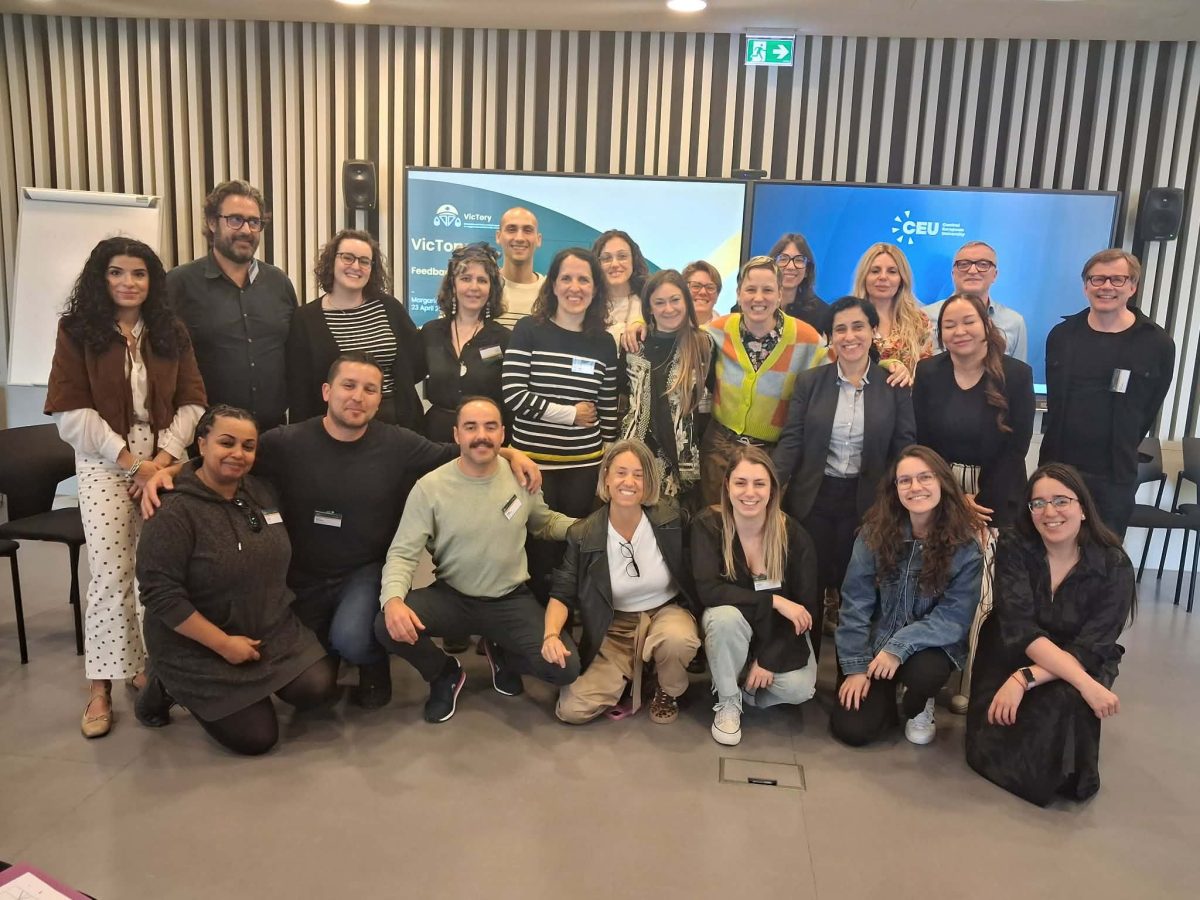
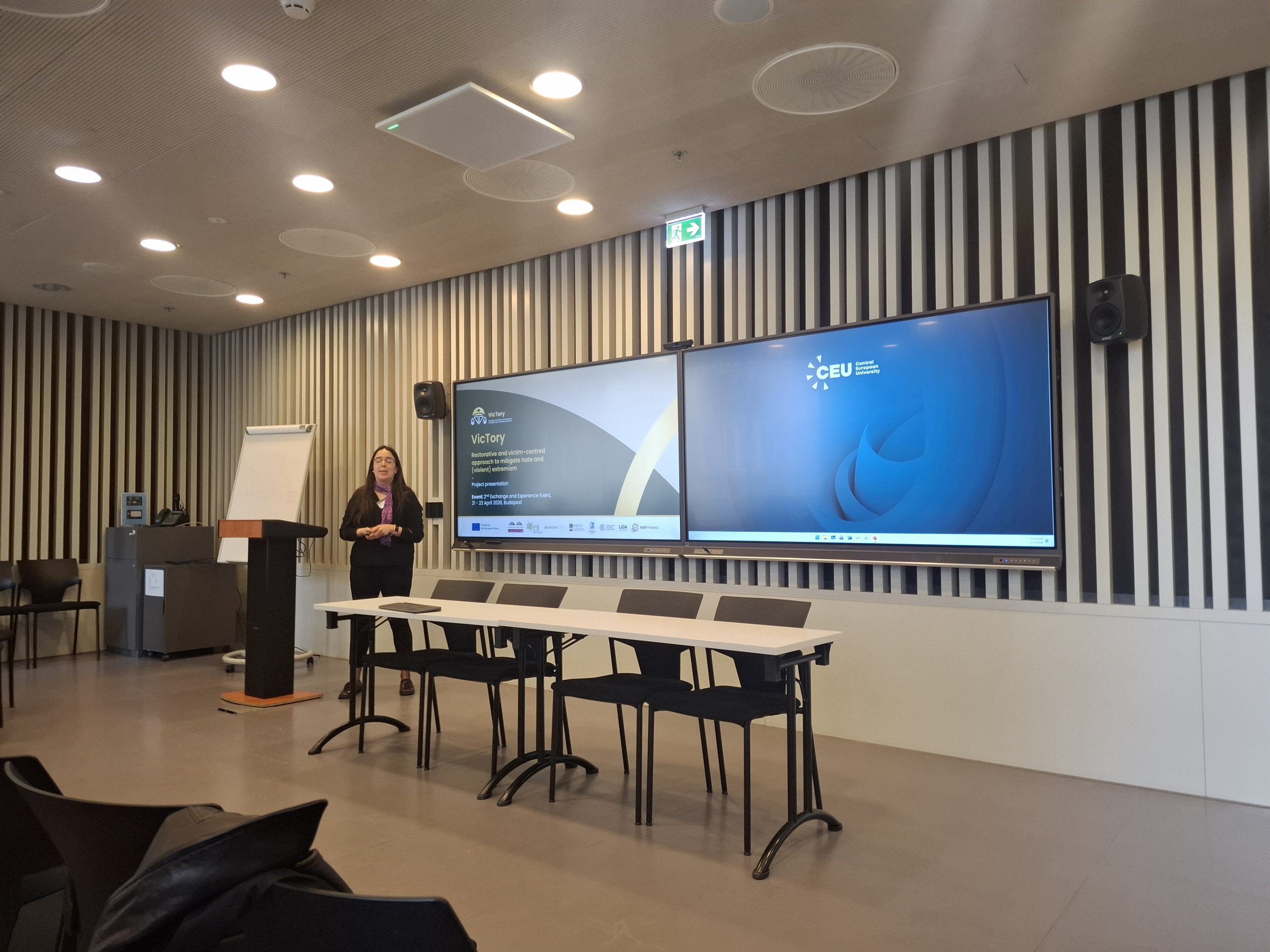
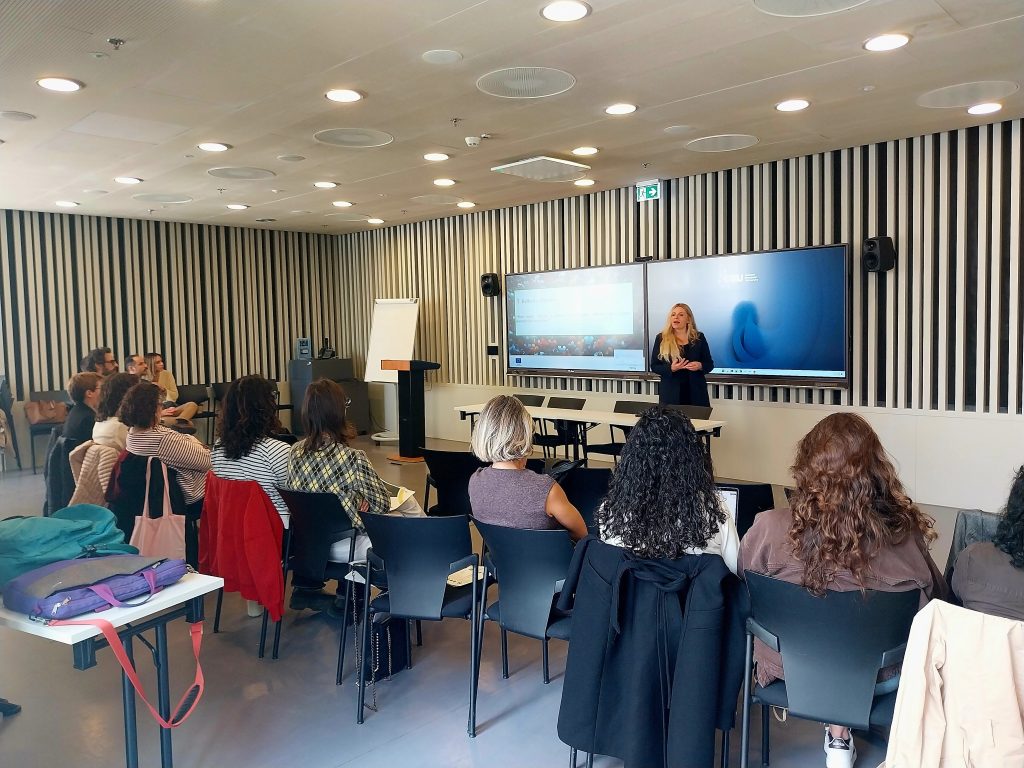
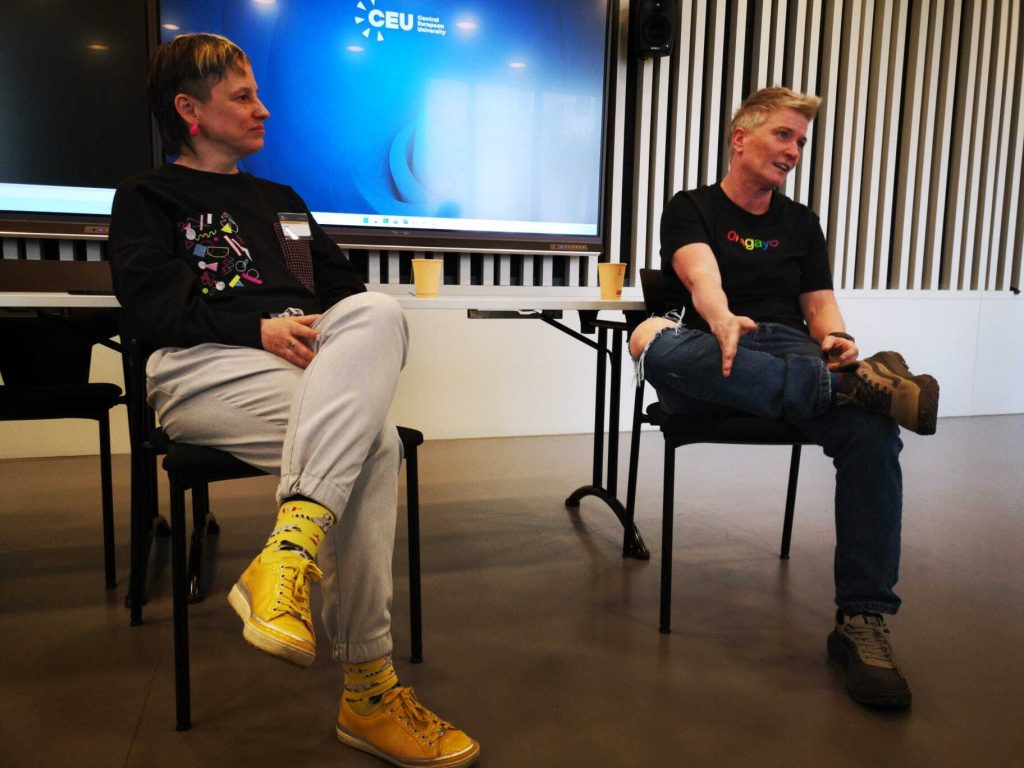
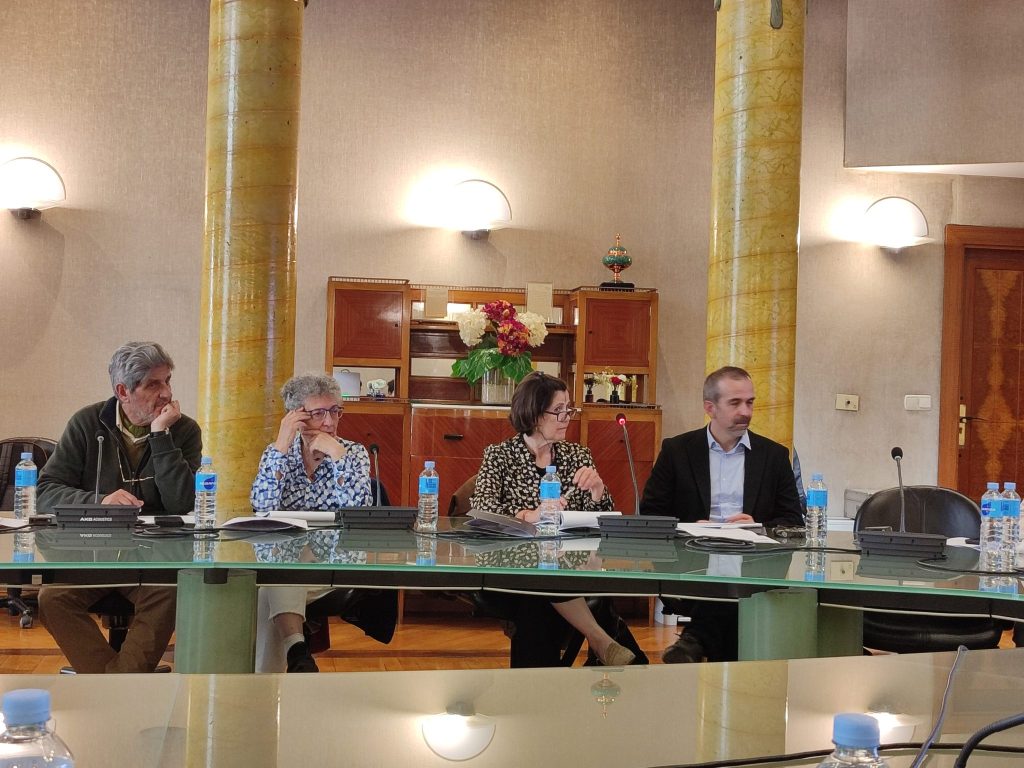
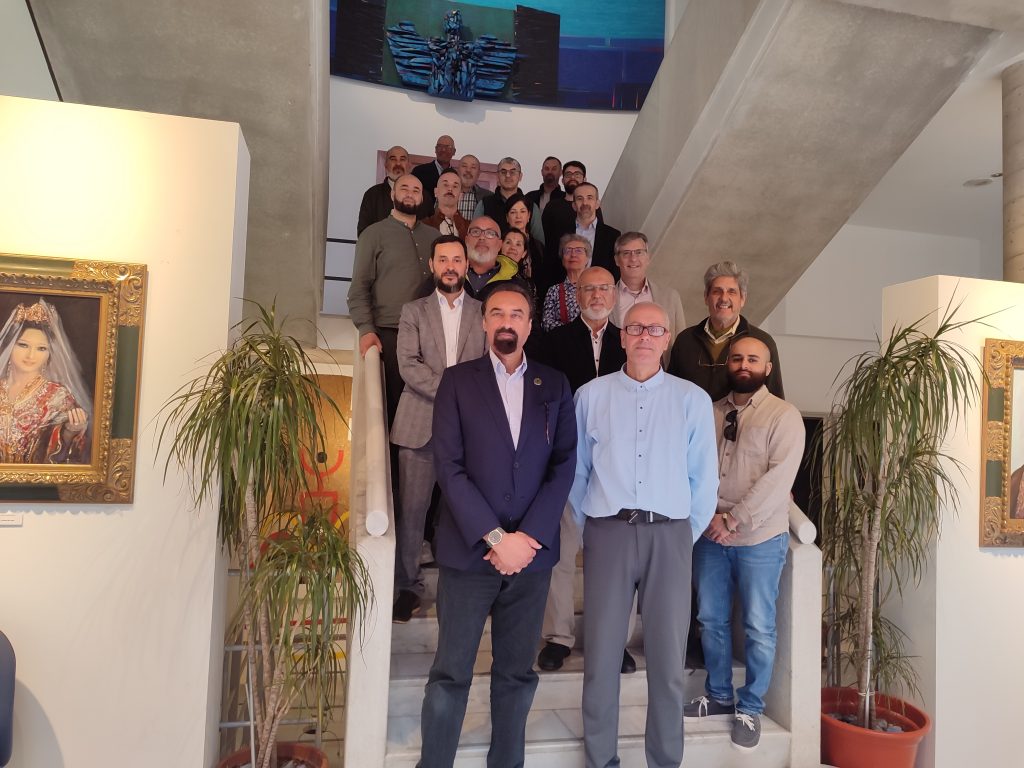
The researcher from the Euro-Arab Foundation, Rascha Albaba Acosta, took part from April 21 to 23 in the second in-person training session of the VicTory project, held in Budapest and hosted by the Hungarian Helsinki Committee.
Over three working days, around 30 participants from various European countries (Italy, Spain, Finland, Hungary, and Portugal) came together to address strategies aimed at preventing secondary victimisation in cases of hate crimes and violent extremism within the criminal justice process. The meeting brought together professionals who work directly with victims, both from public administrations and NGOs, as well as representatives of law enforcement agencies.
Rascha Albaba, researcher at the Euro-Arab Foundation, during her presentation.
The sessions focused on key aspects such as the traumatic and psychosocial impact on victims, emotional support and mental health, and the importance of effective and inclusive communication. In this regard, the need to promote victim-centered communication—clear, accessible, empathetic, and tailored to their needs—was emphasized. Likewise, the fundamental role of trust and active listening in professional intervention was highlighted, especially in complex contexts such as hate crimes and extremism.
Another main focus was mental well-being, not only of victims but also of the professionals who support them, underscoring the importance of making this approach a priority in support services.
This meeting constitutes the second of three training sessions planned by the VicTory project, of which the Euro-Arab Foundation is a member. The project aims to strengthen the capacities of key professionals working with victims. The next session will take place in Finland, where the potential of restorative practices will be explored.
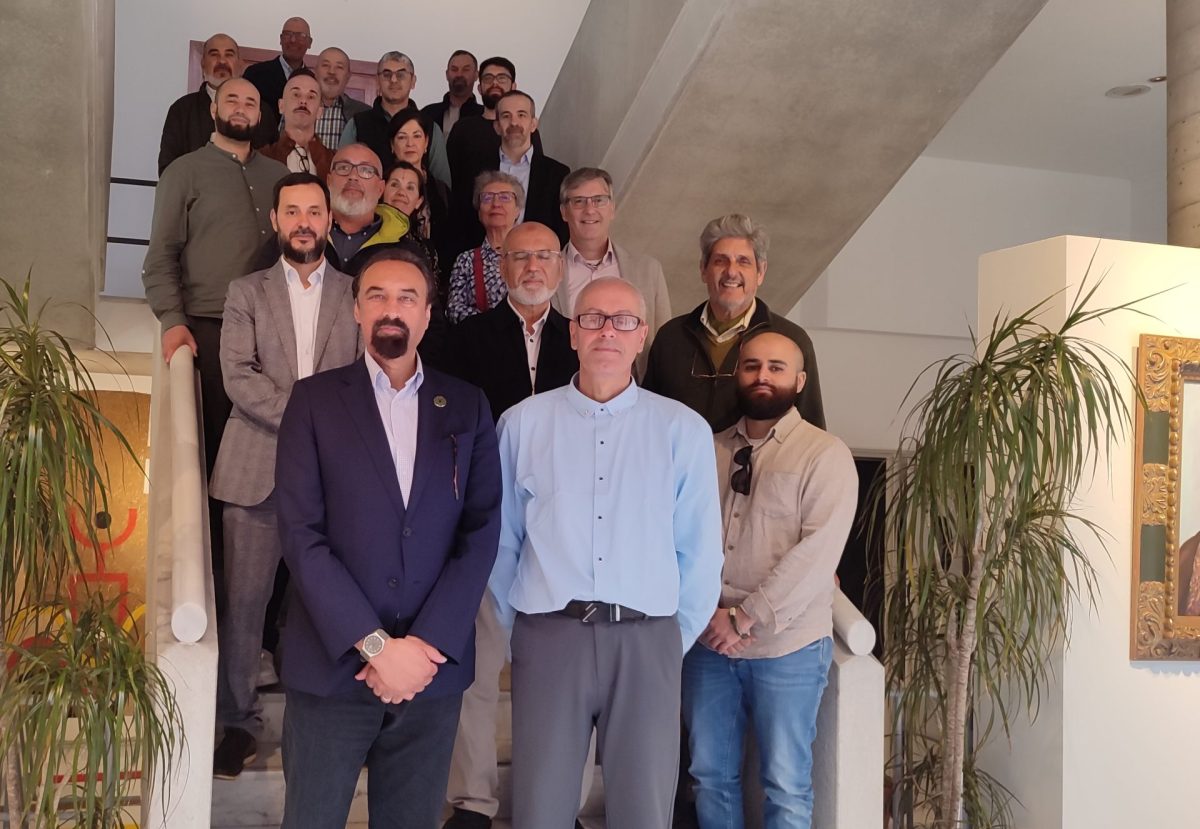
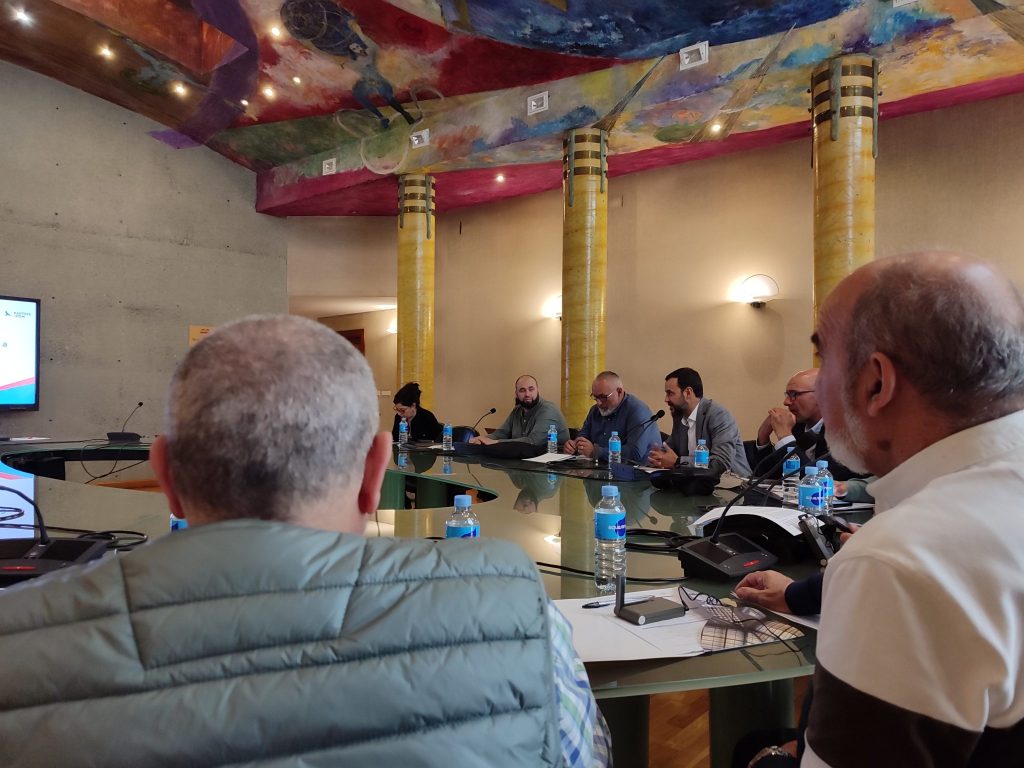
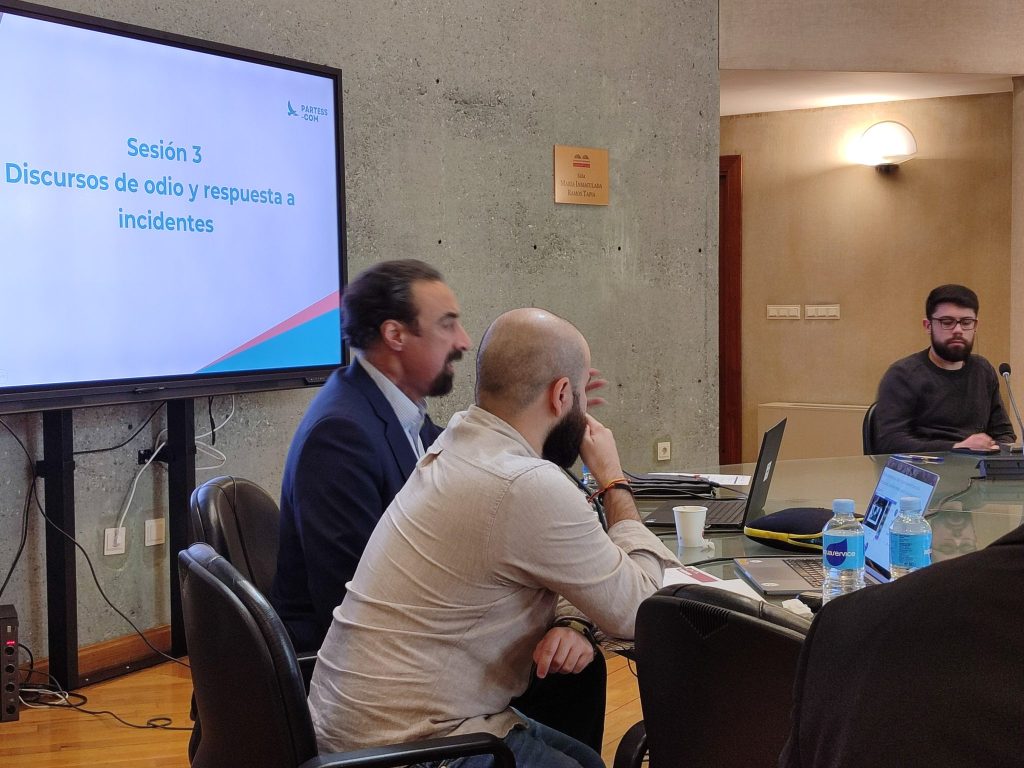
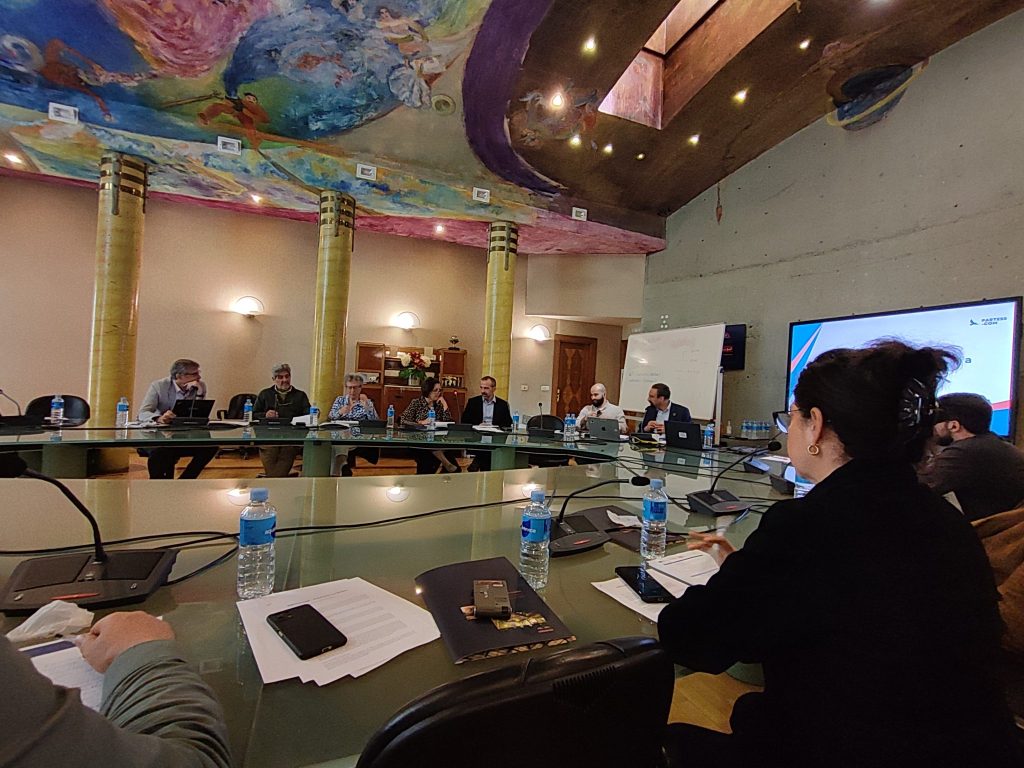
On April 16, the Euro-Arab Foundation for Higher Studies in partnership with Enhancing Faith Institutions , organised a training workshop for religious leaders on preventive security and incident management. This activity was part of the EU-funded project PARTESS-COM, which involves the Euro-Arab Foundation, eighteen European research organisations, as well as security agencies and religious communities from 12 countries.
The workshop brought together worship leaders, law enforcement, local authorities and security experts through local trainings for multi faith religious leaders, simulation exercises and collaboration across Europe. The program aimed to cover potential security breaches, but also to provide pragmatic tools to ensure places of worship protection. It offered concrete examples on the detection of security breaches and pointed out their prevalent effects on the religious communities, and how to report to police stations as well as estimated time responses by authorities.
Besides, the ‘Faith Guardian’ mobile app was introduced, a PARTESS-COM platform that allows for secure incident reporting and direct connection with security experts across the EU. Along this tool, the workshop highlighted Crime Prevention Through Environmental Design (CPTED), a strategy that focuses on how the design of public spaces can naturally deter incidents and enhance safety through thoughtful urban planning rather than relying solely on high-cost surveillance or excessive public spending.
To combat growing cyber threats against religious communities, PARTESS-COM builds multi-faith solidarity through institutional cooperation across Spain. The project advocates for a holistic security model involving physical, procedural, and regulatory safeguards. Success relies on the active collaboration of leadership, staff, and the congregation to ensure these protections are effectively managed and maintained.
The Faculty of Political Science and Sociology at the University of Granada hosted the final conference of the European project Hatedemics last Thursday, March 26. After two years of international cooperation, the event served to present technological tools and innovative pedagogical strategies designed to shield democratic societies against the growing threat of harmful online content.
The inaugural session—moderated by Sara Afendi, project coordinator at ALDA—highlighted Granada’s role as a bridge for dialogue. Antonio Sánchez Ortega, Executive Secretary of the Euro-Arab Foundation, emphasized the project’s relevance for social cohesion:
“One of the main dangers to democracy is the hatred of speech and disinformation. This project is fully aligned with our goals of fostering collaboration between the two shores of the Mediterranean, the European world, and the Arab world,” stated Sánchez Ortega, who further stressed that Hatedemics is, above all, “a tool for democratic defense that connects research with public action.”
Along the same lines, the Vice Dean of the Faculty, Guadalupe Martínez Fuentes, warned that affective polarization is the ideal breeding ground for hate, while Antonella Valmorbida, Secretary General of ALDA (European Association for Local Democracy), described the current digital landscape as a “perfect storm” eroding the foundations of institutional trust.
The session featured a special intervention by Martin Sacleux (via online), Policy Officer at the European Commission (DG Justice), who reaffirmed the Union’s support through the CERV program (Citizens, Equality, Rights and Values): “Regulation is not enough; success depends on empowering civil society with practical tools and training like those we are presenting today.”
From the Lab to Social Action
One of the key moments was the panel “The Hatedemics Trajectory: From Research to Action,” moderated by the Director of Public Research at the CENTRA Foundation, Tristán Pertíñez Blasco. In this space, experts such as Javier Ruipérez Canales (Director of Research and International Projects at the Euro-Arab Foundation and Director of Strategic Communication at the European Commission’s EU Knowledge Hub), Marco Guerini (Fondazione Bruno Kessler and project coordinator), and Arije Antinori (Sapienza Università di Roma) debated the need to adapt social research methodologies to the breakneck pace of the digital ecosystem. The speakers agreed that online polarization and social reality are communicating vessels that require coordinated responses.
Another strategic axis of the day was the debate on “Building a Safer Digital Public Sphere,” a panel that analyzed global challenges in network security and extremism prevention. The panel included international leading voices such as Zahed Amanullah from the Institute for Strategic Dialogue (ISD), Andrew Staniforth from SAHER (Europe), Lucía Alonso, researcher at the Euro-Arab Foundation, and Francesca Capoccia from FACTA.
The speakers agreed that digital security is not just a technological challenge, but a democratic imperative. During the session, it was emphasized that, given the sophistication of hate campaigns, it is essential to strengthen civil society resilience, protect the work of journalists, and provide institutions with rapid response capabilities that protect fundamental rights without compromising freedom of expression.
The final conference also focused on the presentation of the Hatedemics Platform, an AI-based solution designed to detect and neutralize hate narratives. The unveiling of this tool—currently in the pilot phase—featured Eladia Illescas, Deputy Director of Research and Knowledge Transfer at CENTRA, alongside European partners such as Maryna Manchenko (CESIE), Jan Dąbkowski (CEO), Racheal Scicluna (SOS MALTA), Helena Bonaldi (FBK), and Vivian Rangel (Maldita.es), moderated by José Luis Salido Medina (Euro-Arab Foundation).
A Consortium of European Impact
The day concluded with a recognition of the efforts of the consortium led by Fondazione Bruno Kessler, which includes key partners such as the Euro-Arab Foundation for Higher Studies, the Center for Andalusian Studies (CENTRA), Maldita.es, ALDA, and various organizations from Poland, Italy, and Malta.
The conclusion of Hatedemics in Granada does not mark an end, but rather the beginning of a new stage of collaboration to integrate new voices and perspectives in the defense of a safer and more resilient digital public sphere.