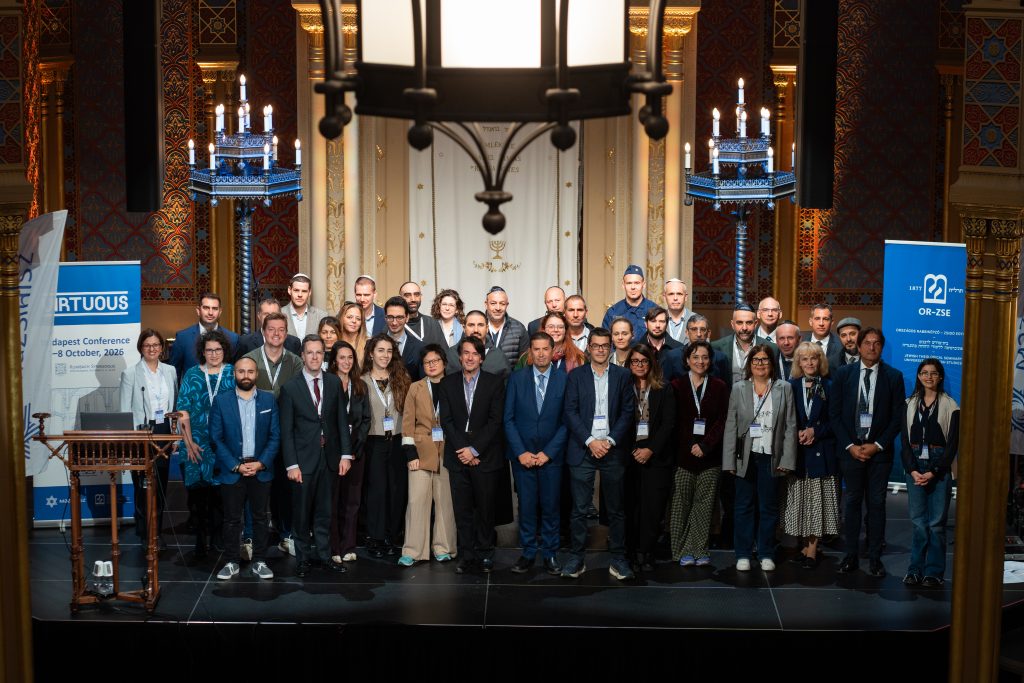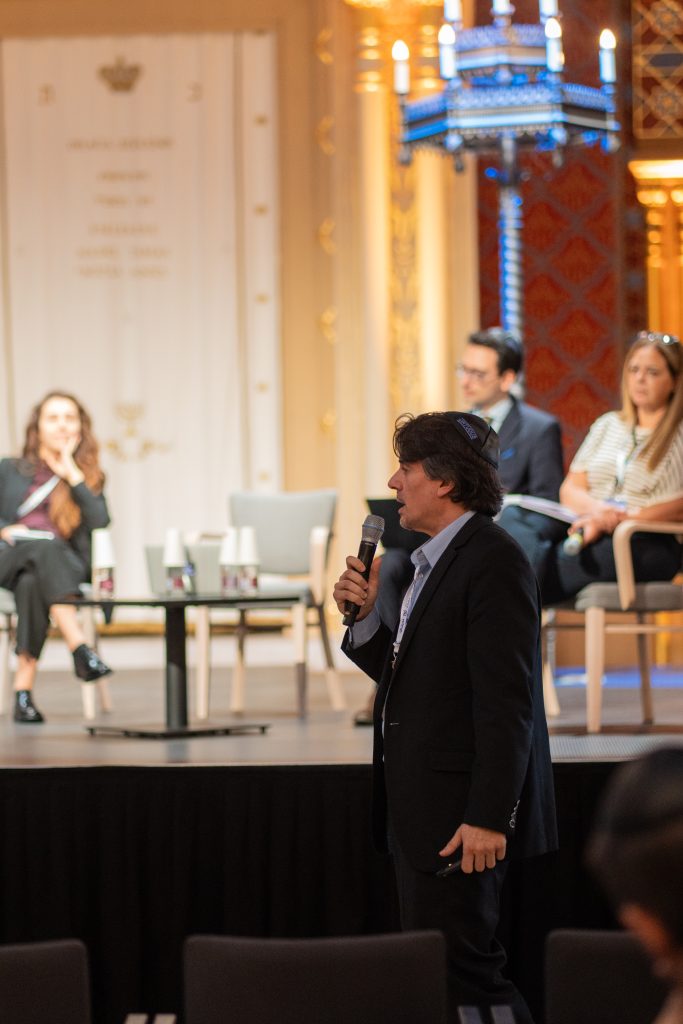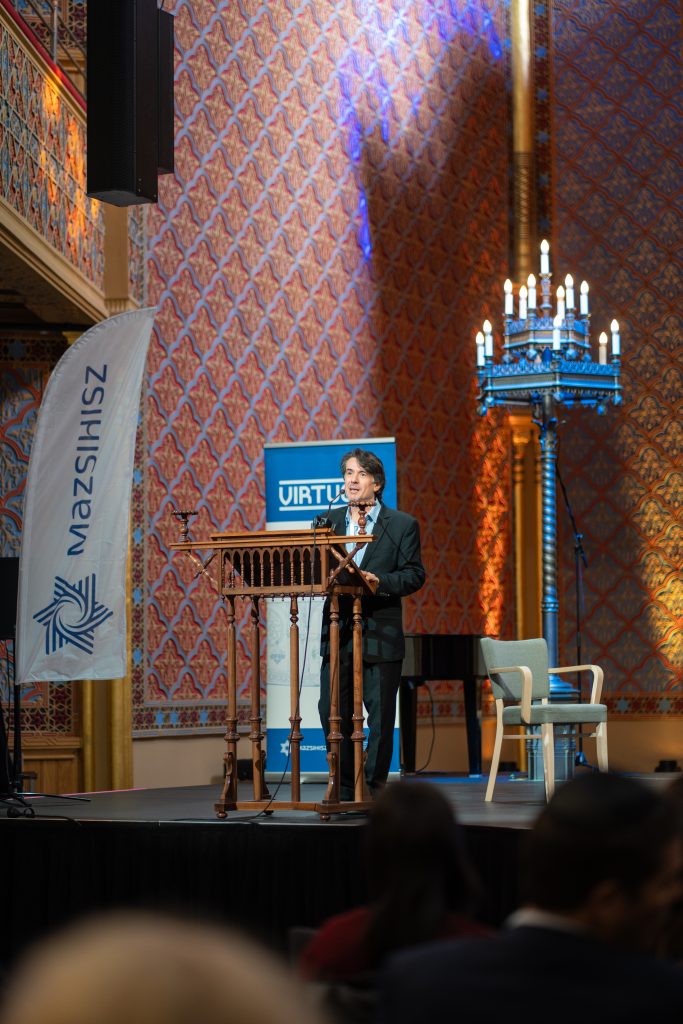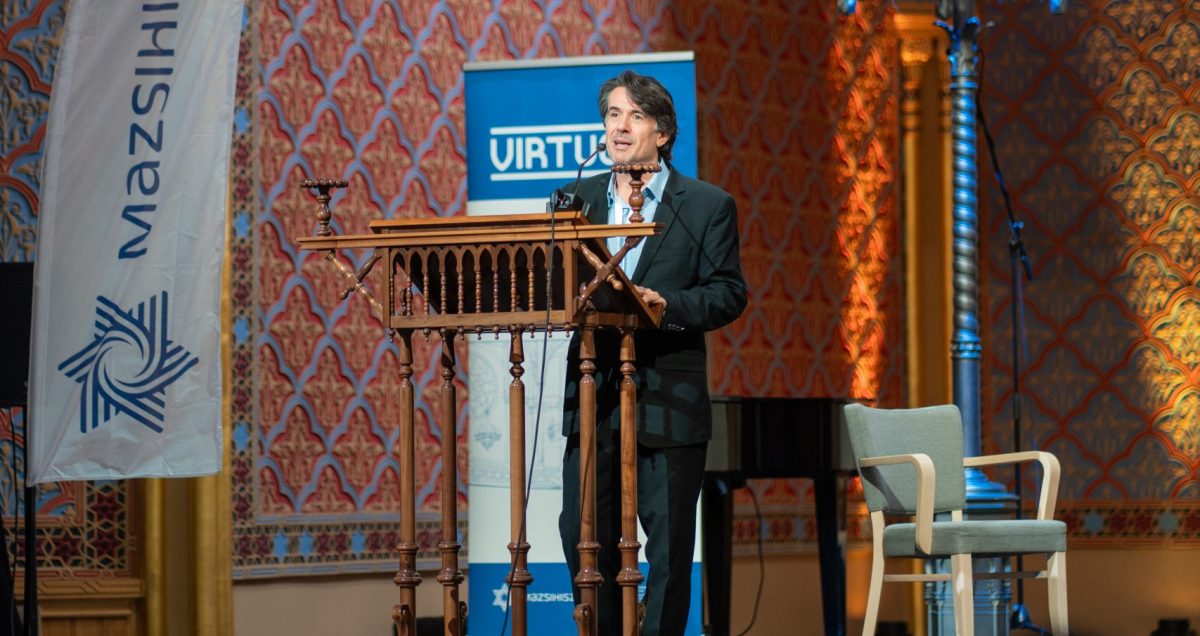
On 7 October, José María González Riera, Deputy Director of the Research and Projects Department at the Euro-Arab Foundation, presented the main findings of the study on attacks against places of worship carried out within the VIRTUOUS project. Two comprehensive quantitative and qualitative analyses identified the patterns observed between 1980 and 2025, current trends and potential future risks. The results, coordinated and supervised by the Euro-Arab Foundation, were presented at the official opening of the VIRTUOUS conference in Budapest, in the presence of senior representatives of the Hungarian government, members of the Hungarian academic community and representatives of the United Nations.
The Euro-Arab Foundation shared the most relevant and recurrent findings of the research conducted by the VIRTUOUS consortium, which brings together 21 organisations from 11 countries. The analyses supervised by González Riera for Christian, Jewish and Muslim communities provided the basis for applying the Building Information Modelling (BIM) system to the protection of places of worship. This approach relies on a collaborative methodology that preserves the spatial openness of these sites and respects their primary functions, while integrating up-to-date security measures into the building.
“Although case study analyses have been carried out for each religious community, the commonalities detected are cross-cutting, and the adaptation is made according to the characteristics and resources of each place of worship.” José María González Riera, The Euro-Arab Foundation
Ignacio Ibáñez, Head of the United Nations Office of Counter-Terrorism in Spain, endorsed the assessment presented by the Foundation. He underlined the importance of sustained cooperation among public authorities, institutions, security forces and religious communities to ensure effective prevention of risk situations. Ibáñez also highlighted the role of cybersecurity, noting that data breaches affecting worshippers can expose their identities and make them potential targets of attacks.
“Maintaining a relationship with communities is not only about communicating when there is a risk situation, but also about asking communities what they need and informing them of how they can be helped.” Ignacio Ibáñez, United Nations
Public innovation laboratories
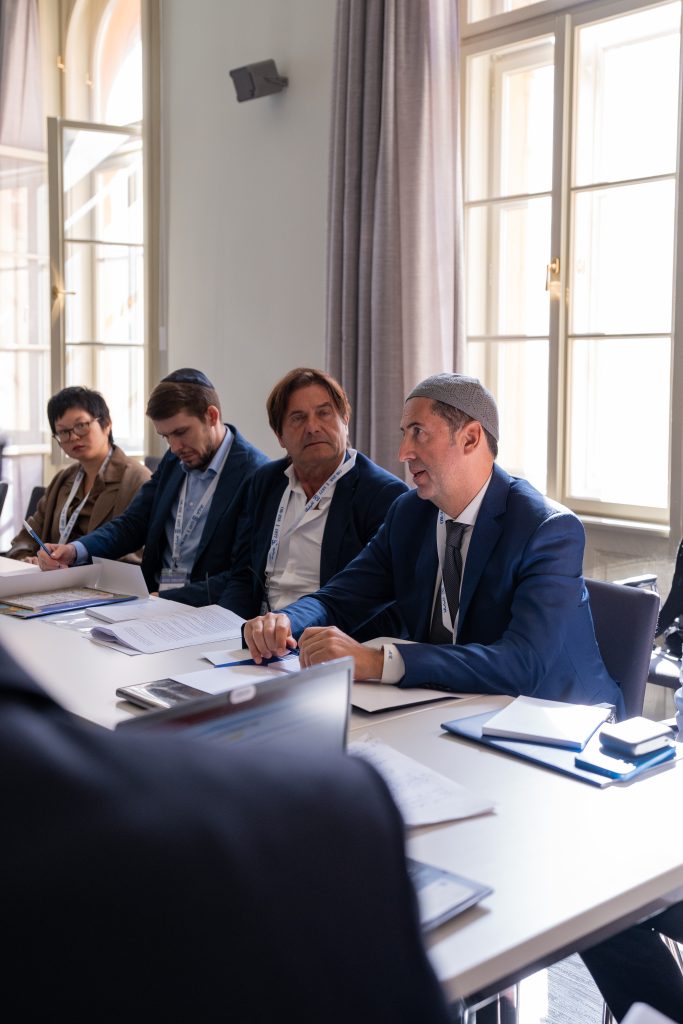
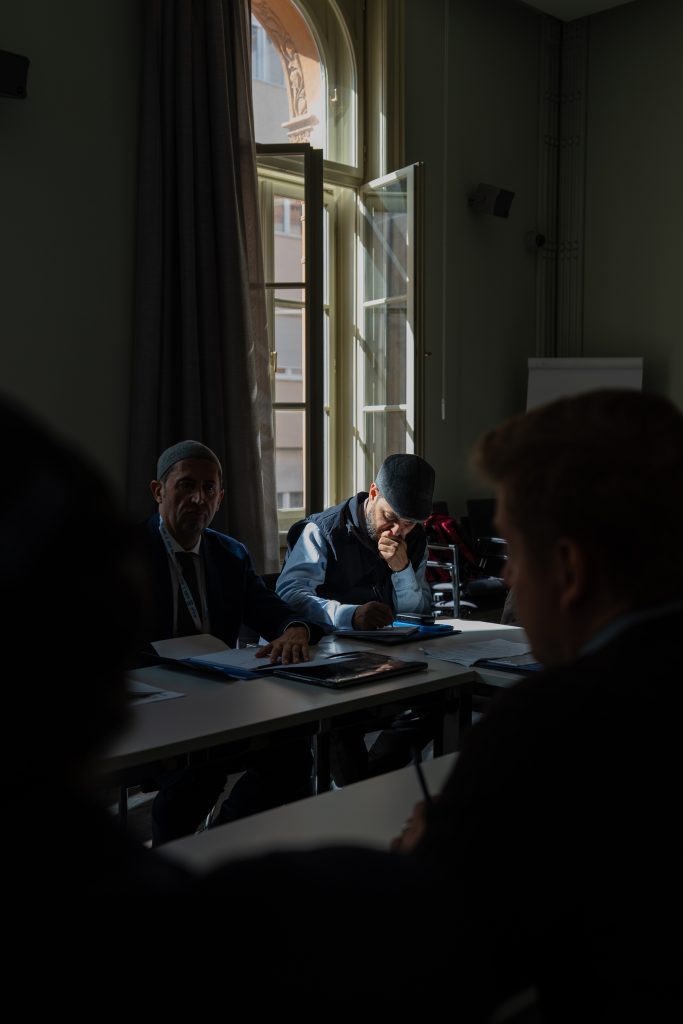
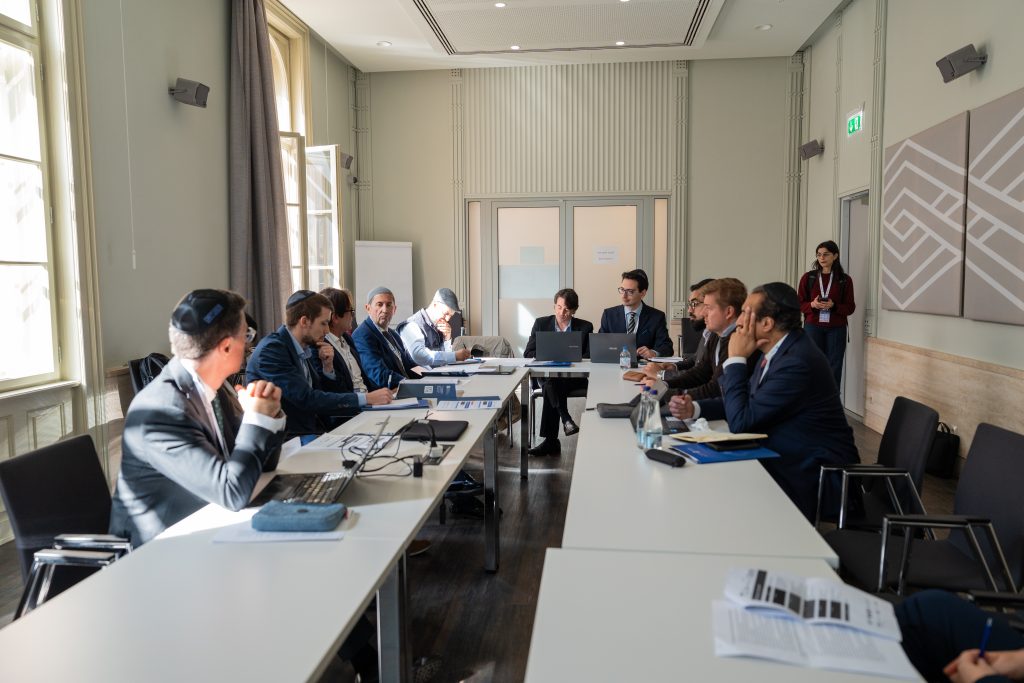
During the Budapest conference, the Euro-Arab Foundation facilitated the second session of the public innovation laboratory with Muslim communities. The first part examined potential threats to places of worship in greater depth, while the second focused on lessons learned and on strategies for preparing for crisis and emergency situations.
Representatives of the United Nations and the Hungarian government took part in the session and put forward possible avenues for institutional support to these communities. In the joint session with Christian, Jewish and Muslim communities, the contributions of religious leaders were compared and discussed. They were followed by the perspective of law enforcement, with participation from the Budapest Police and the Greek Police, as well as experts in technological security measures.
Debate and Future lines of research
Experts and law enforcement representatives raised key questions, including where to draw the line between prevention and racial profiling when reporting suspects, and how to measure the effectiveness of prevention when its success is defined by the absence of attacks. These questions open new lines of research for the project.
In the final panel discussion, the Euro-Arab Foundation and the other consortium partners responsible for the public innovation laboratories with Christian and Jewish communities shared the new questions that emerged during the sessions, with a view to examining them further. According to González Riera, the main issues included the tendency of some Muslim communities to keep a low profile in order not to stand out from their surroundings and thereby avoid becoming a target, the type of buildings, which makes them harder to protect, and the lack of institutional recognition of certain sites as places of worship in some European countries.
The closing session concluded that dialogue is one of the founding values of the European Union, and that security is not an exact science: it has psychological dimensions and is a complex matter shaped by many factors. In this context, establishing institutional processes that address specific situations and are sustained over time is essential.