Categories
News PARTES-COM EN

PARTESS-COM Trains Religious Leaders and Civil Society in Sofia (Bulgaria)

19 participants from Sofia, Plovdiv, Varna, Burgas, and Bratislava

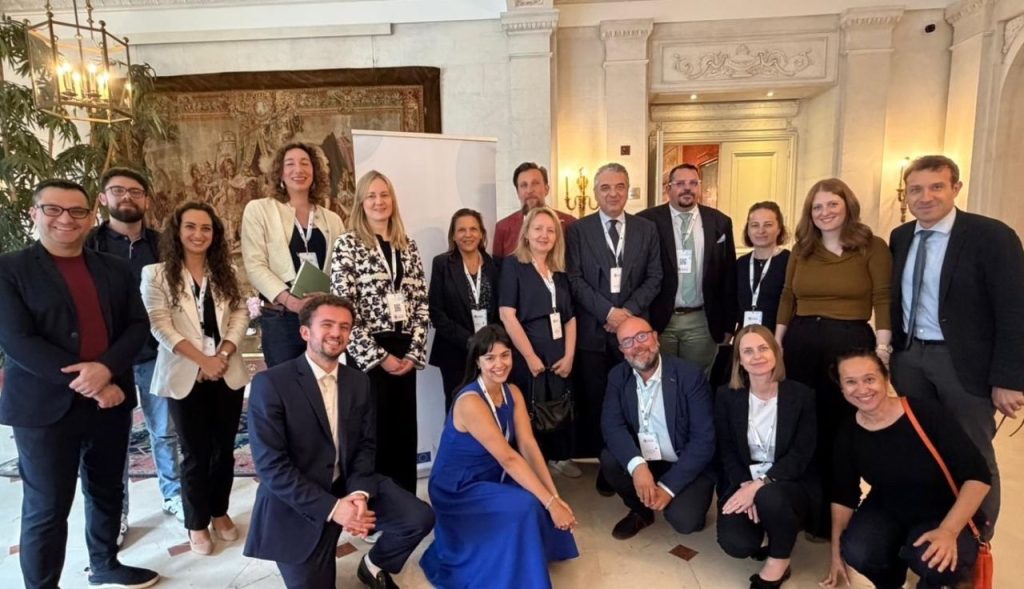
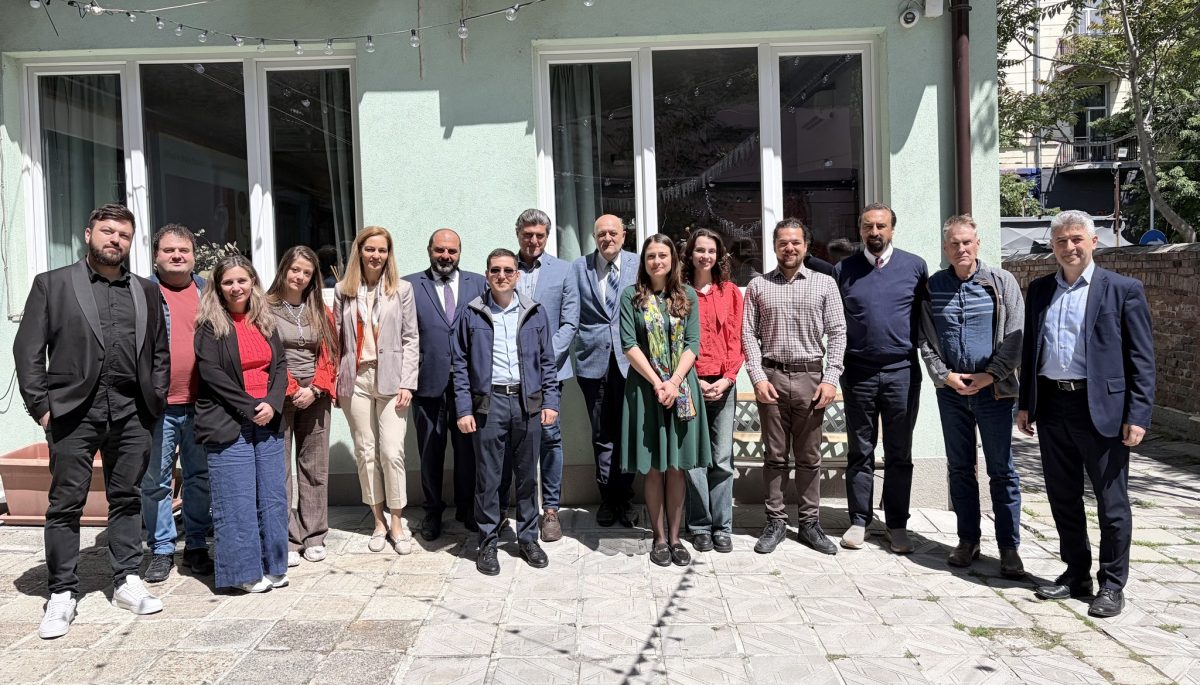
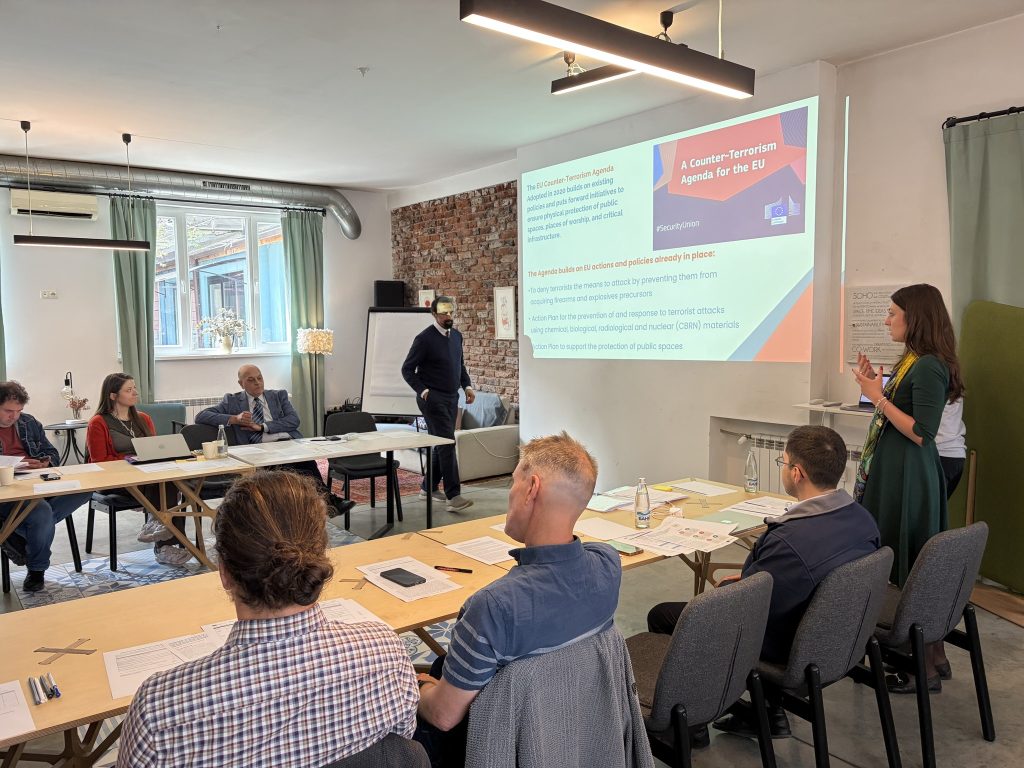
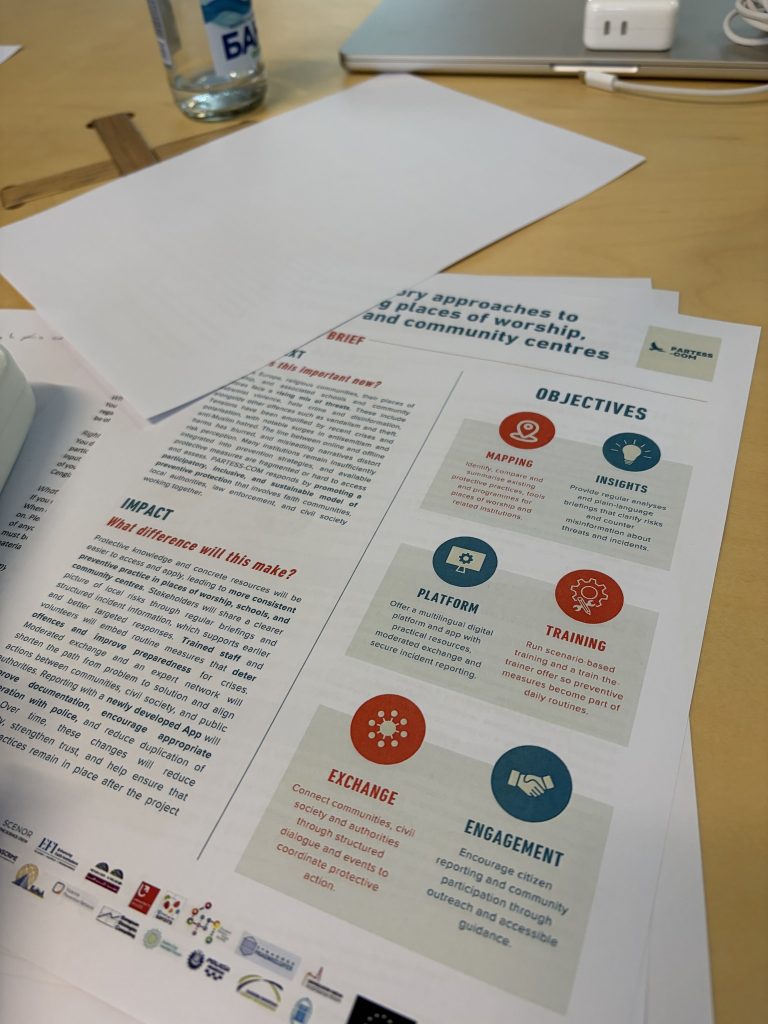
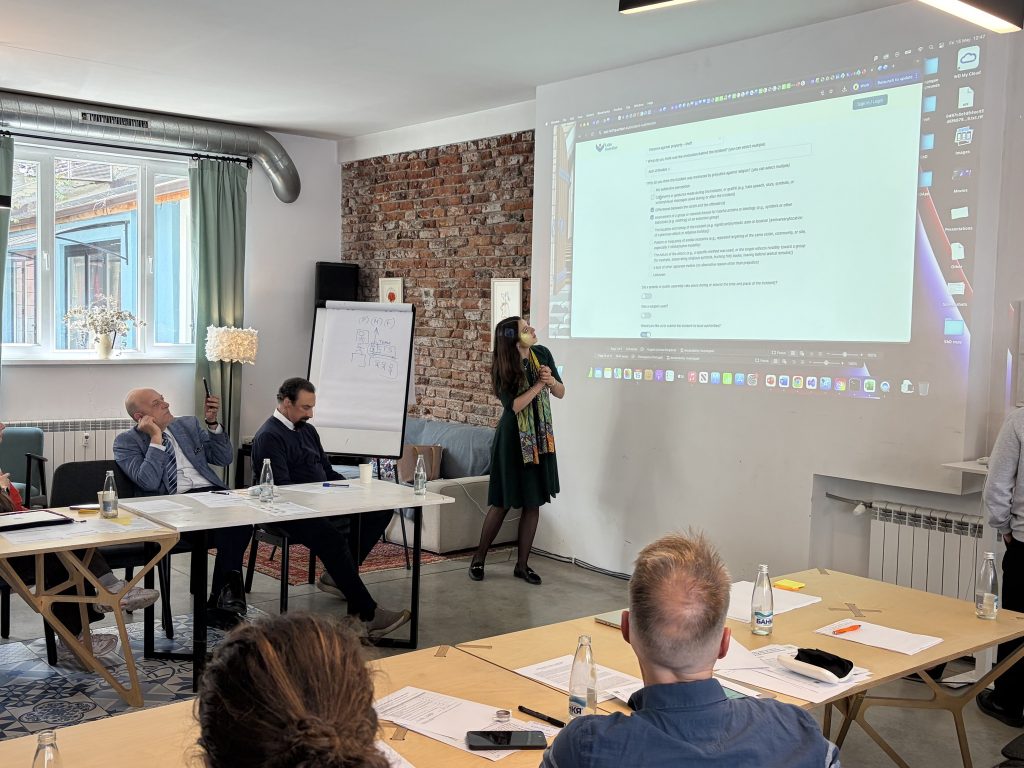
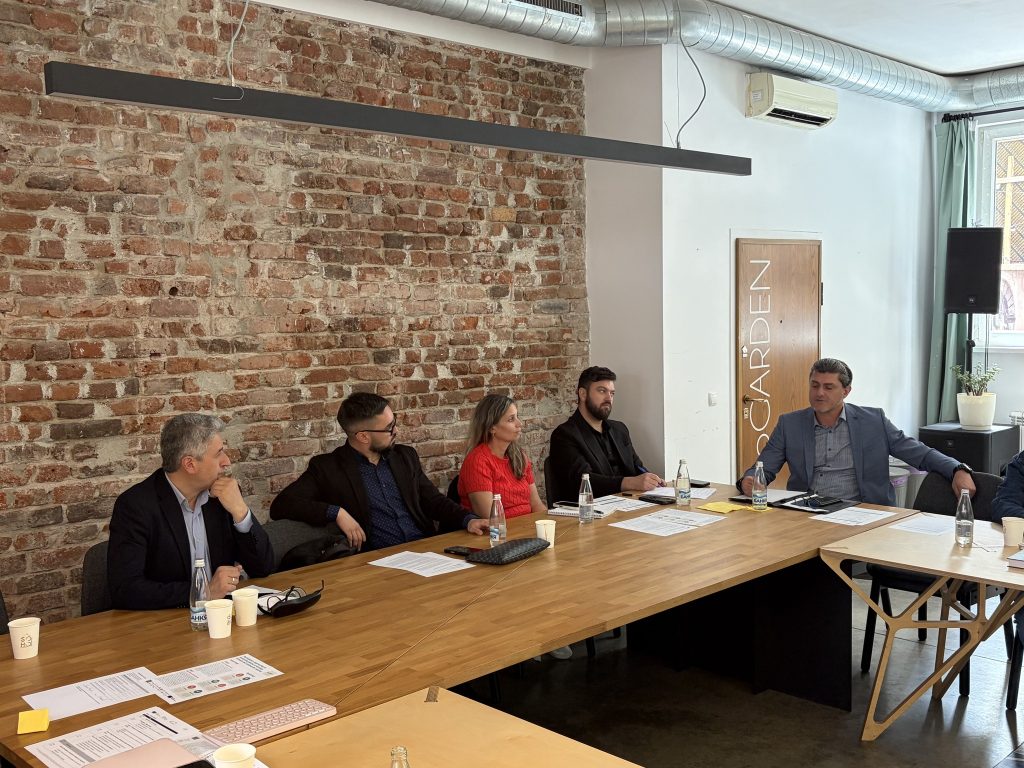
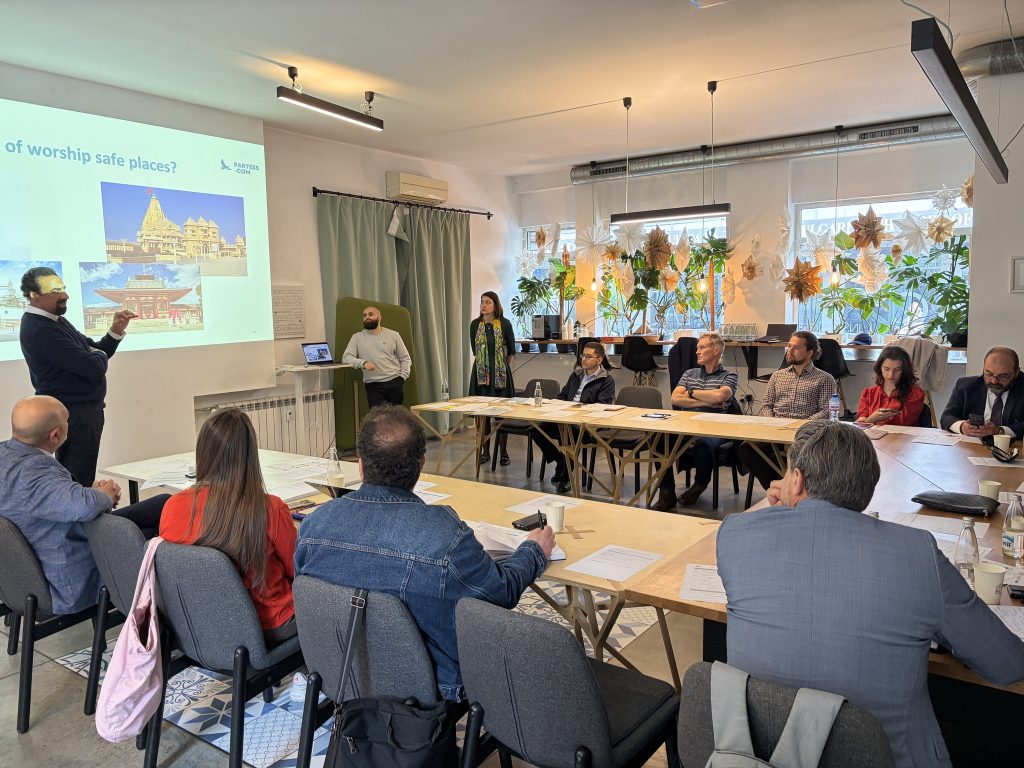
The European Union funded project Partess-com, in which the Euro-Arab Foundation is a research partner of the consortium, facilitated a one-day capacity-building training on May 15 for religious leaders, communities and institutions, civil society, and public entities in Sofia, Bulgaria. The session was led by experts from Enhancing Faith Institutions (EFI) specialised in security and the protection of religious institutions.

Shaukat Warraich, Director at EFI, and Kaashif Awan, Senior Consultant at EFI, alongside with Yoana Barakova from the Center for the Study of Democracy, who brought the Balkan perspective and served as the Bulgarian voice among the trainers, conducted the session attended by 19 participants from Sofia, Plovdiv, Varna, Burgas, and Bratislava.


Content and Objectives


The training offered practical tools and good European practices applicable to institutional work and inter-institutional cooperation. Its primary focus was on prevention and response to security risks facing religious communities and places of worship a topic of growing relevance across Europe.

Throughout the day, participants were introduced to concepts of preventive security and extremism management, approaches to crisis communication, and methods for conducting basic vulnerability assessments of religious sites. Special attention was given to the role of communities and citizens in reporting security-related incidents, as well as to the practical application of available resources. The training also created space for open exchange of experience and proven solutions among participants – something that is, in itself, a form of dialogue.

Additional emphasis was placed on strengthening cooperation between public institutions, religious communities, and civil society – particularly in the areas of extremism prevention and the protection of places of worship. This triangular relationship between the state, religion, and civil society is key to sustainable prevention and to building trust within diverse communities.

Categories
News Projects SHIELDed EN

The Euro-Arab Foundation and the City Council of Granada Reinforce the Protection of Places of Worship against Hate Speech

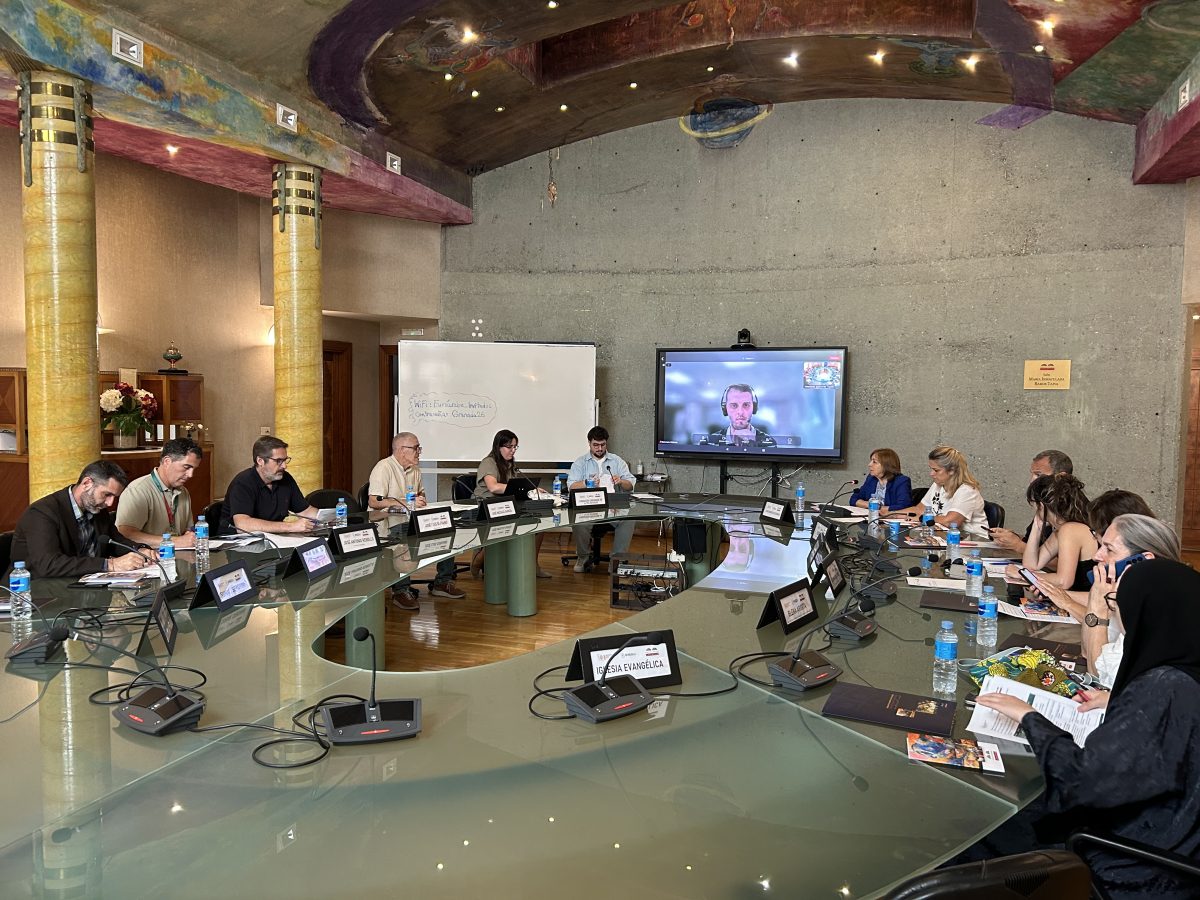
On June 9, the headquarters of the Euro-Arab Foundation for Higher Studies hosted the second meeting of the Local Working Group for the Protection of Places of Worship in Granada. This space for dialogue and intervention is co-directed and coordinated by the City Council of Granada and the Euro-Arab Foundation, within the framework of the European project SHIELDed.

The Working Group was established as one of the fundamental pillars of this European project, serving as a local, cross-sectoral platform for dialogue. Its objective is to provide institutions and religious communities with a sustainable space for exchange with civil society actors, allowing them to identify protection needs and jointly develop security and coexistence measures.

An Integrated Approach: From Physical Threats to the Digital Environment

Through a participatory approach that integrates religious communities, NGOs, public administrations, and State Security Forces, the project seeks to foster greater involvement and social cohesion. The action plan not only addresses protection against physical threats—such as vandalism or attacks on temples and worshipers—but also places a priority focus on preventing hate speech, polarization, misinformation, and social marginalization.

This second session builds on the work initiated during the kickoff meeting in December 2025. On that occasion, members of the Group had already expressed their deep concern over the rise of online hostility. Consequently, the focus of this meeting centered specifically on analyzing online discrimination and xenophobia at the national level, as well as identifying effective mechanisms and channels for reporting them.

Institutional Support and Expert Analysis

The event was opened by Amparo Arrabal, Councilor for Social Policy, Family, Disability, and Seniors, and María Eugenia Luzón Molero, technical director and coordinator of the Religious Diversity Bureau, representing the City Council of Granada. On behalf of the Euro-Arab Foundation, researchers Rascha Albaba and Javier Montilla welcomed the attendees and reviewed the activities and milestones achieved to date.

The core segment of the session was dedicated to strategies for tackling online intolerance. This featured a presentation by Mario Lara Delgado, Head of Section at the Spanish Observatory on Racism and Xenophobia (OBERAXE), under the Ministry of Inclusion, Social Security, and Migration. Lara Delgado detailed the Observatory’s work in monitoring, tracking, and reporting potentially criminal behavior on social media.

Police Cooperation and Reporting Channels

Additionally, representatives from the Security Forces participating in the Group outlined detection methods and action protocols regarding hate crimes. José Luis Soriano (National Police), Benjamín Salas (Civil Guard), and José Antonio Rebollo (Granada Local Police) delivered a joint presentation on the communication and direct reporting channels available to religious communities and the general public.

Conclusion: As the meeting drew to a close, participants agreed that discrimination and hate in the digital environment often serve as a prelude to physical assaults in real life. In this regard, they underscored the urgent need to raise awareness about the importance of reporting any discriminatory behavior and to urge authorities to act firmly against hate attacks.

Categories
News

Euro-Arab Foundation Delivers a Seminar on Human Trafficking Frameworked by the INTERCEPTED Project

On May 28, the Euro-Arab Foundation delivered a seminar on human trafficking for students enrolled in the Master’s Degree in Peace and Cooperation at the University of Granada. The session analysed emerging trends in trafficking within virtual environments, as well as the role of digital tools in prevention and early detection.

During the session, the five strategic pillars of the European project INTERCEPTED were formally presented. First and foremost, this initiative seeks to gain a thorough understanding of how traffickers exploit digital platforms for various forms of exploitation. Additionally, the project focuses on developing advanced technological tools to detect online recruitment and suspicious advertisements at an early stage, while enhancing cooperation between the public and private sectors through the use of open-source intelligence (OSINT).

The project also promotes the creation of a unified European mechanism for reporting suspicious cyber activities related to this crime, while simultaneously strengthening the digital competencies and technical expertise of law enforcement agencies across the continent.

Categories
News Projects VANGUARD

University of Granada Master’s Students Engage with VANGUARD Project Through “Red Flags” Awareness Game

On 28 May, the Euro-Arab Foundation’s researcher, Karen Latricia Hough, in collaboration with Marina Garcia Carmona (UGR) delivered a seminar for students enrolled in the Master’s Programme in Peace and Cooperation entitled “From Coercion to VANGUARD: Advanced Technological and Societal Solutions to Disrupt Trafficking in Human Beings” at the University if Granada.

The seminar presented the VANGUARD project, its methodologies, and its anticipated impact in addressing trafficking in human beings (THB). The session actively engaged students and other stakeholders present, in reflection and discussion on the challenges posed by THB and the role of innovation in prevention and detection.

The seminar introduced the multidisciplinary approach of the VANGUARD project in combating THB and demonstrated how trustworthy artificial intelligence could support the detection and prevention of online-facilitated trafficking activities, including those occurring at border checkpoints. Participants also explored the societal, ethical, and behavioural dimensions of THB, while being encouraged to think critically about their own role in prevention and responsible engagement.

A particularly innovative aspect of the seminar was the presentation of awareness-raising tools developed within the project, including the serious game Red Flags.

The game, created entirely from the innovative research conducted within the VANGUARD project with survivors of THB, frontline practitioners, policy makers and perpetrators, provided students with an interactive opportunity to engage with the subject matter. During the session, students tested the game’s usability, played through its scenarios, and provided valuable feedback and recommendations. Their participation represented an important contribution to the ongoing development and refinement of the project’s educational and awareness-raising activities.

Categories
News Projects VANGUARD

The Euro-Arab Presents the VANGUARD Project to Guardia Civil Anti-Trafficking Unit at Madrid

On 22 May 2026, the Euro-Arab Foundation researcher, Karen Latricia Hough, alongside Despoina Chatzakou and Theoni Spath from CERTH, Roberto Acquaviva (ENG) and Sara Diez and Jiang Zhicheng (Bull), delivered an online presentation of the Horizon Europe VANGUARD Project to the Anti-Trafficking Unit of the Guardia Civil at Madrid Headquarters.

The session showcased the project’s innovative approach to combating trafficking in human beings through the integration of advanced AI-supported technologies, operational intelligence tools, and multidisciplinary social-scientific research. The presentation highlighted how the VANGUARD project is developing ethical, human-centred, and technologically advanced solutions to strengthen the prevention, detection, and investigation of trafficking networks across Europe.

Key social-scientific findings emerging from the project’s ongoing research activities were presented, including insights into evolving trafficking patterns, victim protection considerations, and policy recommendations aimed at enhancing operational responses and cross-border cooperation among law-enforcement and security stakeholders. Researchers also conducted an online demonstration of the VANGUARD ToolSuite, presenting capabilities designed to support law-enforcement authorities in identifying trafficking activities, analysing complex criminal networks, and improving intelligence-led investigations.

Funded under the European Union’s Horizon Europe Programme, the VANGUARD Project brings together leading research organisations, technology providers, and security stakeholders to advance innovative, ethical, and collaborative solutions against trafficking in human beings.

The Euro-Arab Foundation is part of the consortium of this project, which began in 2023 and is scheduled to conclude in December of this year, 2026.

Categories
News Projects victory

Seminar on Restaurative Justice and Victims of Hatred and Extremism in the Basque Country

Last Tuesday, May 19, the Historical Archive of the Basque Country—home to the Gogora Institute for Memory in Bilbao—hosted the seminar “Victim-Centered Justice and Contribution to Coexistence in the Basque Country: Experiences from the VicTory Project.” The event, organised by the Ararteko (the Ombudsman of the Basque Country) alongside the Euro-Arab Foundation for Higher Studies, was held within the framework of the VicTory project, funded by the European Commission and coordinated by the Euro-Arab Foundation.

The gathering was designed as a space for dialogue on a model of justice that goes beyond resolving conflicts by simply applying the law, focusing instead on active listening to victims, offenders, and the community. Similarly, participants—including institutional representatives, experts, and young people—reflected on how to build a coexistence sustained by justice, recognition, and humanity in the Basque Country, highlighting the intergenerational dimension and the commitment to a more inclusive society.

The VicTory project is committed to putting victims at the center, preventing secondary victimization, and promoting models of dialogue and reparation for harm. This seminar highlighted the value of restorative justice as a key tool for healing social wounds.

This project provides both justice professionals and NGO victim support workers with factsheets that reflect lessons learned and a series of recommendations.

Download them here:

Categories
News

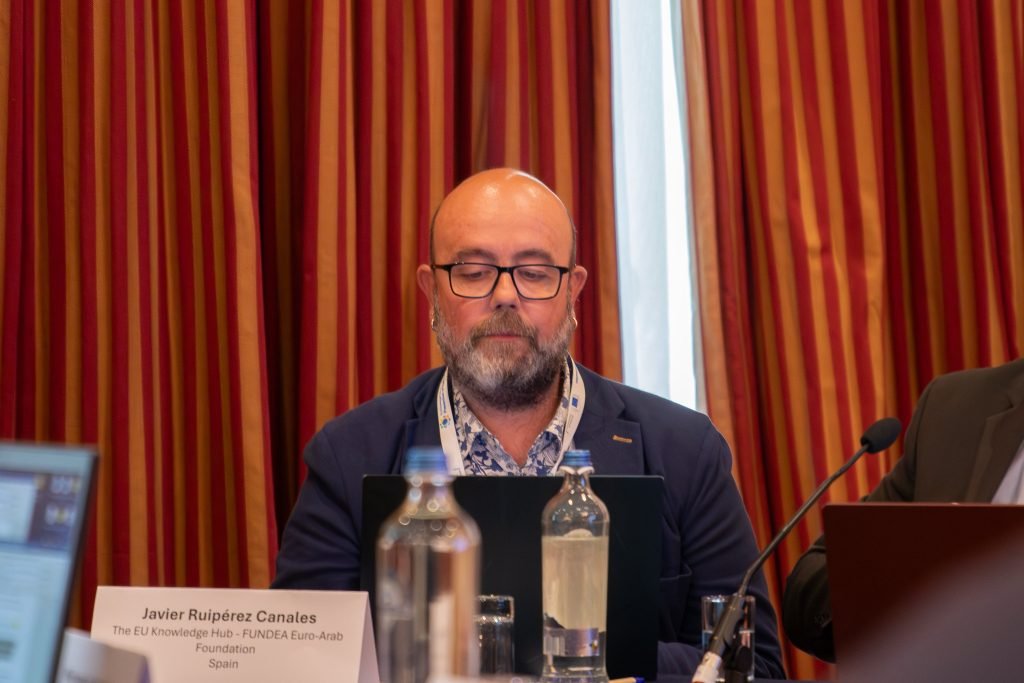
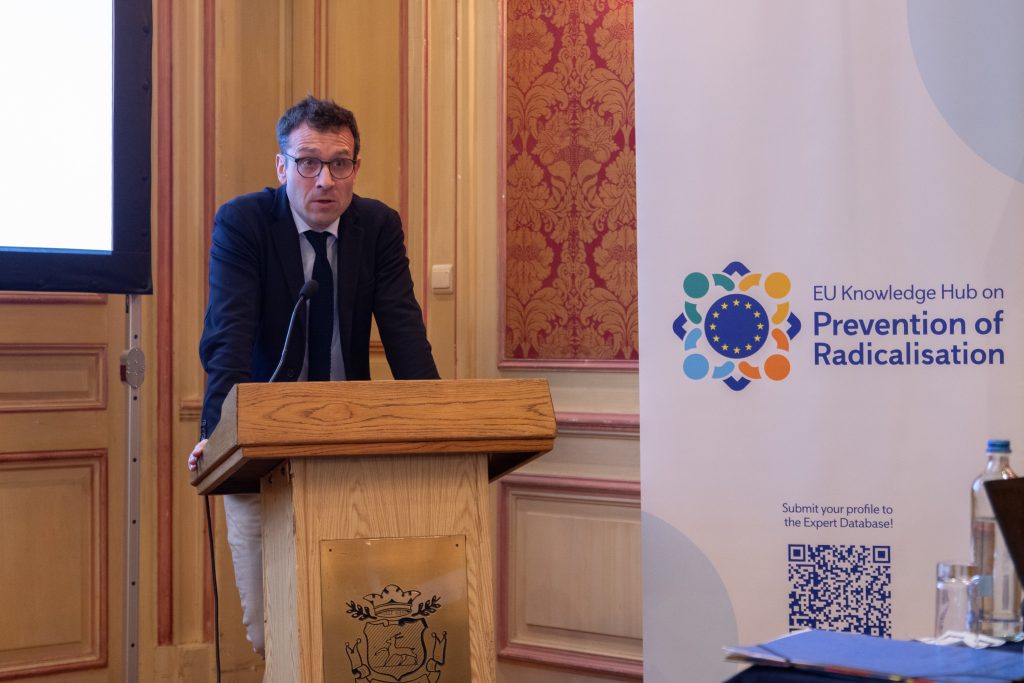
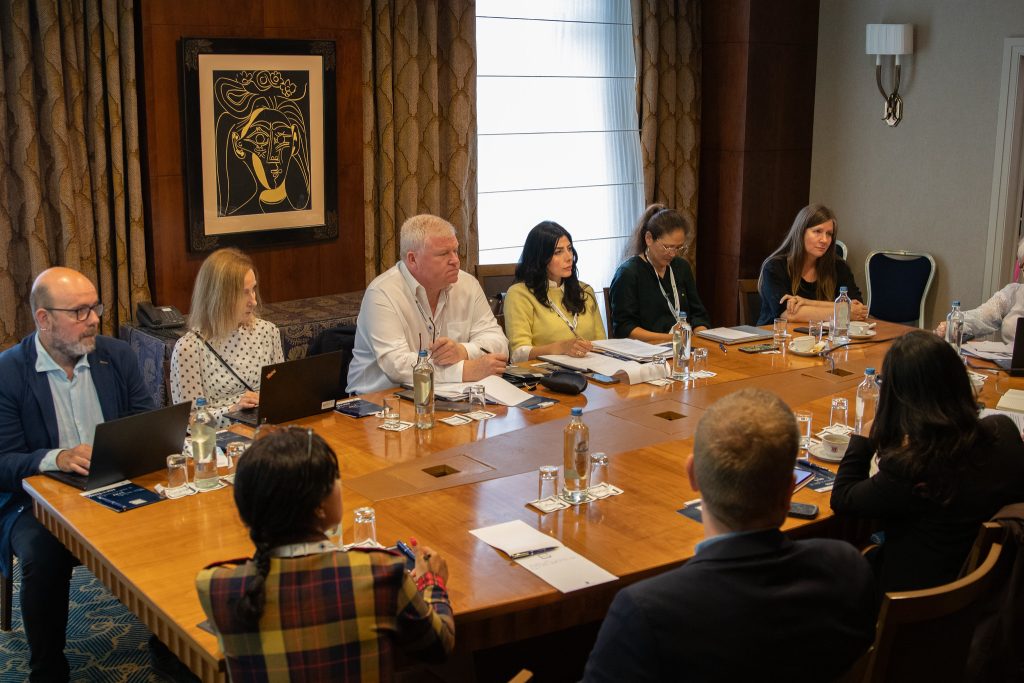
Workshop on the Role of Gender Perspective in Online Radicalisation and Social Reintegration

Within the framework of the European EU Mutual Job Shadowing program and in collaboration with the EU Knowledge Hub on Prevention of Radicalisation, the Euro-Arab Foundation has hosted a key technical workshop titled “Gendered Pathways from online radicalisation to custodial disengagement and reintegration.”

The event featured presentations by Dr. Chafiaa Djouadi, from the French organisation Militants des Savoirs, and Mr. Salvador Berdún, a Spanish expert in the field and head of ACAIP Research Department. Both specialists shed light on the crucial need to integrate a gender perspective into all scientific and operational research focusing on online radicalisation processes, prison stays, disengagement, and the subsequent reintegration of individuals.

Gender as a Central Axis of Radicalisation

During the session, it was emphasised that the gender perspective should not be viewed as a peripheral issue, but rather as the very core of current radicalisation dynamics, spanning from jihadism and the far-right to the incel phenomenon. According to the experts, radicalised women often operate as recruiters, facilitators, or ideological support within these networks, though frequently under dynamics of subordination to men, a factor that requires meticulous analysis to formulate effective responses.

Furthermore, the speakers agreed that psychological care and guidance during the disengagement process, which necessarily begins within the correctional environment, must have guaranteed continuity outside of prison. This transition is essential to ensuring a real, effective, and long-term social reintegration.

By hosting this technical seminar, the organizing institutions reaffirm their commitment to advancing public safety and evidence-based social intervention, placing the gender perspective as a priority axis in the design of policies for preventing violent radicalisation (PVE/CVE).

Categories
Intercepted News Projects

Third Steering Committee Meeting of the European Project INTERCEPTED

The INTERCEPTED consortium held its  third Steering Committee meeting last week alongside its synergistic initiative, OSINT RADAR.

The meeting marked an operational turning point, with the Venice Local Police taking over as the new general coordinator for both projects (INTERCEPTED and OSINT RADAR). This unified leadership ensures long-term strategic integration, transforming planning into immediate and sustainable operational actions..

The technical teams presented deliverables of strategic value, notably comprehensive analysis reports, methodologies for operational meetings, and an innovative technological roadmap designed for detecting digital crimes. Concurrently, specialized training sessions aimed at various stakeholders, such as police officers, judicial practitioners and stakeholders from the private sector (labour inspectors, welfare agencies, CSOs supporting victims, internet hosting providers) are being implemented , focusing on mastering these new digital investigation tools and platforms to tackle traffic in human beings (THB). These training activities will subsequently be followed by live prototyping sessions and the establishment of interagency teams across the participating countries.

The INTERCEPTED project maintains its steadfast goal of disrupting THB digital business models by intercepting online recruitment and advertisement on internet platforms. These objectives will be achieved by strengthening digital intelligence  as well as cross-border and multi-agency cooperation among law enforcement agencies, judicial practitioners and private-sector actors.

As the project enters its final phase, new awareness-raising and dissemination campaigns will soon be launched to showcase  these advancements before the project formally concludes in December 2026.

Categories
News Projects SHIELDed EN

SHIELDed: First Consortium Meeting and Transnational Event

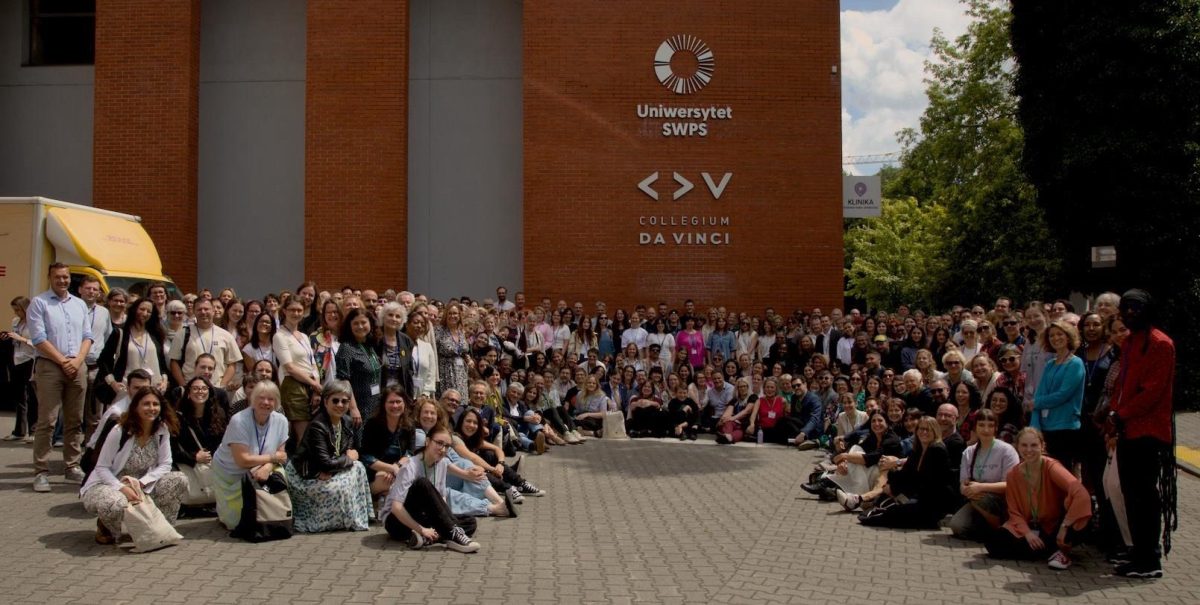
The Euro-Arab Foundation participated in the first in-person consortium meeting and transnational event of the SHIELDed project, which took place in Berlin from May 11 to 13.

After completing its first year of development, the SHIELDed project has reached strategic milestones that were analyzed during the two days of work. Among the most notable achievements is the launch of eight Local Councils for the Protection of Places of Worship distributed across Europe, a key initiative for the local implementation of security measures. Within this framework, Euro-Arab Foundation researcher Rascha Albaba presented the progress of the work package led by the Foundation: the development of current threat and risk assessments in places of worship. The session generated an intense debate on the methodologies and actions needed to ensure that these tools are truly effective for protecting community and religious spaces.

A Multi-Agency Approach for Holistic Security

The SHIELDed transnational event took place on May 13, bringing together various relevant stakeholders interested in protecting these spaces, including representatives from a wide plurality of faiths across the continent, researchers, law enforcement agencies, and public administration representatives. This multi-agency approach aims to foster a cross-cutting social commitment to achieve a holistic vision of security. During the event, Foundation researcher Javier Montilla delivered a presentation on current extremist threats affecting places of worship in Europe, analyzing the global risk context.

With the conclusion of these sessions in Berlin, the SHIELDed consortium reaffirms its commitment to continue implementing effective measures that guarantee coexistence and security in places of worship, firmly backing dialogue as a tool against exclusion.

Categories
News Projects SHIELDed EN

The Euro-Arab Foundation and the Madrid Municipal Police organise the National SHIELDed Workshop

On April 27, the National Workshop of the SHIELDed project took place at the Headquarters of the Madrid Municipal Police, during a session jointly organised by the Euro-Arab Foundation and the city’s Municipal Police.

The meeting brought together around 25 participants from law enforcement agencies, mainly the Madrid Municipal Police and the Guardia Civil, religious communities, the Public Prosecutor’s Office, public administrations, and civil society organisations based in Madrid and operating nationwide.

During the session, participants analysed the main risks, vulnerabilities, and challenges related to the protection of places of worship and other religious spaces in Spain. The workshop also served to promote interfaith dialogue, multisectoral cooperation, and the development of coordinated responses to hate crimes and extremist threats.

The program included specialised presentations, participatory working groups, and a solutions lab focused on developing communication protocols and action plans aimed at strengthening prevention, protection, and response capacity in the event of possible incidents.

SHIELDed is a European project focused on the protection of places of worship and religious sites against extremist threats, hate-motivated attacks, and other security risks. The initiative promotes a comprehensive approach based on cooperation between public authorities, law enforcement agencies, religious communities, and civil society, fostering prevention, training, and coordination tools to strengthen the resilience and security of these spaces in Europe.

The SHIELDed national workshops are spaces for collaboration and joint work promoted in different European countries with the aim of bringing together key stakeholders to identify common challenges, share best practices, and design coordinated strategies for the protection of places of worship and the prevention of hate crimes and violent extremism.